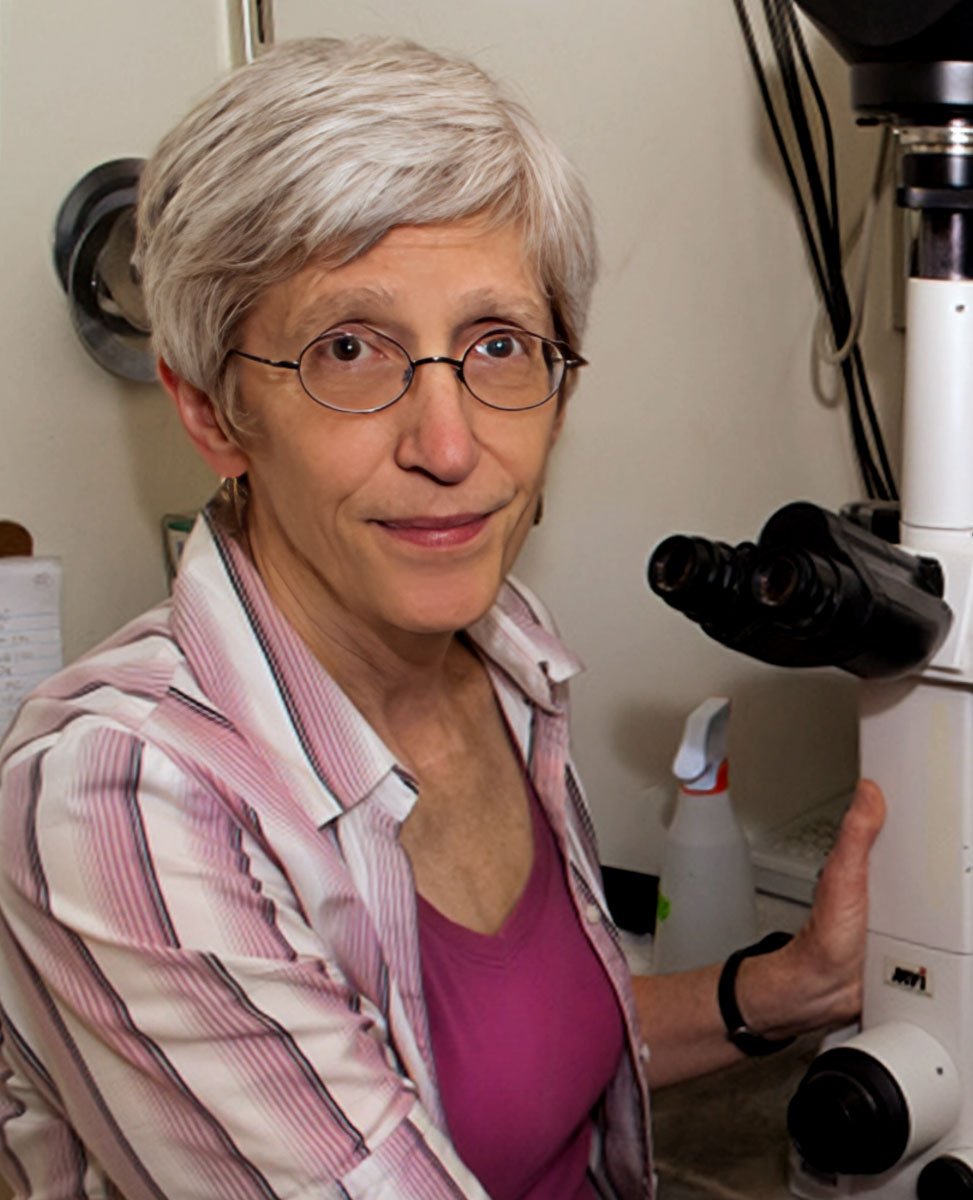
Betty Sue Eipper
Betty Sue Eipper discovered and characterized peptidylglycine α-amidating monooxygenase, the enzyme responsible for C-terminal amidation of neuropeptides. This modification, found in approximately half of all bioactive peptides, is essential for receptor recognition and signal transduction, making PAM a central player in neuropeptide biosynthesis.
Working at the Johns Hopkins University School of Medicine, Eipper identified PAM as a copper- and ascorbate-dependent enzyme located in secretory granules of neural and endocrine tissues. Her biochemical characterization revealed that PAM is a bifunctional enzyme containing two sequential catalytic domains: peptidylglycine α-hydroxylating monooxygenase, PHM, which hydroxylates glycine-extended peptide substrates, and peptidyl-α-hydroxyglycine α-amidating lyase, PAL, which cleaves the hydroxyglycine to release glyoxylate and the α-amidated product.
Eipper's molecular studies demonstrated that tissue-specific alternative splicing generates membrane-bound and soluble forms of PAM, with differential inclusion of domains that govern intracellular routing and proteolytic processing. Her work showed that PAM activity can be rate-limiting for neuropeptide production, suggesting regulatory significance beyond simple catalysis.
Studies extending from AtT-20 corticotrope cells to primary pituitary cultures revealed how PAM expression responds to physiological stimuli including seizure activity and thyroid hormone. Eipper collaborated closely with Richard E. Mains throughout her career; together they established the Neuropeptide Laboratory, first at Johns Hopkins and later at the University of Connecticut Health Center, training dozens of scientists in peptide biosynthesis. Her 1992 Annual Review of Neuroscience article on peptide α-amidation became a definitive reference for the field.