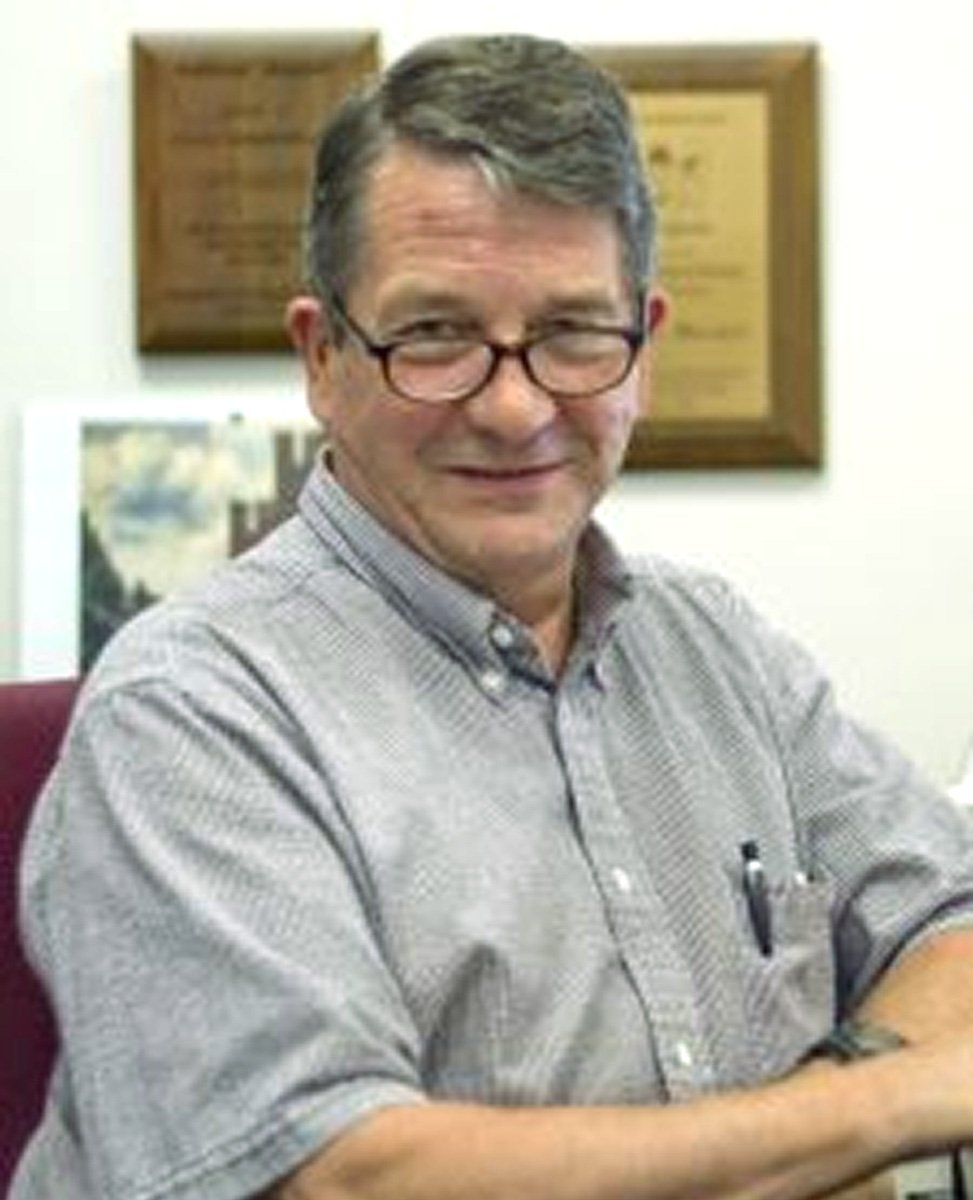
Garland R. Marshall
Garland R. Marshall is Professor of Biochemistry and Molecular Biophysics and of Biomedical Engineering at Washington University School of Medicine in St. Louis, where he has served on the faculty since 1966.
Born and raised in Texas, Marshall graduated from Rusk High School in 1958 and attended the California Institute of Technology on a National Merit Scholarship, earning a B.S. in Biology in 1962. He then became the first graduate student of R. Bruce Merrifield at Rockefeller University, working on the early development of solid-phase peptide chemistry. Merrifield would later receive the 1984 Nobel Prize in Chemistry for this revolutionary synthesis method.
Upon joining Washington University as an Instructor in Physiology and Biophysics, Marshall constructed the second automated peptide synthesizer ever built; the first remains on display at the Smithsonian Institution. He taught endocrine physiology to medical students until 1985, when he became Professor of Molecular Biology and Pharmacology. In 2000, he moved to the Department of Biochemistry and Molecular Biophysics, focusing on graduate education in molecular modeling and computational biology. Throughout his career, Marshall has been deeply involved in graduate training through the Medical Scientist Training Program and numerous advisory committees.
Marshall has long been active in the American Peptide Society and its predecessor symposia, serving as Chair of the 10th American Peptide Symposium in 1987 at Washington University and editing its proceedings volume, Peptides: Chemistry and Biology.
His research centers on molecular recognition, drug design, peptidomimetics, and computational approaches to understanding protein structure. These contributions have earned him the field's highest honors, including the American Peptide Society's R. Bruce Merrifield Award in 2001, recognizing lifetime achievement in peptide science. He has also received the Vincent du Vigneaud Award and the Cathay Award from the Chinese Peptide Society, and was selected for the inaugural ACS Medicinal Chemistry Hall of Fame.