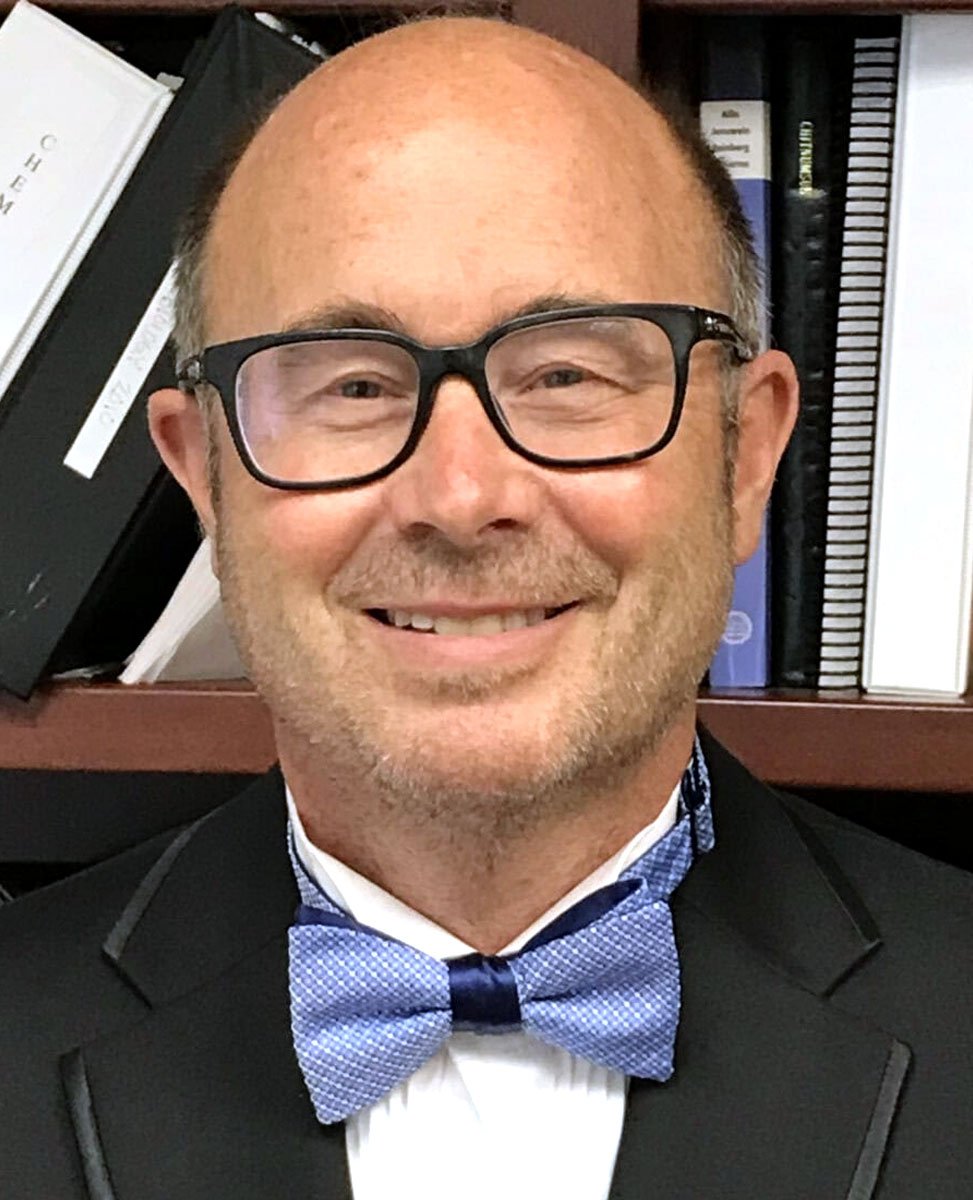
Jeffery W. Kelly
Professor Jeffery W. Kelly transformed our understanding of protein misfolding diseases and translated that knowledge into the first approved drug targeting transthyretin amyloidosis. His work established the paradigm of kinetic stabilization as a therapeutic strategy for diseases caused by protein aggregation.
Kelly received his Ph.D. in organic chemistry from the University of North Carolina at Chapel Hill in 1986 and completed postdoctoral training at The Rockefeller University. He joined Scripps Research in 1989 and now serves as the Lita Annenberg Hazen Professor of Chemistry and co-Chairman of Molecular Medicine. He also served as Dean of Graduate Studies and Vice President of Academic Affairs.
Kelly's laboratory discovered that transthyretin amyloidogenesis begins when the native tetramer dissociates, allowing individual monomers to misfold and aggregate into toxic species. This mechanistic insight suggested a therapeutic strategy: small molecules that bind the tetramer and prevent its dissociation should halt disease progression.
Using structure-based drug design, Kelly developed tafamidis, a benzoxazole that occupies the thyroxine-binding sites of transthyretin and bridges the weak seam holding the tetramer together. Clinical trials demonstrated that tafamidis halts progression of familial amyloid polyneuropathy and reduces mortality in transthyretin amyloid cardiomyopathy. Approved as Vyndaqel and Vyndamax, it became the first drug for transthyretin amyloidosis and the first approved therapy targeting protein aggregation in any amyloid disease.
Kelly co-founded FoldRx Pharmaceuticals and Proteostasis Therapeutics. His honors include the ACS Award for Creative Work in Organic Synthesis, the Stein and Moore Award from the Protein Society, the Edward E. Smissman Award and the Ronald Breslow Award for Achievement in Biomimetic Chemistry.