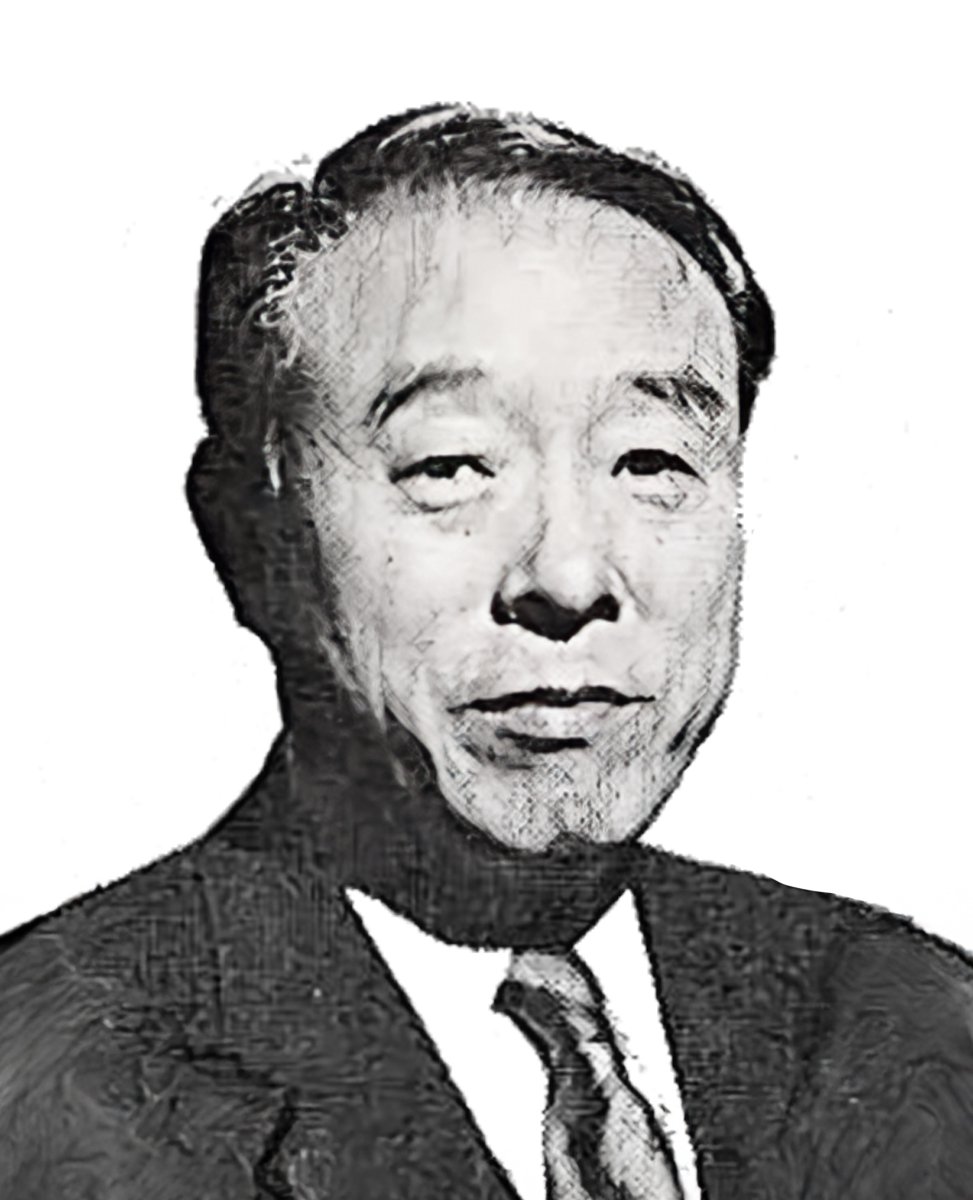
Shumpei Sakakibara
Shumpei Sakakibara was a pioneering peptide chemist whose methodological innovations transformed the field of peptide synthesis. He spent most of his career at Osaka University's Institute for Protein Research and later led the Protein Research Foundation and Peptide Institute, Inc. in Minoh-shi, Osaka.
Sakakibara began his peptide chemistry career in the laboratory of Shiro Akabori at Osaka University, contributing to foundational work on protecting group strategies in the early 1960s. His most influential contribution came in 1967 when he and colleagues introduced the use of anhydrous hydrogen fluoride for the removal of protecting groups in peptide synthesis. This HF cleavage method became the standard final deprotection step in Boc-chemistry solid-phase peptide synthesis and remains in use today. Peptide Institute Inc. continues to manufacture the HF cleavage apparatus he designed.
Building on this methodology, Sakakibara developed the "maximum protection strategy" for solution-phase segment condensation, enabling the synthesis of large, complex peptides and small proteins. His laboratory achieved landmark total syntheses of human parathyroid hormone, 84 residues, human angiogenin, 123 residues, midkine, 121 residues, pleiotrophin, 136 residues, and in 1998, the 238-residue precursor of Aequorea green fluorescent protein.
Sakakibara was instrumental in building the Japanese peptide research community. He served as the first President of the Japanese Peptide Society and co-chaired the 1st Japan Symposium on Peptide Chemistry in 1987 with Tetsuo Shiba. He also chaired the 20th Symposium on Peptide Chemistry in 1982.
In recognition of his lifetime contributions to peptide science, Sakakibara received the R. Bruce Merrifield Award from the American Peptide Society in 1997.