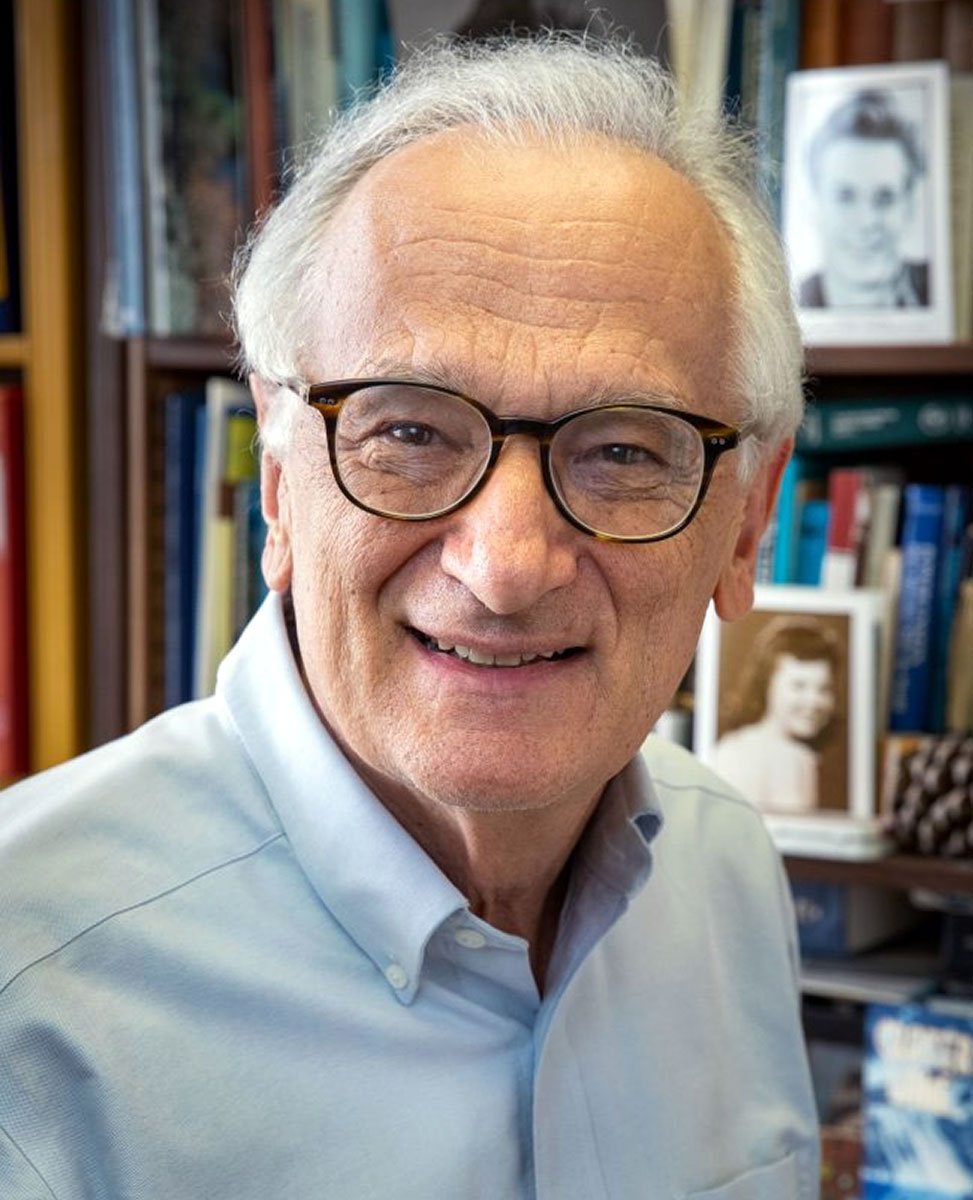
Steven G. Clarke
Dr. Steven G. Clarke is a distinguished biochemist whose discoveries of novel protein methyltransferases have illuminated fundamental mechanisms of aging, molecular damage recognition and repair, and cellular signaling. His identification of the protein L-isoaspartyl repair methyltransferase revealed that enzymatic recognition of molecular damage extends beyond DNA to include proteins, establishing a new paradigm for understanding how cells cope with the spontaneous chemical deterioration that accompanies aging.
Clarke was born on November 19, 1949, in Los Angeles and attended public schools in Altadena and Pasadena, California. He did his undergraduate work at Pomona College in Claremont, majoring in chemistry and zoology and graduating in 1970. During his undergraduate years he conducted research at the UCLA Brain Research Institute. Before graduate school he worked briefly with Peter Mitchell at Glynn Research Laboratories in Bodmin, England, studying mitochondrial amino acid transport. He earned his Ph.D. in biochemistry and molecular biology from Harvard University in 1976 as an NSF Fellow, working with Guido Guidotti on membrane protein–detergent interactions and identifying major rat liver mitochondrial polypeptides as enzymes of the urea cycle. He returned to California for postdoctoral work as a Miller Fellow at the University of California, Berkeley, with Daniel E. Koshland Jr., where he identified membrane receptors for bacterial chemotaxis and studied the role of protein glutamate methylation in this process. He joined the UCLA faculty in 1978.
In 1982 Clarke and his student Philip McFadden discovered the first example of a protein repair methyltransferase. Two amino acid residues, asparaginyl and aspartyl, can react spontaneously with the protein backbone over time, generating abnormal L-isoaspartyl residues that kink the polypeptide chain and can render proteins nonfunctional. Clarke showed that a widely conserved methyltransferase recognizes these damaged residues and initiates their conversion back to normal L-aspartyl residues. The methylation reaction produces an unstable succinimide intermediate that hydrolyzes to regenerate the normal peptide bond, effectively repairing the age-damaged protein. This enzyme, protein L-isoaspartyl O-methyltransferase, is present in organisms from bacteria to mammals and plants. Deletion of the gene encoding this repair methyltransferase affects lifespan in Caenorhabditis elegans, Drosophila and mice, demonstrating its fundamental role in counteracting molecular aging. Mice lacking the enzyme accumulate damaged proteins, exhibit growth retardation and die from fatal seizures at an early age.
Clarke's laboratory went on to show that enzymatic recognition of molecular damage is not limited to proteins but represents a general cellular response to damage of crucial metabolites including cis-aconitate and S-adenosylmethionine. His group has pioneered bioinformatic approaches to identify candidate methyltransferases from genomic data, revealing that over 60 percent of known methyltransferases in Saccharomyces cerevisiae methylate components of the translational apparatus, including elongation factors, release factors, messenger RNA, transfer RNA, ribosomal RNA and ribosomal proteins.
In collaboration with other laboratories, Clarke and his students identified the C-terminal isoprenylcysteine carboxyl methyltransferase, an enzyme that modifies signaling proteins such as Ras and Rho by methylating isoprenylated cysteine residues at their C-termini. Since hyperactive signaling through Ras proteins drives many forms of cancer, this methyltransferase has become a target for anticancer drug development. His laboratory also discovered the protein phosphatase 2A methyltransferase and identified the first member of the protein arginine methyltransferase family, enzymes now known to be involved in multiple cellular processes including DNA repair, gene expression, protein translocation and signaling. His group has characterized all nine human protein arginine methyltransferases, showing that PRMT7 is the only family member that produces monomethyl arginine and has specific sequence preferences for RXR motifs.
Clarke has been a visiting scholar at Princeton University, the University of Washington and Vanderbilt University. Since 1988 he has served as director of UCLA's Cellular and Molecular Biology Training Program, which prepares doctoral students in genomics, proteomics, systems biology, quantitative and structural biology, stem cell biology and bioinformatics. From 2012 to 2017 he held the Elizabeth R. and Thomas E. Plott Chair in Gerontology at UCLA.
His achievements have been recognized by numerous awards including the Wilson Prize in Chemistry from Pomona College, an Alfred P. Sloan Research Fellowship in Chemistry, the Ralph F. Hirschmann Award in Peptide Chemistry from the American Chemical Society in 1994, a MERIT Award from the National Institutes of Health, a Senior Scholar Award in Aging from the Ellison Medical Foundation, and the William C. Rose Award in Biochemistry from the American Society for Biochemistry and Molecular Biology in 2018. He was selected as the 107th Faculty Research Lecturer at UCLA and received the UCLA Academic Senate Distinguished Teaching Award, including the Eby Award for the Art of Teaching. In 2012 he was inducted into the John Muir High School Alumni Hall of Fame in Science and Medicine, and in 2020 he received Pomona College's Blaisdell Distinguished Alumni Award. He is currently a UCLA Distinguished Professor of Chemistry and Biochemistry and Director of the UCLA Molecular Biology Institute.