Global Peptide Groups - The van der Donk Group
In 1928, researchers discovered that a substance from Lactococcus lactis could kill neighboring bacteria. They called it nisin. Nearly a century later, it remains one of nature's most effective food preservatives—and remarkably, bacteria have barely learned to resist it. That staying power hints at something profound about how these molecules work, and it captures what draws the van der Donk laboratory to ribosomally synthesized and post-translationally modified peptides, better known as RiPPs.
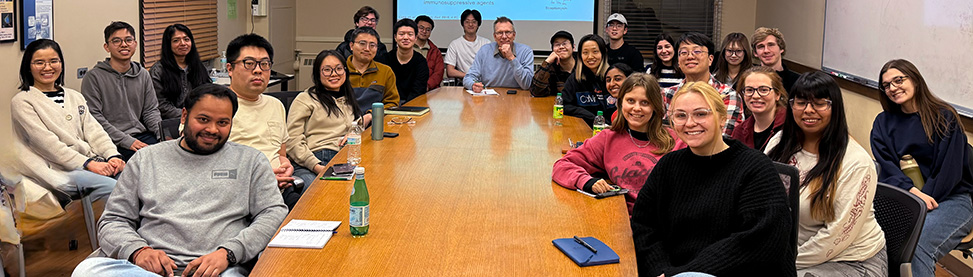
Established in 1997, the van der Donk group operates at the intersection of chemical biology, enzymology, and natural product discovery. The driving question: how do biosynthetic enzymes install complex crosslinks and functional groups with such exquisite control? By answering that question at atomic resolution, the team aims to discover—and ultimately engineer—molecules with real therapeutic impact.
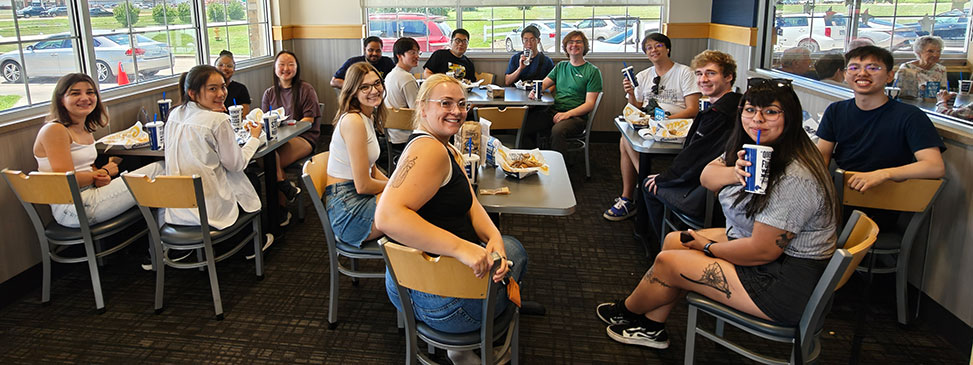
The Vanderlanders
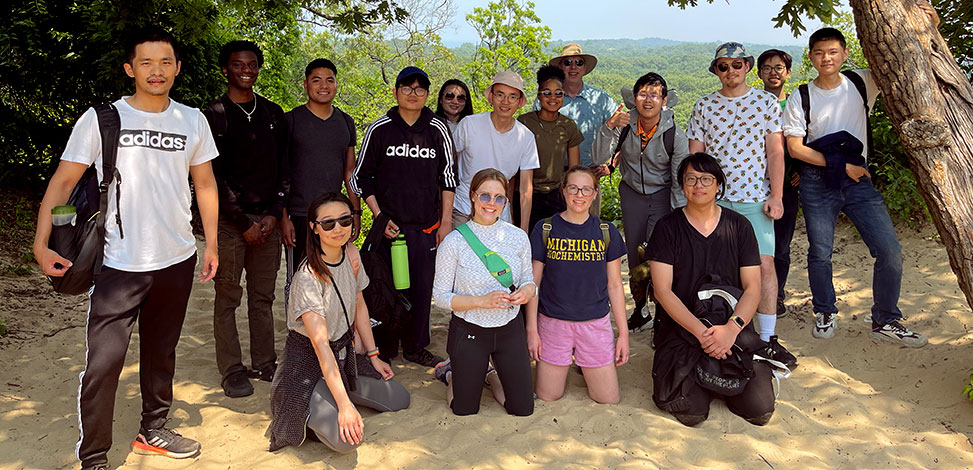
The current team—affectionately known as the "Vanderlanders"—comprises approximately eight postdoctoral researchers, fifteen graduate students, and six undergraduates drawn from across the United States and around the world. The group's collaborative culture reflects van der Donk's mentoring philosophy: exposure to the full landscape of scientific careers, ownership of rigorous projects, and clear communication. As van der Donk puts it: "Mentoring is a team sport."
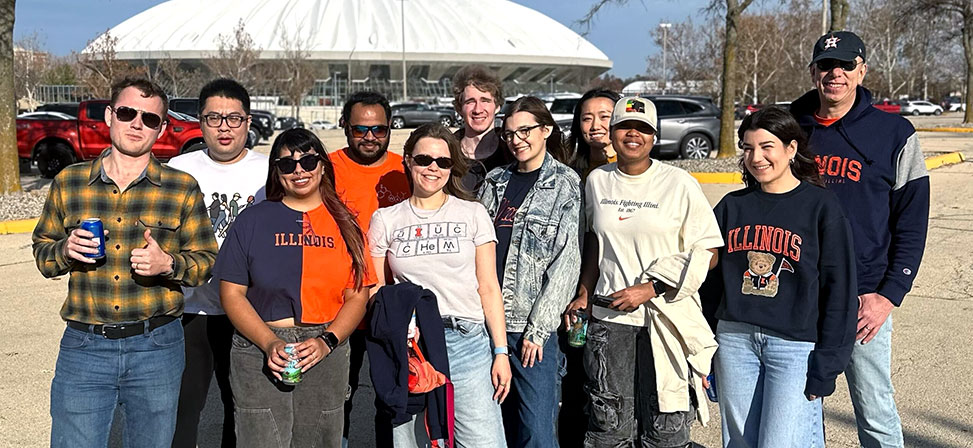
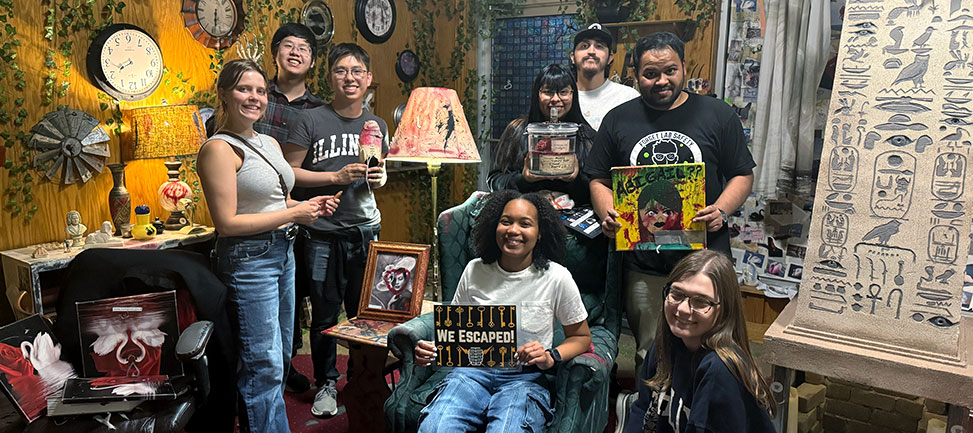
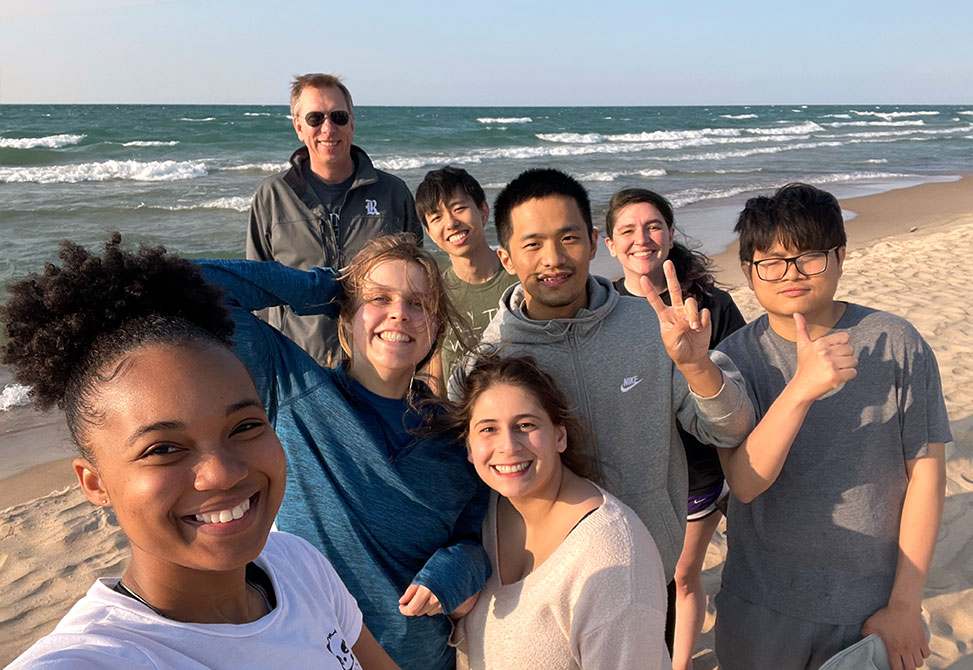
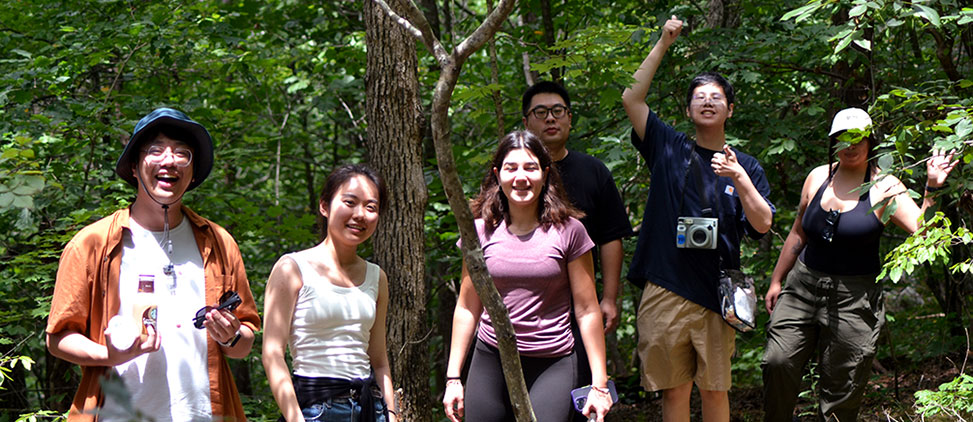
Beyond the bench, the Vanderlanders bond over Illini football games, hikes at the Indiana Dunes, and celebrations of scientific milestones large and small. The lab operates on principles of creativity, honesty, and open communication—values that drive both problem-solving and personal growth.
The Science of Enzymatic Precision
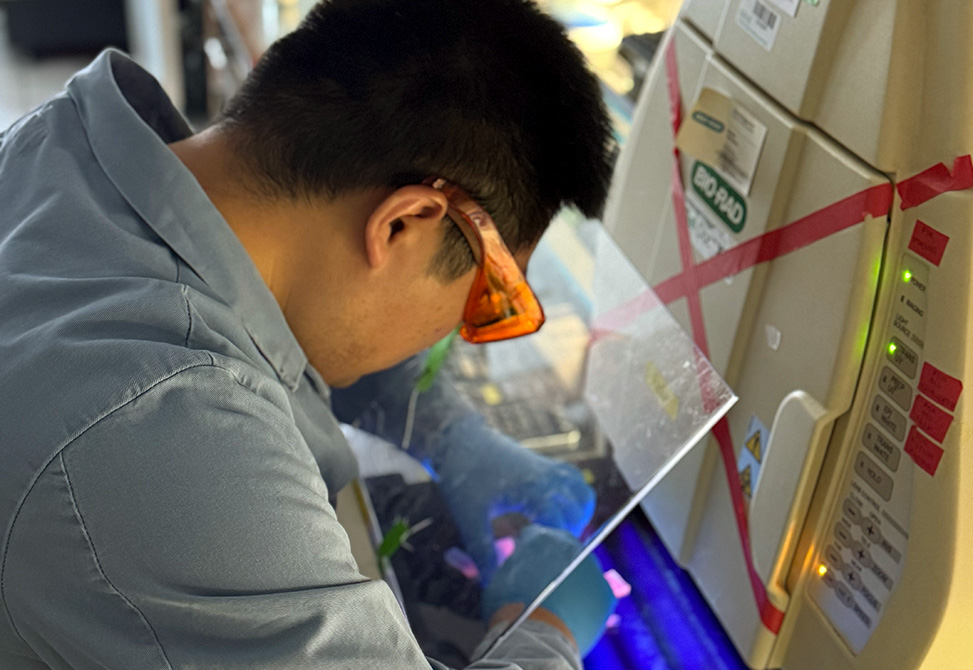
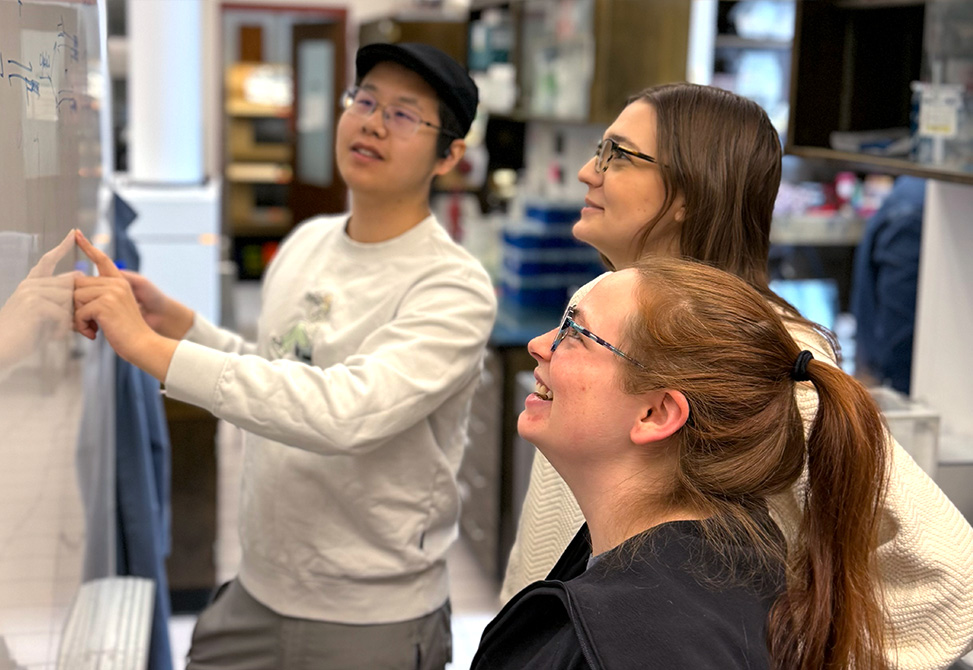
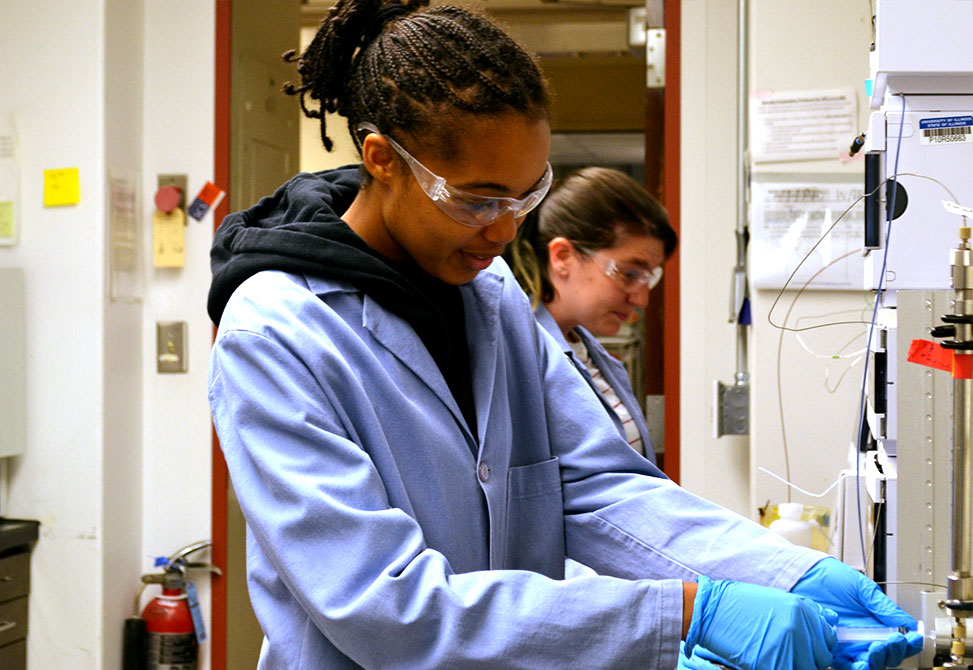
RiPPs begin life as ordinary gene products. What makes them extraordinary is enzymatic tailoring: dehydratases convert serine and threonine residues into reactive dehydroamino acids; cyclases forge thioether bridges with exacting regioselectivity; and additional enzymes install an ever-expanding catalog of post-translational modifications. The van der Donk lab has illuminated key steps in this choreography, including the unexpected tRNA-dependent mechanism of the nisin dehydratase NisB—a discovery that explained decades of puzzling observations about lantibiotic biosynthesis.
The practical implications are substantial. Genome mining now reveals RiPP biosynthetic genes at breathtaking pace, and the team's mechanistic insights enable rational engineering of these pathways. Recent work includes scalable platforms to discover antimicrobials of ribosomal origin, methods to express lanthipeptides in human cells for targeting protein-protein interactions, and inhibitors that block the maturation of bacterial toxins implicated in alcoholic liver disease.
Research Themes
Biosynthesis and Genome Mining
With sequenced microbial genomes numbering in the hundreds of thousands, the opportunity to discover new natural products has never been greater. The group combines bioinformatics with experimental validation to identify and characterize novel RiPP gene clusters, revealing new enzymatic reactions and bioactive compounds hidden in genomic dark matter.
Mechanistic Enzymology
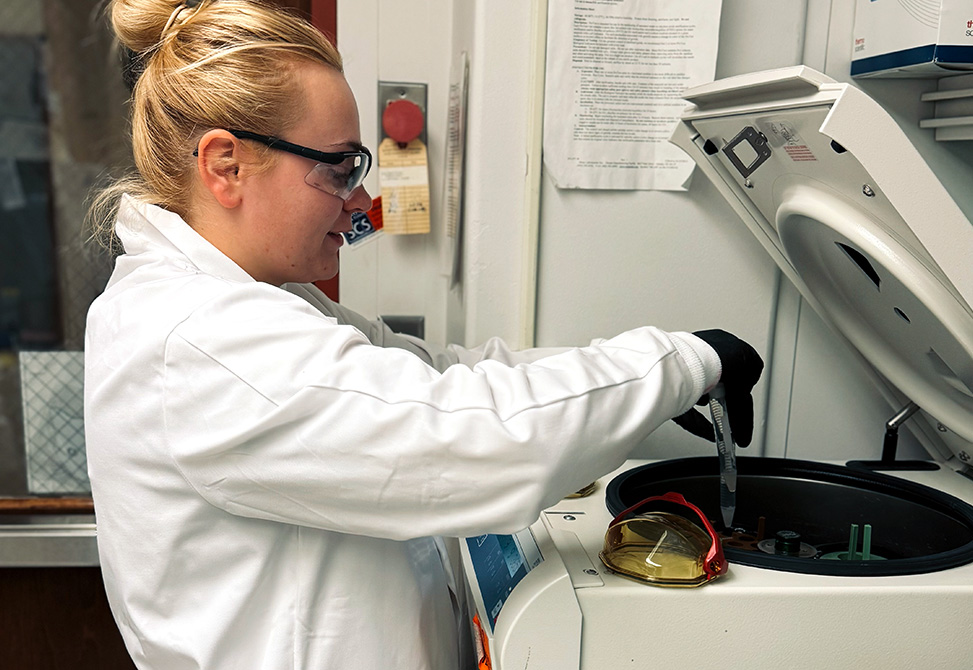
Understanding how biosynthetic enzymes achieve their remarkable selectivity requires tools from protein engineering, structural biology, and kinetic analysis. The lab has determined structures and mechanisms for multiple classes of lanthipeptide synthetases, revealing how leader peptides guide modification and how enzymes recognize their substrates with precision.
Bioengineering and Molecular Design
Mechanistic knowledge opens doors to engineering. The group has developed yeast and phage display platforms to screen lanthipeptide variants for improved bioactivities, used promiscuous synthetases to process non-native substrates, and generated combinatorial peptide libraries that explore sequence space inaccessible to traditional synthesis.
Mode of Action and Antimicrobial Resistance
The lab's translational focus addresses the antimicrobial resistance crisis head-on. By studying how RiPPs and phosphonates exert their biological effects—often through interactions with lipid II and other cell wall precursors—the group identifies the structural features that confer activity against ESKAPE pathogens while minimizing resistance development.
Scale and Impact
With over 350 publications and sustained support as a Howard Hughes Medical Institute Investigator since 2008, Professor van der Donk has built one of the world's leading programs in RiPP research. HHMI support enables long-horizon risks—the pursuit of enzymes and chemistries that are hard to crack but transformative when they yield.
Learn More
Lab website: vanderdonk.scs.illinois.edu
HHMI profile: hhmi.org/scientists/wilfred-van-der-donk
Selected Publications
Padhi, C.; Zhu, L.; Chen J.Y.; Moreira, R.; van der Donk, W.A.* "Biosynthesis of Biphenomycin-like Macrocyclic Peptides by Formation and Cross-Linking of Ortho-Tyrosines" J. Am. Chem. Soc., 2025, 147, 23781–23796.
Saha, N.; Vidya, F.N.U.; Luo, Y.; van der Donk, W.A.; Agarwal, V.* "Transformation-Guided Genome Mining Provides Access to Brominated Lanthipeptides" Org. Lett. 2025, 27, 984–988.
Yu, Y.; van der Donk, W.A.* "Genome Mining for Natural Products Made by Multinuclear Iron-Dependent Oxidation Enzymes (MNIOs)" In Methods in Enzymology, Academic Press, 2025, 717, 89–117.
Ramos Figueroa, J.; Liang, H.; van der Donk, W.A.* "Substrate Recognition by a Peptide-aminoacyl-tRNA Ligase" Proc. Natl. Acad. Sci. USA, 2025, 122, e2423858122.
Vermeulen, R.*; Du Preez van Staden, A.; Ollewagen, T.; van Zyl, L.J.; Luo, Y.; van der Donk, W.A.; Dicks, L.M.T.; Smith, C.; Trindade, M. "Initial Characterization of the Viridisins' Biological Properties" ACS Omega 2024, 9, 31832–31841.
Ramos Figueroa, J.; Zhu, L.; van der Donk, W.A.* "Unexpected Transformations during Pyrroloiminoquinone Biosynthesis" J. Am. Chem. Soc., 2024, 146, 14235–14245.
Nguyen, D.T.; Zhu, L.; Gray, D.L.; Woods, T.J.; Padhi, C.; Flatt, K.M.; Mitchell, D.A.*; van der Donk, W.A.* "Biosynthesis of Macrocyclic Peptides with C-Terminal β-Amino-α-keto Acid Groups by Three Different Metalloenzymes" ACS Cent. Sci., 2024, 10, 1022–1032.
Pei, Z.-F.; Zhu, L.; Sarksian, R.; van der Donk, W.A.*; Nair, S.K.* "Class V Lanthipeptide Cyclase Directs the Biosynthesis of a Stapled Peptide Natural Product" J. Am. Chem. Soc., 2022, 144, 17549–17557.
Ayikpoe, R.S; Shi, C.; Battiste, A.J.; et al.; van der Donk, W.A.*; Mitchell, D.A.*; Zhao, H.* "A Scalable Platform to Discover Antimicrobials of Ribosomal Origin" Nat. Commun., 2022, 13, 6135.
Ongpipattanakul, C.; Desormeaux, E.K.; DiCaprio, A.; van der Donk, W.A.*; Mitchell, D.A.*; Nair, S.K.* "Mechanism of Action of Ribosomally Synthesized and Post-Translationally Modified Peptides" Chem. Rev., 2022, 122, 14722–14814.
Liang, H.; Lopez, I.J.; Sánchez-Hidalgo, M.; Genilloud, O.; van der Donk, W.A.* "Mechanistic Studies on Dehydration in Class V Lanthipeptides" ACS Chem. Biol., 2022, 17, 2519–2527.
Lai, K.-Y.; Galan, S.R.G.; et al.; Chen, J.*; Davis, B.G.*; van der Donk, W.A.* "LanCLs Add Glutathione to Dehydroamino Acids Generated at Phosphorylated Sites in the Proteome" Cell 2021, 184, 2680–2695.
Danelius, E.; Halaby, S.; van der Donk, W.A.*; Gonen, T.* "MicroED in Natural Product and Small Molecule Research" Nat. Prod. Rep., 2021, 38, 423–431.
Le, T.; van der Donk, W.A.* "Mechanisms and Evolution of Diversity-Generating RiPP Biosynthesis" Trends Chem., 2021, 3, 266–278.
Montalbán-López, M.; Scott, T.A.; et al.; Kuipers, O.P.*; van der Donk, W.A.* "New Developments in RiPP Discovery, Enzymology and Engineering" Nat. Prod. Rep. 2021, 38, 130–239.
Duan, Y.; Llorente, C.; Brand, K.; et al.; van der Donk, W.A.; et al.; Schnabl, B.* "Bacteriophage Targeting of Gut Bacterium Attenuates Alcoholic Liver Disease" Nature 2019, 575, 505–511.
Acedo, J.Z.; Bothwell, I.R.; An, L.; Trouth, A.; Frazier, C.; van der Donk, W.A.* "O-Methyltransferase-Mediated Incorporation of a β-Amino Acid in Lanthipeptides" J. Am. Chem. Soc. 2019, 141, 16790–16801.
A Conversation with Professor Wilfred A. van der Donk
APS: Your lab is synonymous with RiPPs, ribosomally synthesized and post-translationally modified peptides, and especially with the lanthipeptide family. What drew you to this space?
van der Donk: Two things: the beauty of enzyme chemistry and the incredible design latitude of ribosomal scaffolds. RiPPs begin life as ordinary gene products, but enzymatic tailoring can install complex crosslinks and new functional groups with exquisite control. We can ask mechanistic questions at atomic resolution and, at the same time, discover or engineer molecules with real biological impact. That dual track, fundamental enzymology plus molecular design, has kept us here.
APS: Your group helped illuminate key steps in lanthipeptide biosynthesis, including nisin maturation. What are the mechanistic highlights?
van der Donk: Nisin's maturation is a masterclass in enzymatic choreography. The dehydratase NisB first converts specific Ser/Thr residues to dehydroamino acids; a cyclase then forges five (methyl)lanthionine rings with exquisite regioselectivity to pre-organize the peptide for target recognition. Dissecting NisB, its unexpected tRNA-dependent dehydration chemistry and substrate recognition, was pivotal. Once we understood how leader/core segments are handled, we could rationally redirect or broaden the system. These insights generalize across lanthipeptide classes and more broadly across RiPP logic.
APS: Where is the field moving now? Discovery, mechanism, or engineering?
van der Donk: All three, at scale. Genome mining is revealing RiPP biosynthetic genes at a breathtaking pace, which is exciting in light of industry embracing biocatalysis; mechanism is keeping up, with new post-translational chemistries and enzyme families; and engineering is transitioning from "swap a residue" to pathway-level rewiring for new folds, macrocycles, and functions. Practically, the community is building platforms that knit these pieces together so antimicrobial candidates, cyclic peptides that disrupt protein-protein interactions, and peptide-based molecular degraders can all move from sequence → enzymes → molecules far more quickly.
APS: A recurring theme in your work is how leader peptides guide processing. Why does that matter for design?
van der Donk: Leader peptides are the address labels of RiPP biosynthesis. They enforce enzyme–substrate fidelity, gate timing, and allow multi-enzyme "assembly-line" behavior. By understanding leader-enzyme communication, we can present core peptides that are unnatural yet still processed efficiently, opening huge sequence space while retaining enzymatic precision. The practical payoff is the ability to install multiple, noncanonical crosslinks with high regio- and chemoselectivity.
APS: Many APS members are eager to translate RiPPs into clinics. What technical bottlenecks still need attention?
van der Donk: Three stand out. First, activity in complex environments—gut, biofilms, membranes—often diverges from in vitro assays; we need models that predict that gap. Second, delivery across cell membranes and stability for peptide scaffolds, especially against proteases. Third, target deconvolution and resistance mapping, which require integrated genetics and chemical biology. Mechanistically grounded engineering is our best route forward: when you know why a ring is where it is, you know how to move it without losing function.
APS: You're also a widely recognized mentor and educator. What do you emphasize with students and postdocs?
van der Donk: Exposure and ownership. Exposure to the full landscape of scientific careers, students can't choose paths they've never seen, and ownership of rigorous projects that build identity as a scientist. I also strongly urge trainees to communicate clearly. Community matters too; mentoring is a team sport, and our lab culture reflects that. Finally, I tell trainees not to compare themselves to their advisors. The correct comparison would be to their mentors at the same career stage. And I know that often they would be surprised what they would find!
APS: Your appointment as an HHMI Investigator underscores the basic-science engine behind your lab. How does that shape your strategy?
van der Donk: HHMI support encourages us to take long-horizon risks, to chase the enzymes and chemistries that are hard to crack but transformative when they yield. The flexibility to follow curiosity without abandoning translational aims, lets us build platforms that others can adapt: structural enzymology, pathway biochemistry, and genome-to-molecule pipelines.
APS: If you could give one design principle to a newcomer engineering their first lanthipeptide, what would it be?
van der Donk: Start from mechanism-aligned scaffolds, let the enzymes teach you. Respect leader-binding motifs, ring-closure order, and enzymatic preferences, then perturb systematically and add tailoring reactions. The fastest progress comes when design hypotheses and mechanistic assays iterate weekly, not yearly.
APS: Final thought for the peptide community?
van der Donk: RiPPs demonstrate that enzymatic post-translational chemistry is programmable. If we continue to merge mechanistic depth with discovery-scale informatics, we'll keep finding chemistry that nature already solved and we'll learn to redirect it with precision.

Photo Credit: L. Brian Stauffer, AAAS and EurekAlert!