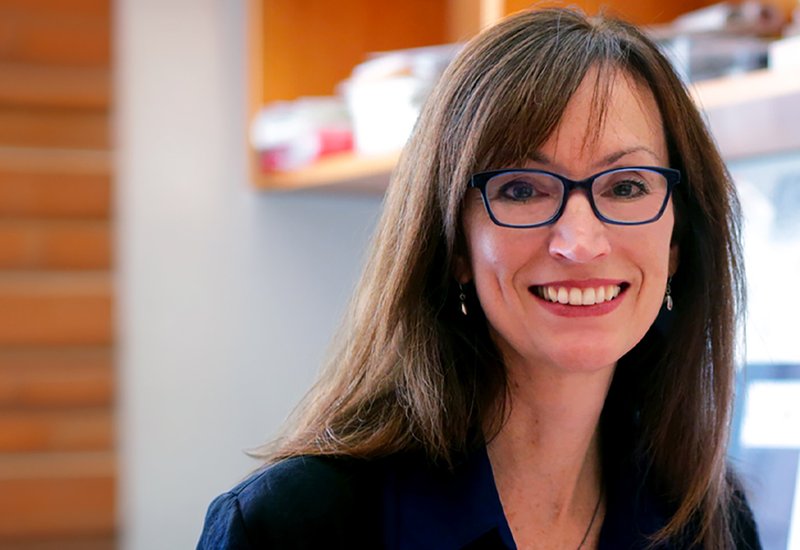
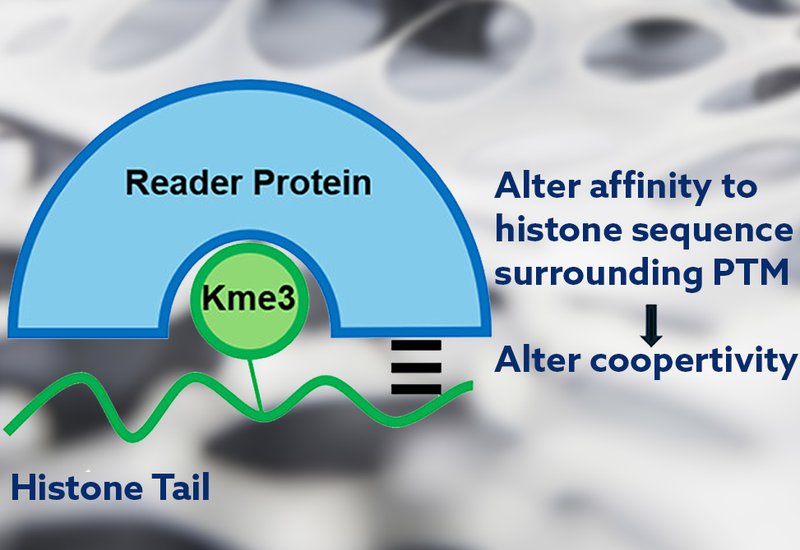
Each name appearing in the authors' line of a research article carries a story. The Biochemistry paper from the Waters laboratory at the University of North Carolina, which revealed how cooperative binding interactions govern selectivity in histone reader proteins, is no exception. Behind the science stands a team whose trajectories from Chapel Hill now span academia and industry, from North Carolina to South San Francisco.
Christopher Travis, the study's first author and co-corresponding author, completed his Ph.D. in UNC's Department of Chemistry under Marcey Waters, where he focused on mechanistic studies of epigenetic reader proteins. Before joining the Waters lab, he gained medicinal chemistry experience during a co-op at GSK, and as an undergraduate at the College of William and Mary he worked with Douglas Young on unnatural amino acid bioconjugation chemistry. Travis is now a Research Assistant Professor in the Department of Biochemistry and Biophysics at UNC, where he also serves as Director of the Macromolecular Interactions Facility, a core resource that provides biophysical characterization tools including surface plasmon resonance, isothermal titration calorimetry, and microscale thermophoresis to researchers across the university and beyond.
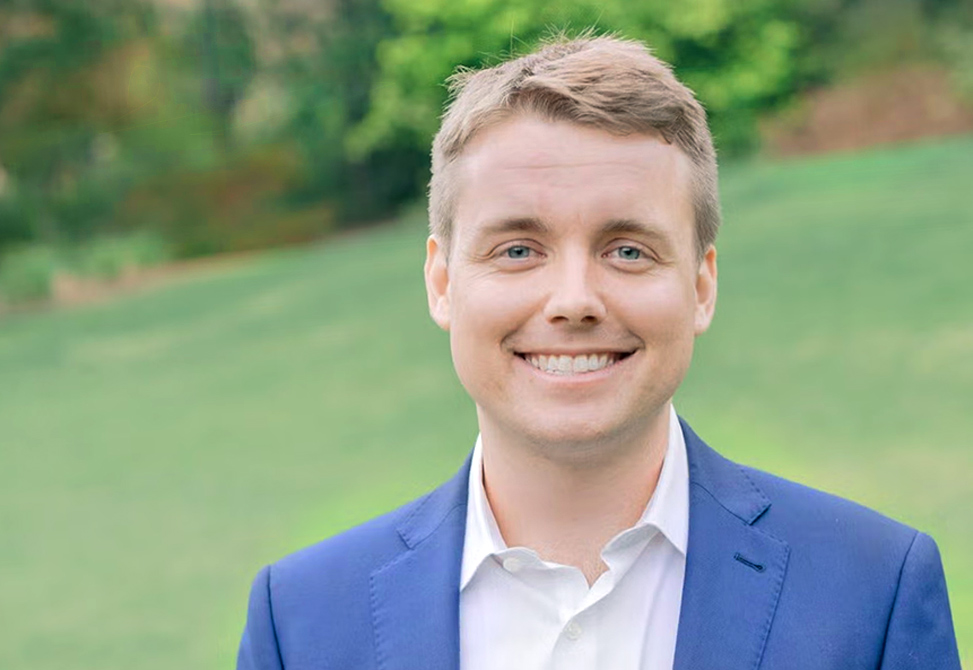
Research Assistant Professor Christopher Travis
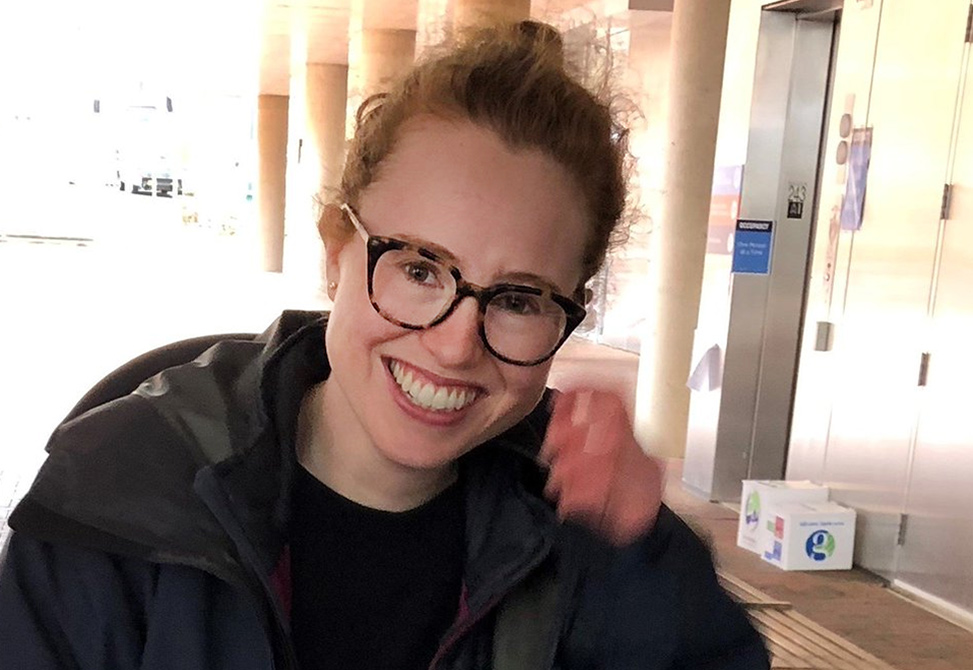
Assistant Professor Katherine Albanese
Katherine Albanese's path traces a full circle through three institutions and two continents. A Wake Forest University graduate in chemistry, she earned her Ph.D. in the Waters lab studying cation-pi and methionine interactions in proteins that recognize histone trimethyllysine, engineering them into high-affinity "super binders" as epigenetics research tools. She then crossed the Atlantic to join the Woolfson lab at the University of Bristol, where she designed peptides and proteins from scratch to induce membrane curvature. In 2024, Albanese returned to Wake Forest as an Assistant Professor of Chemistry, where she now leads a research group that combines computational protein design with chemical biology and synthetic cell approaches to study histone post-translational modifications. Her work on the Cooperativity paper bridges the fundamental recognition chemistry she explored as a graduate student with the engineered protein tools she is now developing independently.
Hanne Henriksen brought West Coast energy to Chapel Hill when she arrived in 2019 from San Diego State University, where she had competed at the Division I level on the SDSU Waterski and Wakeboard Team while conducting research in Douglas Grotjahn's organometallics group and Jeff Gustafson's peptide stapling laboratory. After earning her Ph.D. in organic chemistry at UNC in 2024, studying the design of switchable foldamers and noncovalent interaction networks, Henriksen joined the Department of Peptide Therapeutics at Genentech. There, she works at the frontier of peptide drug development, a field whose challenges and strategies her colleagues at Genentech recently surveyed in a major Journal of Medicinal Chemistry perspective on overcoming metabolic barriers to peptide therapeutics.
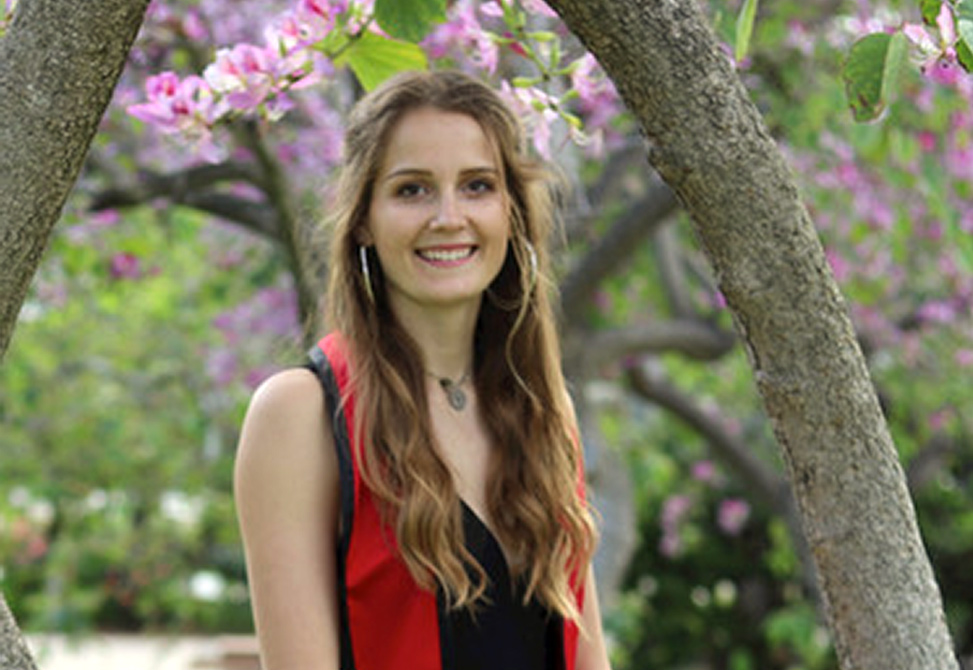
Dr. Hanne Henriksen, Department of Peptide Therapeutics, Genentech
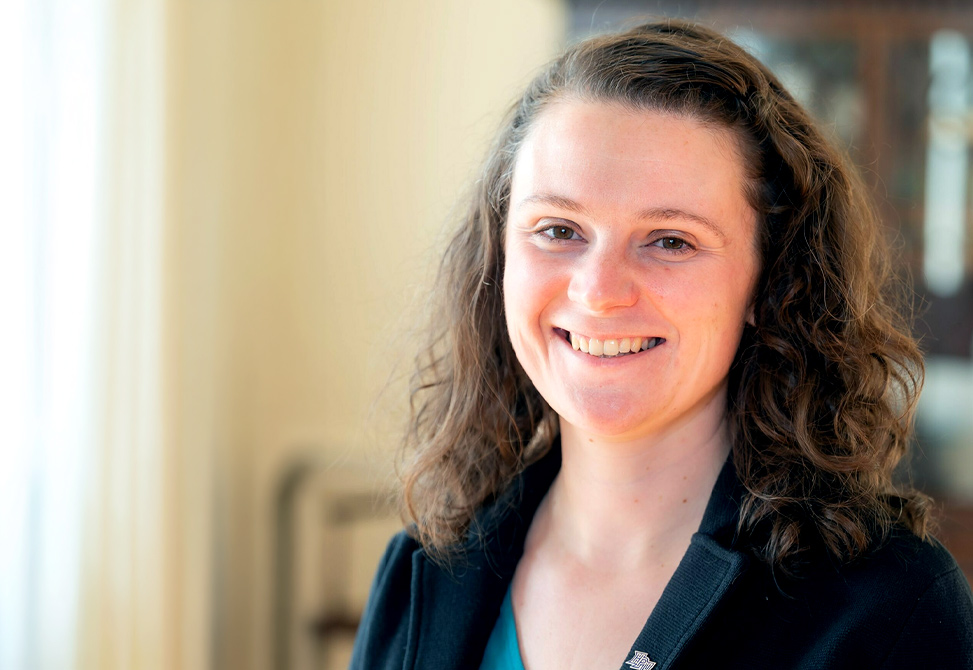
Kelsey Kean, Assistant Professor of Chemistry at High Point University
Kelsey Kean's route to the Waters lab was anything but direct. She grew up in Buffalo, New York, and headed to the University of Tulsa in Oklahoma, where she rowed competitively while earning her BS in Biochemistry. A summer internship at the Hauptman-Woodward Medical Research Institute introduced her to structural biology, and she pursued that interest at Oregon State University, completing her Ph.D. in the Karplus lab using X-ray crystallography to study enzyme structure-function relationships. As a SPIRE postdoctoral fellow at UNC, jointly supported by Chapel Hill and North Carolina Central University, she taught biological chemistry while conducting research in the Waters group. Kean is now an Assistant Professor of Chemistry at High Point University, where she brings crystallographic expertise and a reputation as an outstanding educator to the next generation of chemists in the North Carolina Triad.
Behind this team stands Marcey Waters, the Glen H. Elder, Jr., Distinguished Professor of Chemistry at UNC, whose laboratory has trained a generation of scientists who think rigorously about noncovalent interactions in biological systems. The Cooperativity paper exemplifies what can happen when a research group combines diverse expertise, from structural biology and protein engineering to peptide chemistry and computational modeling, under a shared intellectual framework. That the co-authors now carry their training into faculty positions, core facilities, and industry peptide programs speaks to the breadth of career paths that rigorous training in peptide science can open.