Coast to Coast: A Decade of Discovery
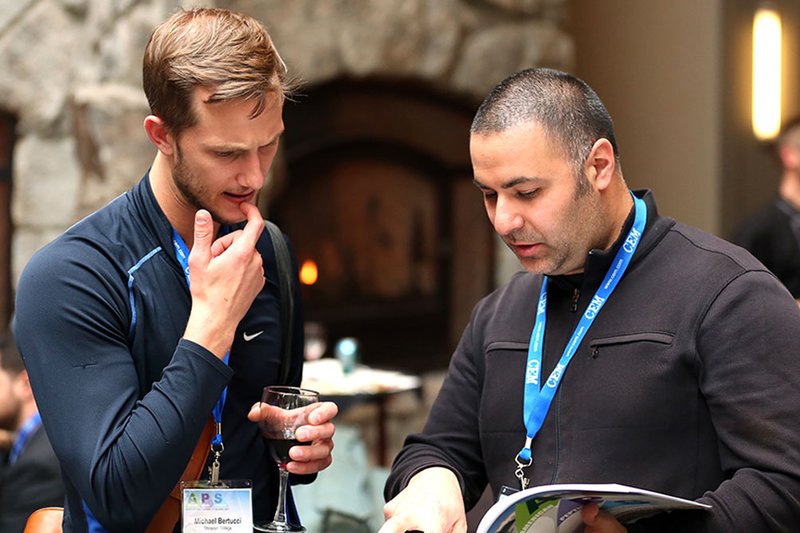
When Michael Bertucci and Yftah Tal-Gan set up their posters side by side at the 2015 American Peptide Symposium in Orlando, they discovered something remarkable: both young assistant professors had independently chosen to study quorum sensing in streptococci. That serendipitous encounter sparked a collaboration that now spans a decade, two coasts, and dozens of students.
The Researchers
Yftah Tal-Gan's scientific journey began in Jerusalem. After earning his bachelor's, master's, and Ph.D. at the Hebrew University of Jerusalem under Chaim Gilon and Alexander Levitzki, he completed postdoctoral training with Helen Blackwell at the University of Wisconsin–Madison. In 2014, he launched his own lab at the University of Nevada, Reno, where he was promoted to Associate Professor in 2020. That same year, UNR recognized him with its Foundation Early Career Innovator Award for research that could lead to new treatments for deadly pneumococcal infections. His lab has since published more than 40 papers and secured NIH and NSF funding. Yftah was promoted to Full Professor in 2022.
Michael Bertucci's scientific arc began in New Jersey. After earning his B.S. in Chemical Biology at Stevens Institute of Technology, he completed his Ph.D. at UNC Chapel Hill with Michel Gagné. He spent time at Hartwick College and Moravian University before joining Lafayette College in 2021, where he earned tenure in 2024. Along the way, he received an NSF CAREER Award and was named a 2023 Henry Dreyfus Teacher-Scholar, one of only eight in the nation that year. He also serves on the American Peptide Society Council.
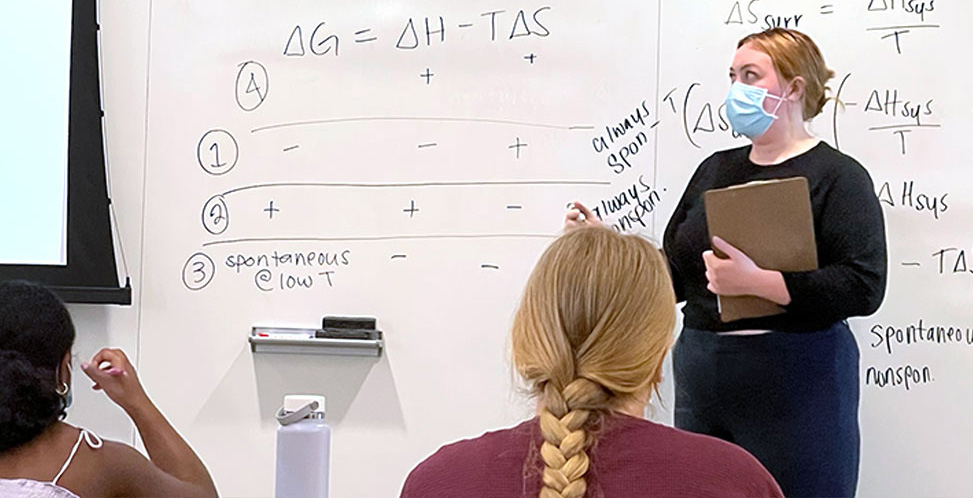
UNR graduate student Alec Brennan teaching a general chemistry class at Lafayette College in 2022.
A Partnership Built on Shared Questions
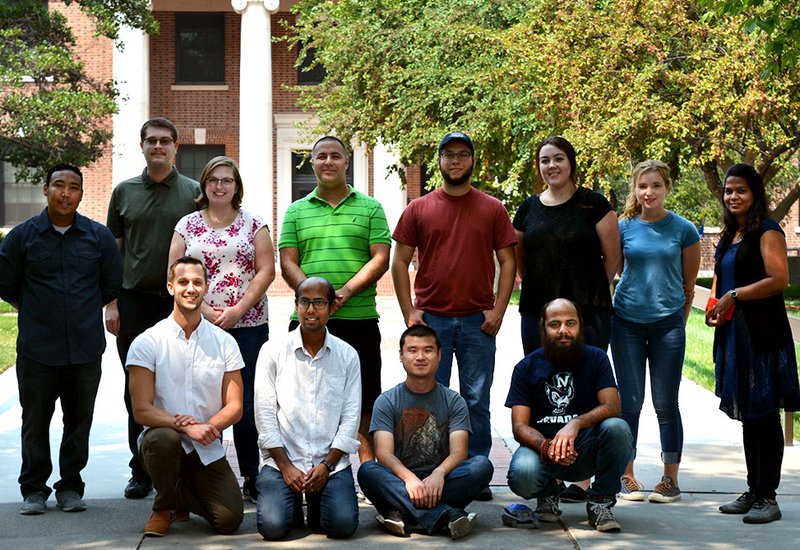
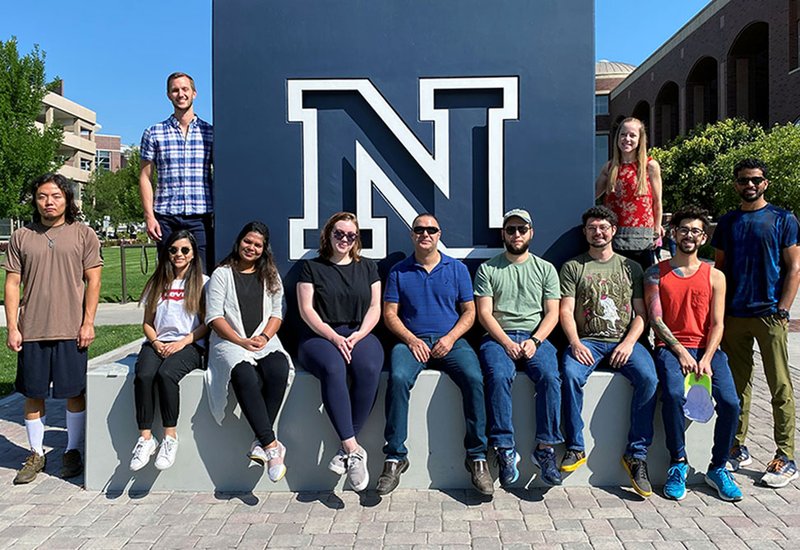
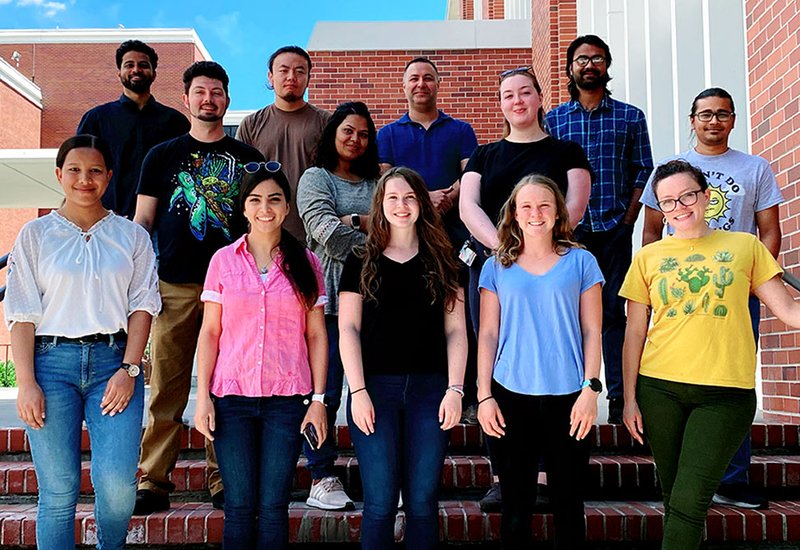
Their collaboration began with Streptococcus pneumoniae, the notorious pathogen behind pneumonia, meningitis, and ear infections. Together, the labs produced three publications and trained two graduate students and ten undergraduates in the discovery of peptide-based modulators of bacterial communication.
But what makes this partnership distinctive is its educational exchange. Each summer, one or two Lafayette undergraduates travel to Reno to immerse themselves in the R1 research environment, gaining experience with instrumentation and techniques beyond what a smaller college can offer. In return, Tal-Gan's graduate students and postdocs visit Lafayette to learn firsthand about careers at primarily undergraduate institutions.
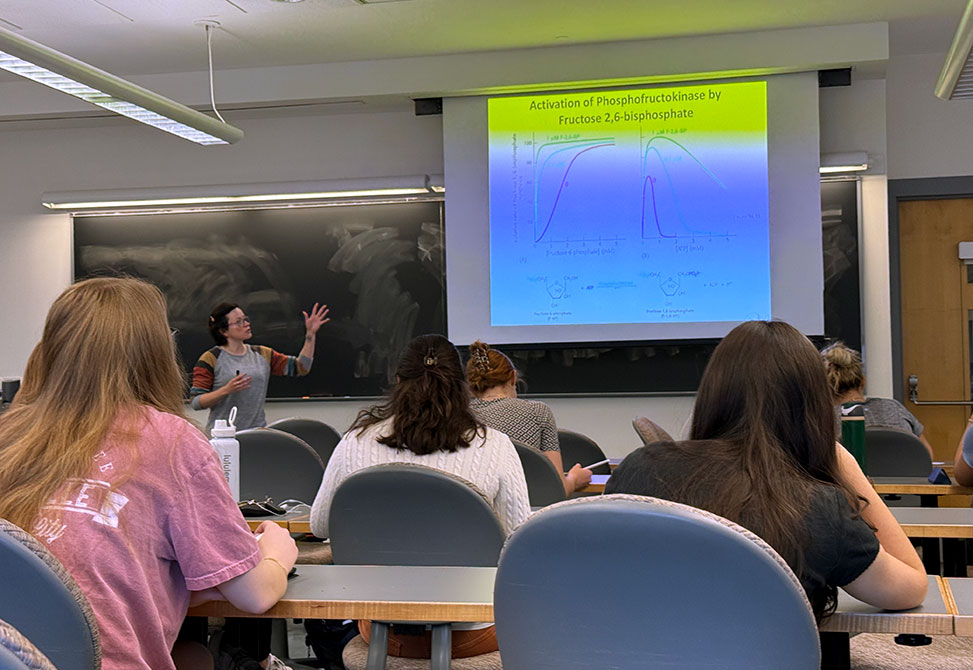
UNR graduate student Keely Rodriguez-Renshaw teaching a biochemistry class at Lafayette College in 2025.
In 2023, the collaboration pivoted to Streptococcus gordonii, a generally beneficial oral bacterium that produces hydrogen peroxide to fend off cavity-causing competitors. Their latest work, published in ACS Infectious Diseases and highlighted on our website, maps the quorum sensing circuitry that regulates this antimicrobial defense, opening new possibilities for biotherapeutic approaches to oral health.
From Poster Session to Publication
Looking back, the partnership exemplifies what scientific meetings can catalyze. The American Peptide Society's symposium brought two researchers together by chance, and they realized they were asking the same questions about how bacteria talk. A decade later, that conversation continues, now amplified through the voices of students on both coasts, connected by peptides, peroxide, and a shared commitment to training the next generation of scientists.
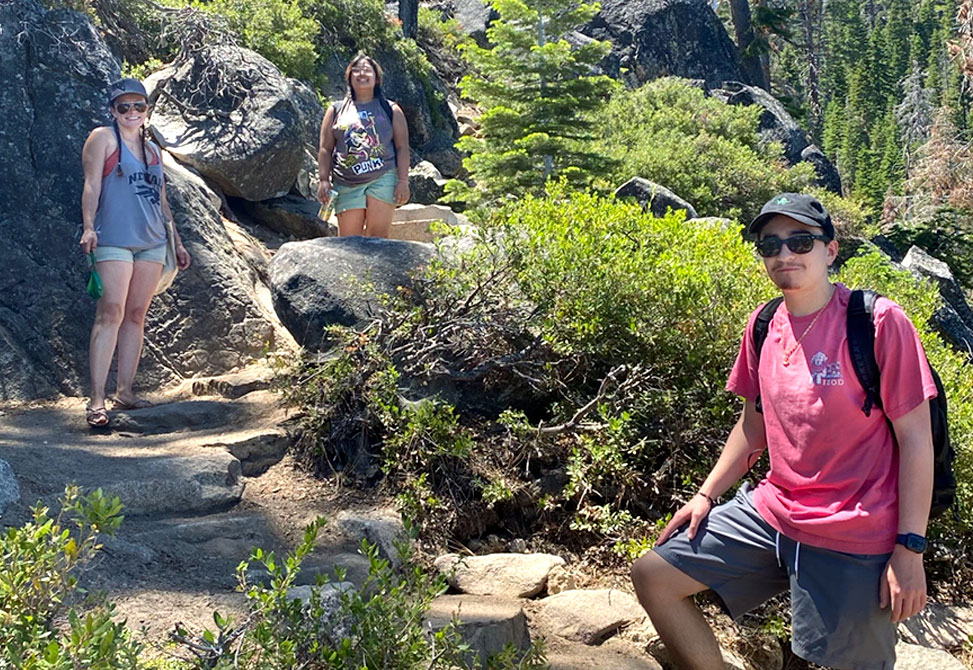
Keely Rodriguez-Renshaw , UNR, Jack Baum, Lafayette, and Alex Yurtola, Lafayette, hiking in the Nevada mountains around Reno.
The collaboration is supported by the National Science Foundation, CHE-1808370; CHE-2316599, and the Camille and Henry Dreyfus Foundation through the Henry Dreyfus Teacher-Scholar Award.