Women in Peptide Science
On February 11th, the world celebrates the International Day of Women and Girls in Science, a day dedicated to promoting full and equal access to and participation in science for women and girls. This observance highlights the critical role women play in science and technology communities and emphasizes the need to strengthen their participation.
In the field of peptide science, women have made significant contributions, advancing our understanding of peptides and their applications. The American Peptide Society, APS, has recognized several outstanding female scientists over the past five years for their exceptional work. Below, we celebrate these distinguished members and their achievements.
Lila Gierasch
2019 Merrifield Award
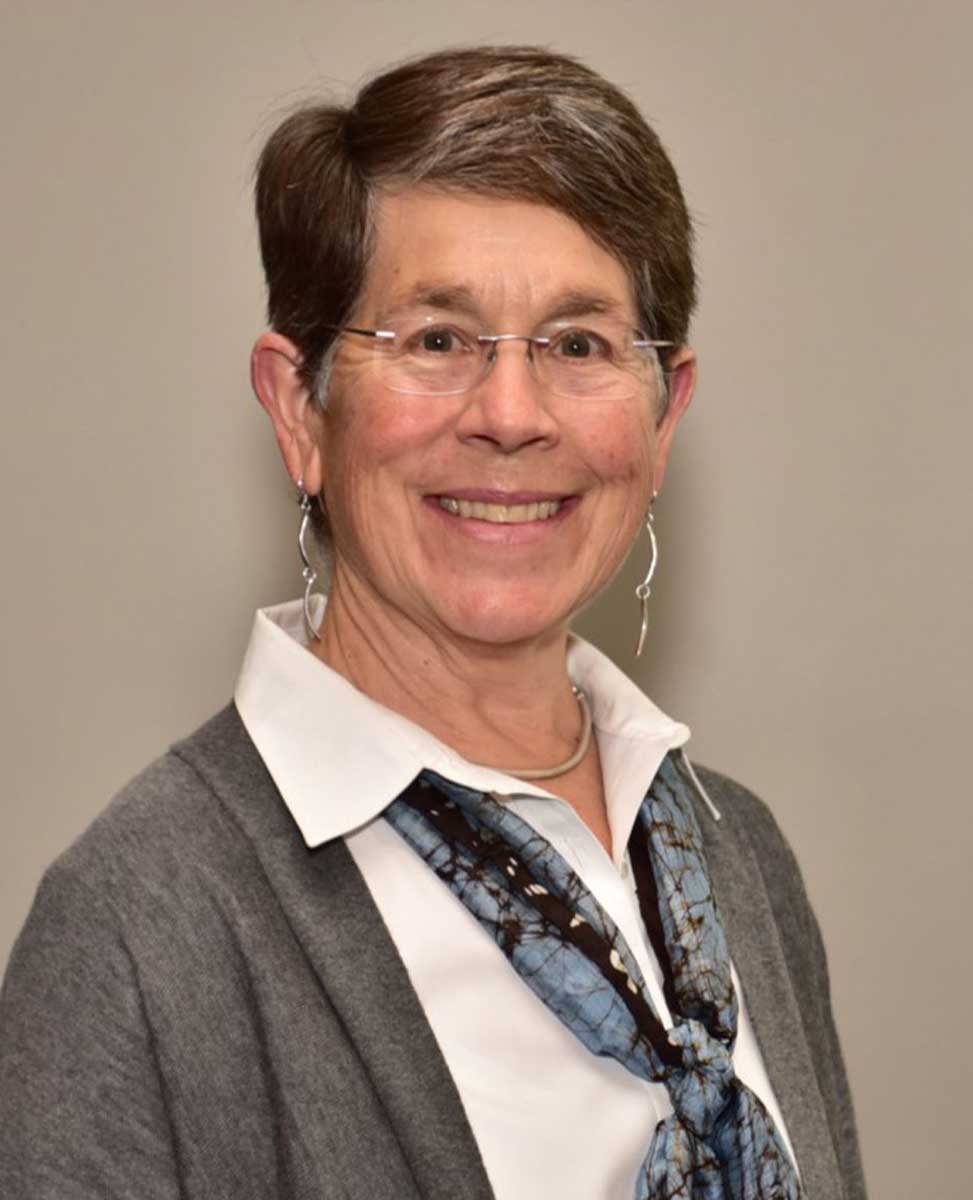
Dr. Lila Gierasch is a Distinguished Professor at the University of Massachusetts Amherst. Her research focuses on protein folding, exploring how amino acid sequences dictate the folding process and how misfolding can lead to diseases. Her work has provided deep insights into the fundamental principles of protein structure and function.
Monika Raj
2019 Early Career Award
Dr. Monika Raj is an Associate Professor at Emory University. Her research involves developing novel chemical methodologies for peptide modification, with applications in drug discovery and development. She has been recognized for her innovative approaches to peptide chemistry.

Annette Beck-Sickinger
2019 du Vigneaud Award
Professor Annette Beck-Sickinger is based at Leipzig University in Germany. Her research encompasses peptide hormones and G-protein-coupled receptors, contributing to the understanding of receptor-ligand interactions. Her work has implications for developing new therapeutic strategies.

Caroline Proulx
2021 Early Career Award
Dr. Caroline Proulx is an Associate Professor and Goodnight Early Career Innovator at North Carolina State University. Her research focuses on developing synthetic methodologies to access robust peptide and protein mimics for drug design and chemical biology applications.
Helma Wennemers
2023 du Vigneaud Award
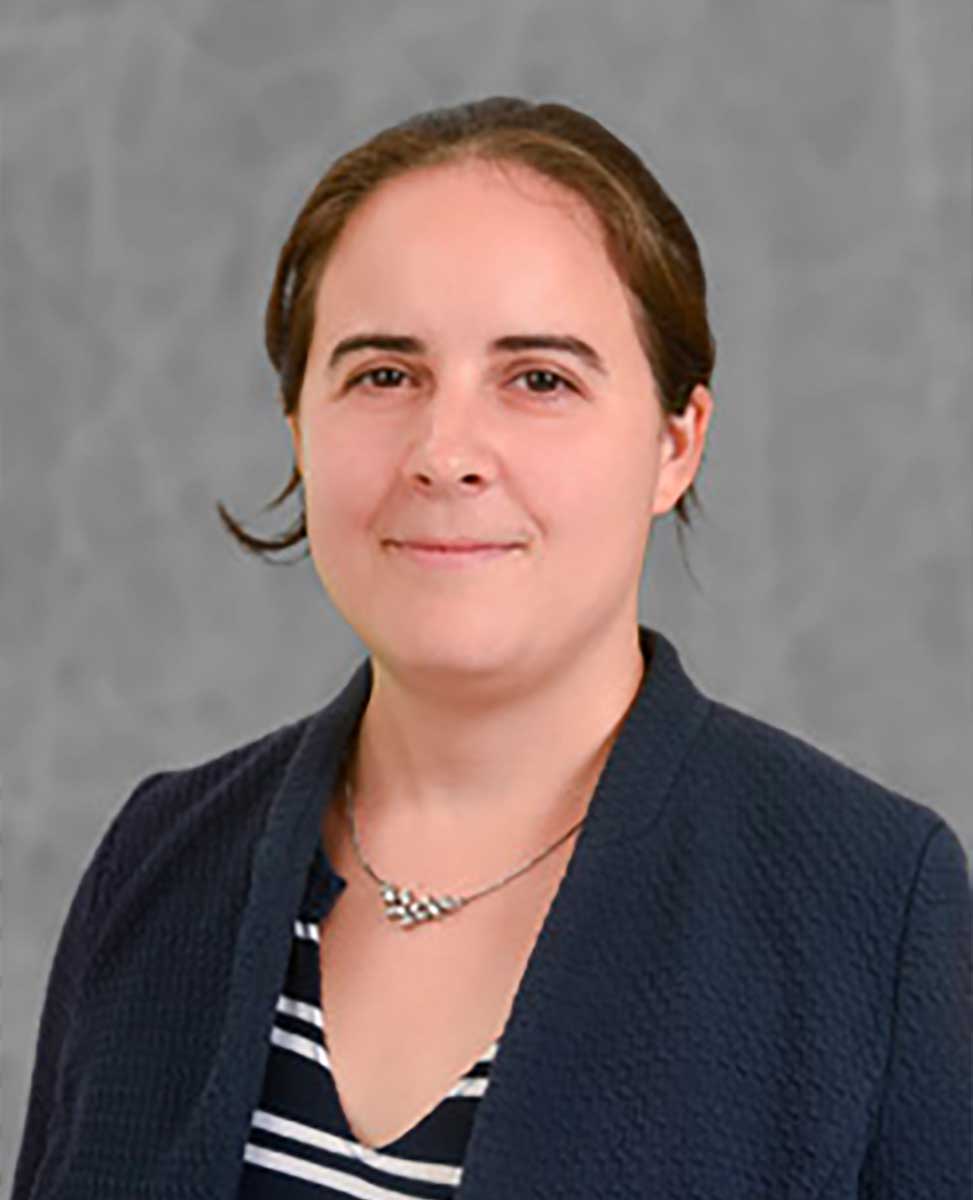
Professor Helma Wennemers is a faculty member at ETH Zurich in Switzerland. Her research interests include the development of peptides as catalysts and functional materials. She has made significant contributions to the field of asymmetric catalysis using small peptides.
Marcey Waters
2023 du Vigneaud Award
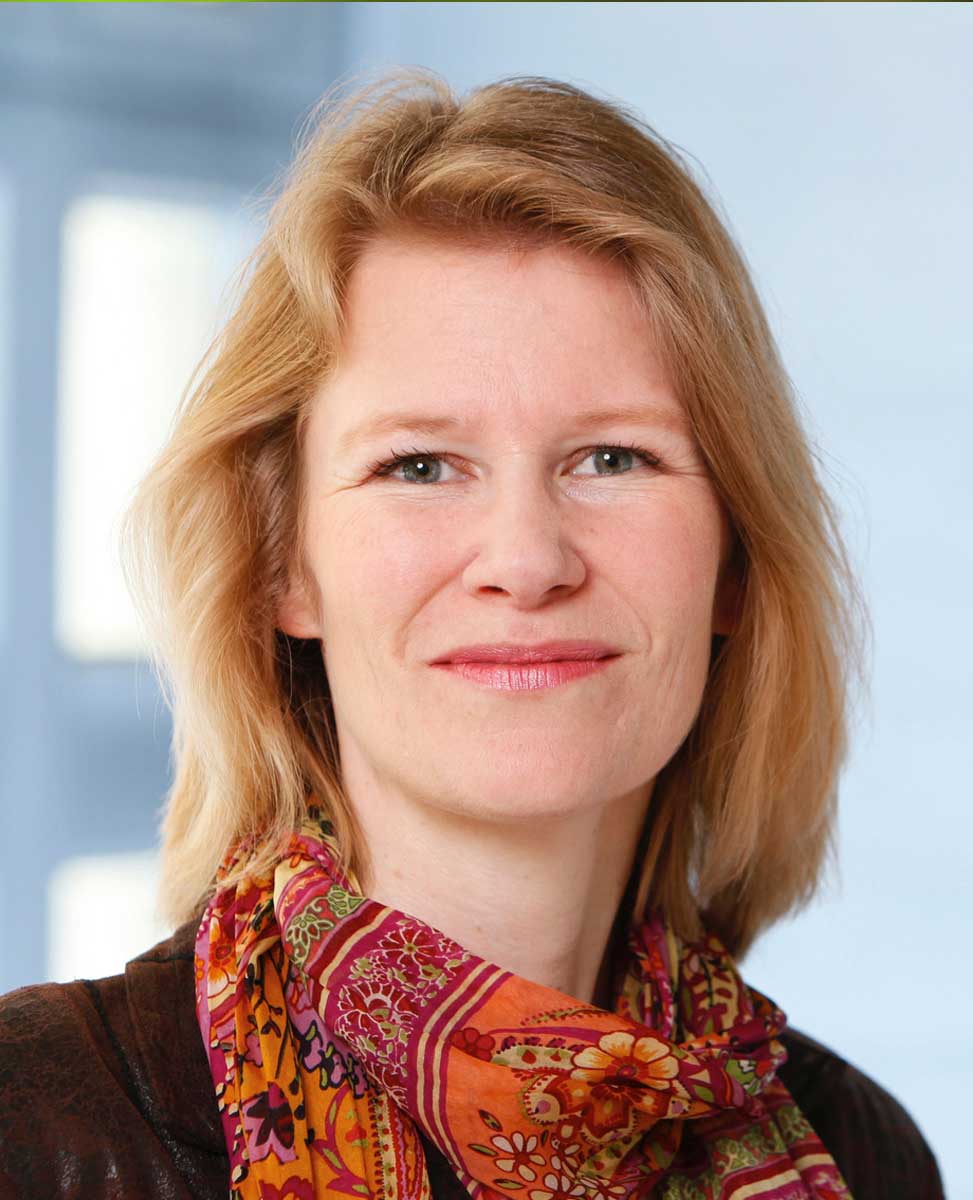
Dr. Marcey Waters is the Glen H. Elder, Jr., Distinguished Professor of Chemistry at the University of North Carolina at Chapel Hill. Her research explores molecular recognition and the role of non-covalent interactions in biological systems, particularly in the context of histone modification and epigenetics.

Jean Chmielewski
2021 Goodman Award
Professor Jean Chmielewski is the Alice Watson Kramer Distinguished Professor at Purdue University. Her research integrates organic chemistry and biochemistry to design molecules that can disrupt protein-protein interactions, with applications in treating diseases such as cancer and infectious diseases.
Alanna Schepartz
2021 du Vigneaud Award
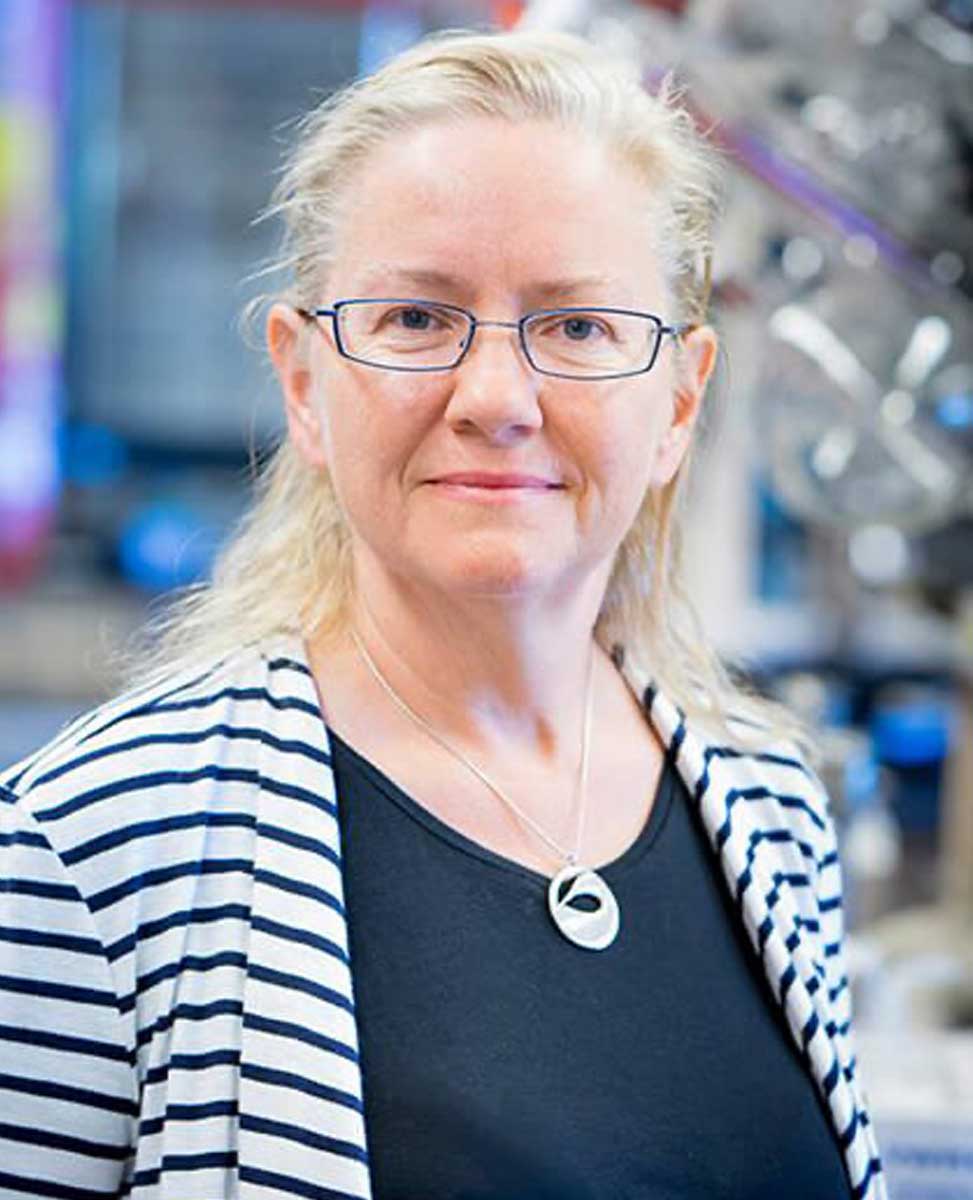
Dr. Alanna Schepartz is the C.Z. and Irmgard Chu Distinguished Chair of Chemistry and Professor of Molecular and Cell Biology at the University of California, Berkeley. Her research focuses on the development of miniature proteins and exploring their potential as therapeutic agents.
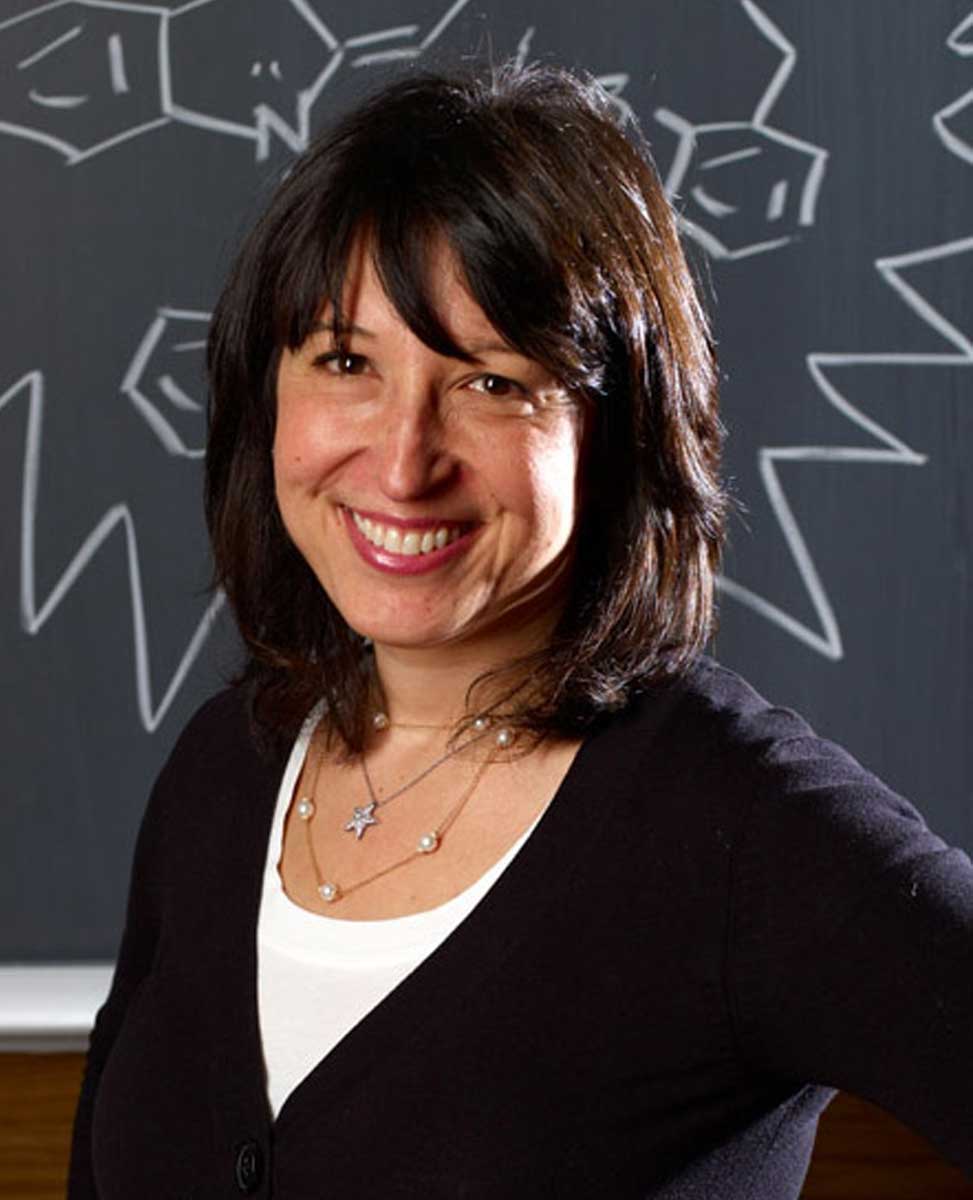
Lara Malins
2023 Early Career Award
Dr. Lara Malins is an Associate Professor at the Australian National University. Her research involves the development of synthetic methods for peptide modification, including late-stage functionalization techniques, to enhance the properties and functions of peptides.
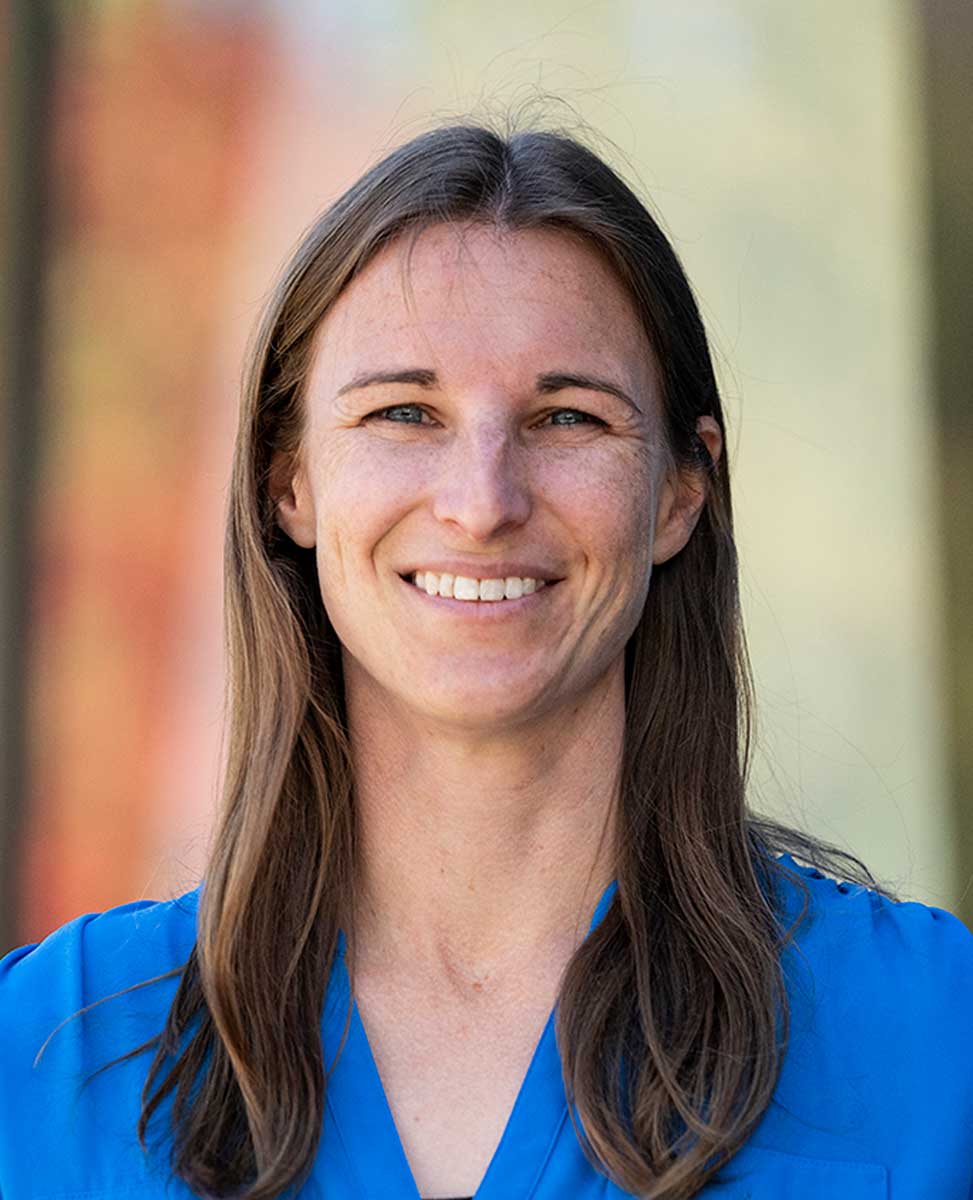
Betsy Parkinson
2024 Early Career Award
Dr. Betsy Parkinson is an Assistant Professor at the University of Utah. Her research focuses on the design and synthesis of peptidomimetics to study and influence protein-protein interactions, with implications for understanding disease mechanisms and developing new therapeutics.
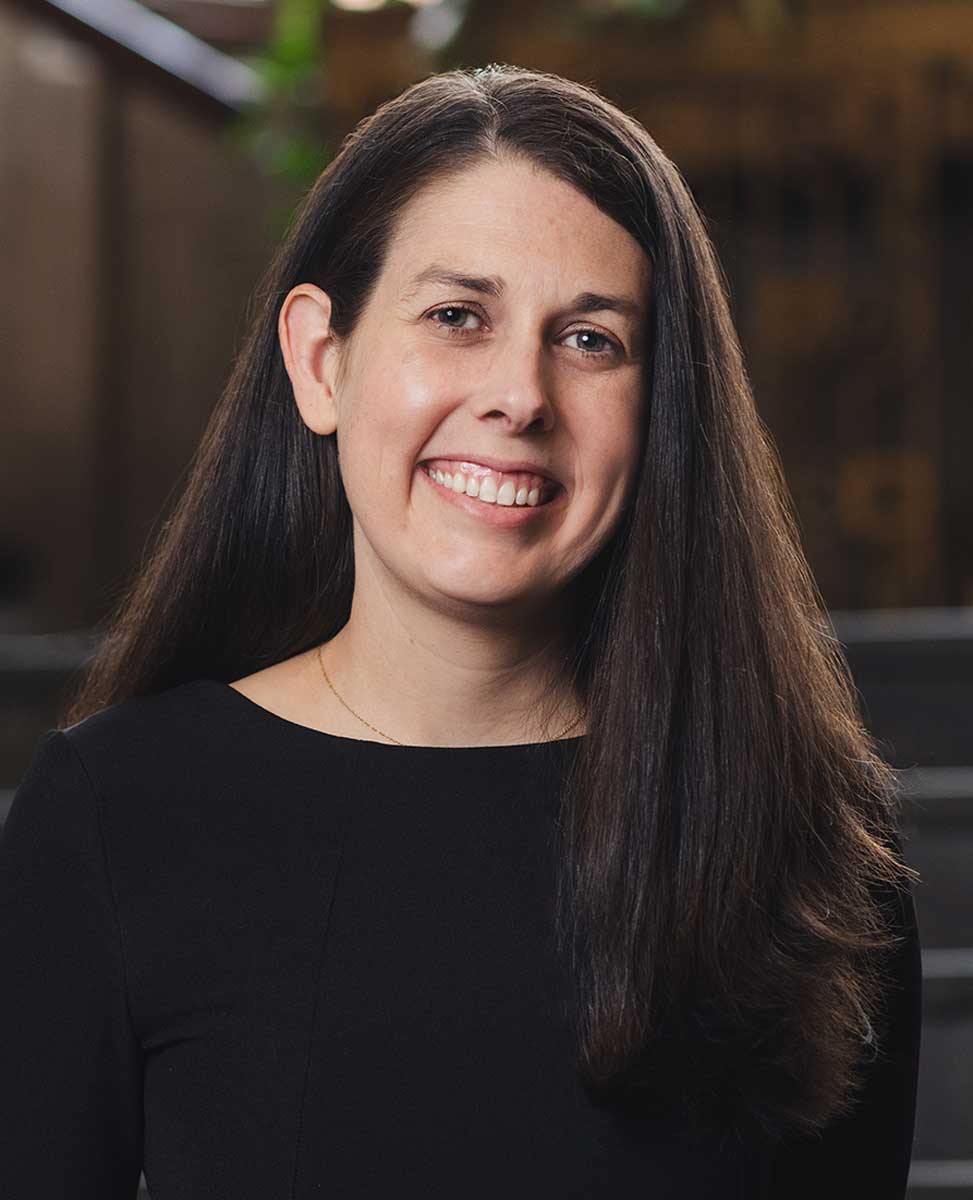
These remarkable women exemplify excellence in peptide science, each contributing uniquely to the advancement of the field. Their dedication and innovative research continue to inspire future generations of scientists.