Global Peptide Groups - The Dijkgraaf Group
The Dijkgraaf Group
The Dijkgraaf Group works in the Department of Biochemistry at Maastricht University, in the southern Netherlands, where Ingrid Dijkgraaf holds the chair in Biomimetic Chemistry. The group is deliberately small: three graduate students, a technician, and one or two BSc or MSc students at any given time, with Dr. Emilia Bialek having recently completed her doctorate. Dijkgraaf also holds a 0.2 FTE appointment in the Department of Radiology and Nuclear Medicine, which keeps radiochemistry and small-animal imaging within reach of the synthesis bench. She has served on the board of the Royal Netherlands Chemical Society since 2015.
At that scale, the group is best understood as one node in a department built for collaboration. Molecular modeling and docking come from the group of Dr. Gerry Nicolaes. Tracer development for the detection and imaging of cardiovascular calcification is a joint effort with Prof. Leon Schurgers. Platelet biology is led by Prof. Judith Cosemans, and chemokine biology by Prof. Rory Koenen. A cardiologist or vascular biologist with a chemical question does not have to become a chemist first, and a chemist with a biological question does not have to leave the building.
That arrangement is formalized in CARIM's Chemical Protein Synthesis platform, which the group supports alongside colleagues working under the leadership of Prof. Tilman Hackeng. Dijkgraaf treats shared synthesis capability as research infrastructure in the same sense as NMR or imaging, and a considerable amount of the group's own work has grown out of requests that arrived through it.
The tick program has been supported by a sequence of Netherlands Organisation for Scientific Research awards, beginning with a VIDI grant whose title gives the group's sensibility away: Heteromolecular chemokine interactions observed from outside of the box: lessons and tricks from ticks. An NWO Aspasia award followed, and then a project grant on the anticoagulant tick protein BSAP1. A 2014 Fulbright award took Dijkgraaf to Philip Dawson's laboratory at Scripps to work on the interaction between the chemokine CCL5 and the tick protein Evasin-4; Dawson appears as a co-author on the structural paper that work eventually produced, six years later.
People and paths
Training here is broad by design, spanning peptide and protein chemistry, molecular biology, and biomedical research, and the group regularly hosts BSc and MSc students along with interns from the Dutch universities of applied sciences. Some arrive expecting a short placement and leave intending to continue at university; others go into teaching. Dr. Stepan Denisov, a former Ph.D. student and postdoctoral researcher whose name runs through much of the group's tick protein work, holds both an NWO Rubicon grant and a Marie Skłodowska-Curie fellowship, taking his research to Oxford and Vienna. Arina Filatova, then a BSc student, won the poster prize at the Dutch Peptide Symposium in competition with Ph.D. students and postdocs. Dijkgraaf herself was nominated for the Top X Women to Follow recognition in 2025.
Maastricht
For many years this group was the only one at Maastricht University doing peptide synthesis. That has changed. Several new principal investigators working in peptide chemistry have joined the university, with research focuses different enough to be complementary rather than overlapping, and the result has been new scientific exchange, shared equipment, and interdisciplinary projects that would not have been possible a decade ago.
The department also takes its public role seriously, contributing every year to World Thrombosis Day on 13 October to improve public understanding of thrombotic disease. Colleagues are active in patient participation as well. Dr. Rogier Veltrop is both a researcher and a patient, working on his own disease, which keeps the patient perspective in the room rather than in the discussion section. The department's spin-off company, Coagulation Profile, is a reminder that diagnostic applications are a realistic destination for this kind of work.
Dijkgraaf tells one story about arriving. After her interview for a postdoctoral position in the department, she was invited to stay for the Friday drinks. Where other academic departments had offered beer and peanuts, this one produced wine, fresh baguette with spreads, and a selection of cheeses. People in the south of the Netherlands work hard, she observes, but they also know how to enjoy life, which those in the north of the country, where she is from, can occasionally forget.
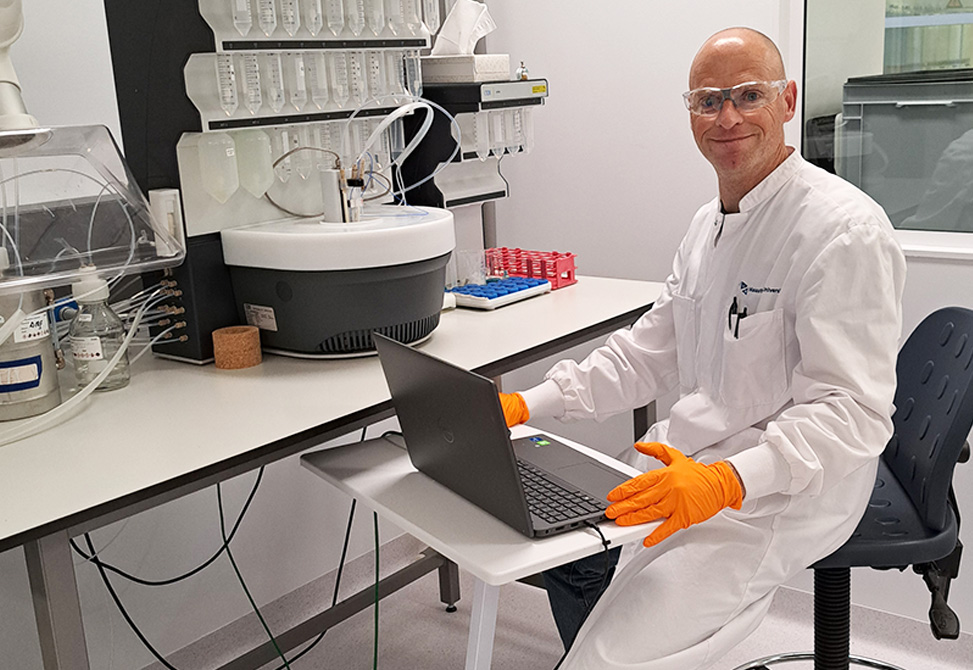
Dennis Suylen, our dedicated laboratory technician, who has been an invaluable part of the team for many years. Always ready to share his expertise and lend a helping hand, he makes sure that everything in the lab runs smoothly.
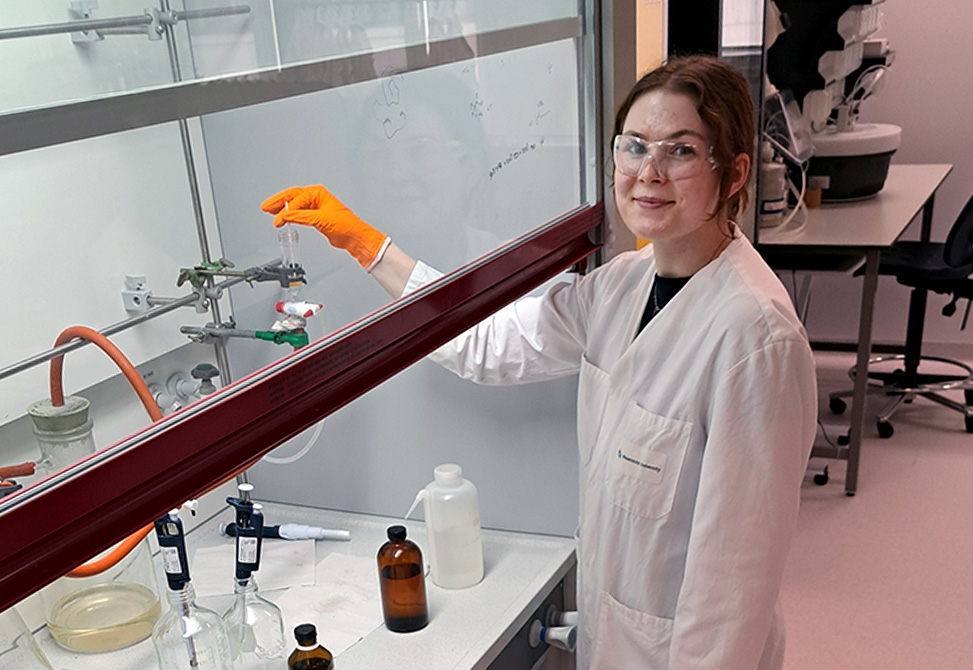
Leonie Wilhelm, summer 2026. Leonie is a student from the Lise-Meitner-Schule in Berlin. For many years, we have welcomed students from this school who voluntarily spend part of their summer with us, gaining valuable hands-on experience in a research environment.
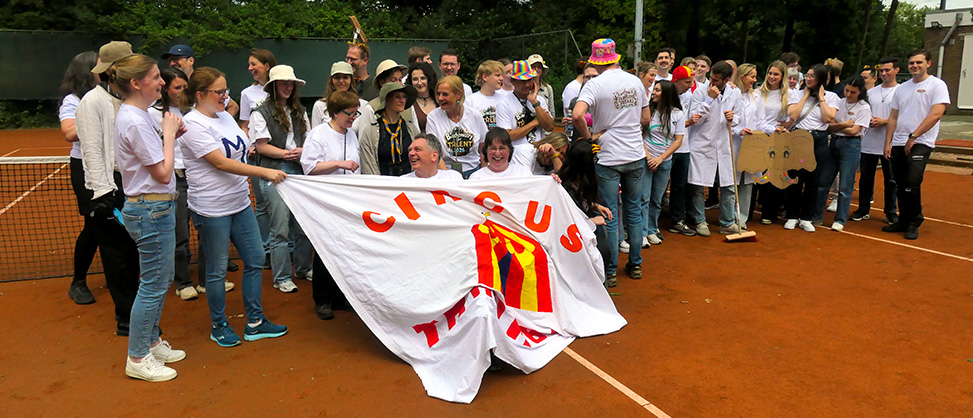
Department of Biochemistry, annual outing, June 2026. Members of the Department of Biochemistry enjoying their annual department outing together.
Chemical Innovation Through Biological Inspiration
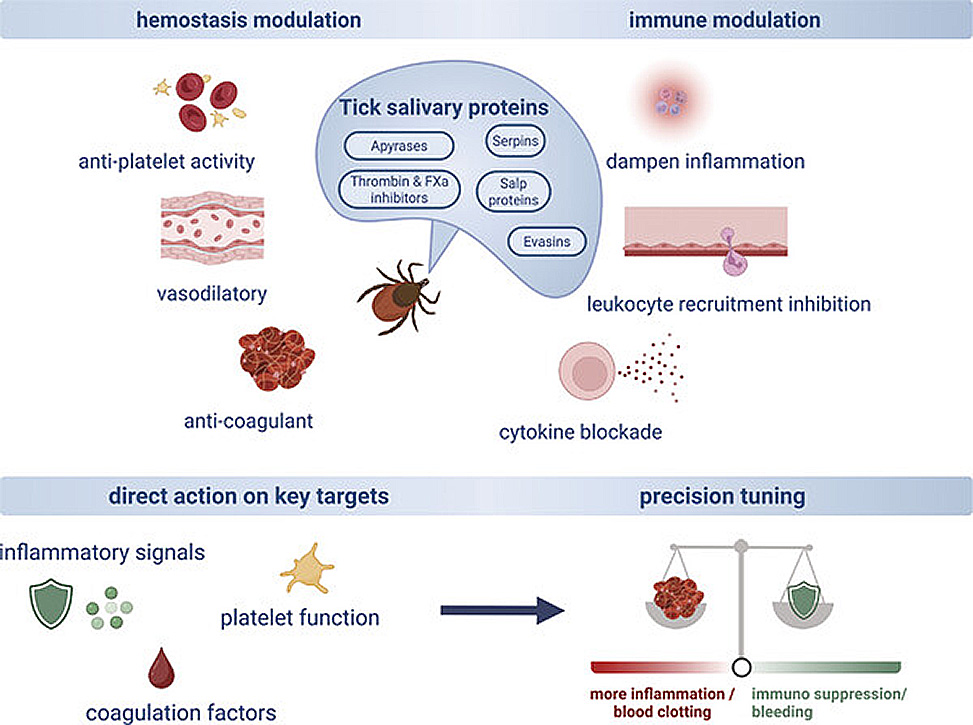
The group designs, synthesizes, and biologically evaluates bioactive peptides and proteins, and it starts by looking outward. The premise of biomimetic chemistry, and the title of Dijkgraaf's inaugural lecture, is that a blood-feeding parasite has run a longer and more expensive optimization campaign than any screening program a laboratory can fund. Ticks have evolved proteins that interfere with host defense with considerable precision. Snake venoms contain a diverse repertoire of highly specific bioactive peptides and proteins. Amphibians have their own solutions, and the group has characterized several, including a Bowman-Birk-like inhibitor with combined antioxidant and anticoagulant activity and the cathelicidin Cath-HG, which protects platelet function in sepsis models. The group makes those molecules cleanly, establishes what they actually do, and then engineers them into probes, inhibitors, and antigens.
What distinguishes the approach is less any single technique than the insistence on holding three things together: biomimetic design, synthesis at the scale of whole small proteins, and functional characterization rigorous enough to support a structure–function claim. Crude saliva will not tell you which activity belongs to which protein. A preparation whose disulfide connectivity has not been established will not tell you whether the activity you measured belongs to the fold you intended. Defined synthetic material will.
Chemistry
Solid-phase peptide synthesis and chemical ligation are the core methods, supplemented by recombinant expression where it is the better route. Native chemical ligation, which Dijkgraaf went to Philip Dawson's laboratory at Scripps as a Fulbright Scholar in 2014 to learn properly, is what makes tick proteins accessible at full length. Conformational control is a recurring requirement: a β-hairpin epitope of ten residues will not hold its fold unaided, so it is cyclized through a D-Pro-Gly turn and the result confirmed by NMR and CD before it goes anywhere near an animal. Multimerization on a lysine wedge, structurally the same move as the glutamic acid wedge Dijkgraaf used to present copies of a cyclic RGD ligand to integrin αvβ3 as a Ph.D. student, raises the TSLPI-specific antibody response roughly a hundred-fold over the monomer. That lysine wedge has had a long working life, and it is the same wedge rather than an analogous one: multimeric DTPA-coNGR constructs built on it run through the group's imaging work as agents for detecting angiogenesis, including the angiogenesis that follows myocardial infarction.
Methodology development runs alongside. Where disulfide connectivity was the bottleneck, SecScan used selenocysteine substitution to provide a directly readable reporter nucleus, and was published as a general method for mapping disulfide bonds in synthetic and recombinant peptides and proteins alike, which is to say a tool built for the group's own problem and handed to everyone with the same one. Where site-specific modification of native material was the bottleneck, the group worked out N-terminal attachment of TMTHSI linkers for strain-promoted azide–alkyne cycloaddition, with Rob Liskamp, in whose Utrecht laboratory Dijkgraaf began. Bio-orthogonal imine chemistry for chemical protein synthesis is the subject of a book chapter written with Hackeng and colleagues.
Biology
Functional assay work runs in parallel with synthesis rather than after it, concentrated on coagulation, platelet function, and the interaction of bioactive molecules with the hemostatic system. Thrombin generation assays report the overall capacity of plasma to generate thrombin and how a given molecule shifts it. Light transmission aggregometry follows platelet aggregation through changes in light transmission across platelet-rich plasma after activation. Chromogenic amidolytic assays quantify the activity of individual coagulation factors such as factor Xa, and resolve whether a candidate inhibits it. Peptides and proteins can also be radiolabeled in house and taken into microPET/CT and microSPECT/CT without leaving the institution.
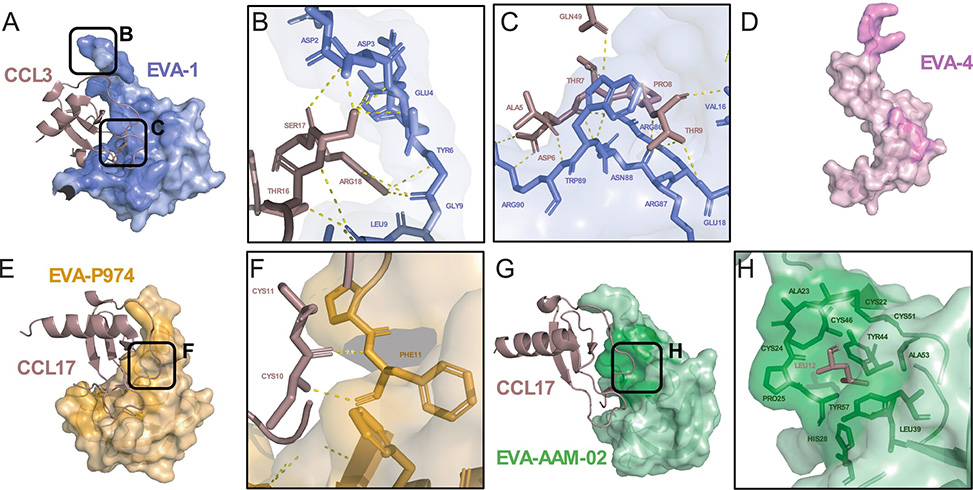
Structural work is treated as a condition of interpretation, not a decoration on it. NMR confirms that a synthetic protein has folded correctly and formed the intended disulfide bonds. Only then does an observed activity say anything about the native molecule. That discipline is what allowed the group to establish how Evasin-3 disrupts CXCL8 interactions with glycosaminoglycans and CXCR2, to determine the structural basis of Evasin-4's anti-CCL5 activity, and to show that within the Salp14 family the inhibition of coagulation and of the lectin complement pathway are separable.
Current directions
Three lines are newer and moving quickly.
Chemokine-targeted D-peptides. Chemokines mediate inflammation and figure in a range of cardiovascular and inflammatory disease, and they are difficult to target with conventional molecules. With Dr. Peter Timmerman at Biosynth B.V., the group uses mirror-image phage display to select all-D CLIPS peptides, which requires chemically synthesizing the D-enantiomer of the target and yields binders that are proteolytically stable and not limited to what a tick happened to evolve. The first of these appeared in 2025. Chemokine biology here draws on a long-running collaboration with the group of Prof. Dr. Paul Proost at KU Leuven.
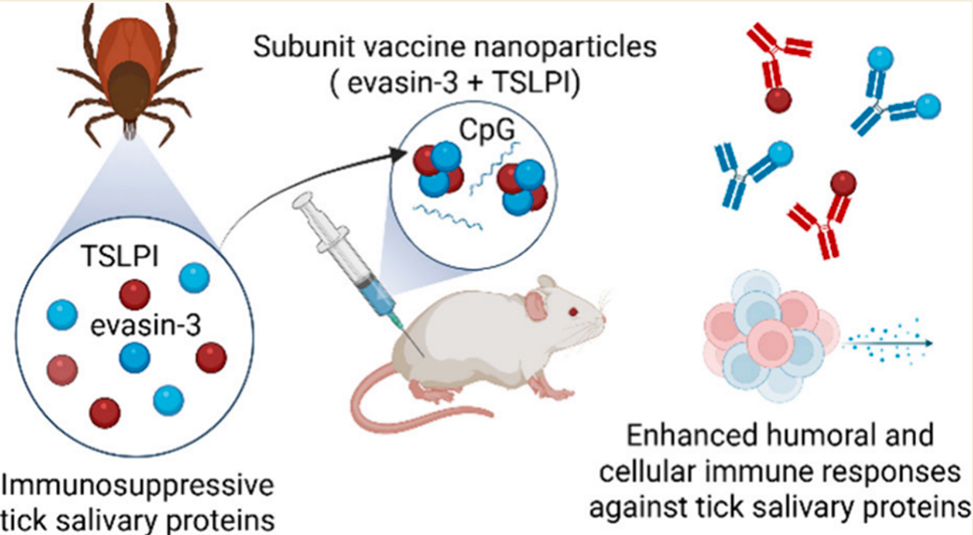
Synthetic peptide vaccines against tick-borne disease. A vaccine directed at the tick rather than at any one pathogen could in principle protect against several tick-borne diseases at once, since a single vector carries viruses, protozoa, and bacteria. The difficulty is ranking a complex salivary repertoire, which is where computational prediction earns its place: secreted proteins are predicted, structures modeled, antigenic epitopes predicted, and secondary structure and cross-species conservation assessed before anything is synthesized. That pipeline pointed to TSLPI from Ixodes scapularis, implicated in borreliosis transmission. Rabbit immunization followed by tick challenge produced reduced tick weights and lower egg hatching rates.
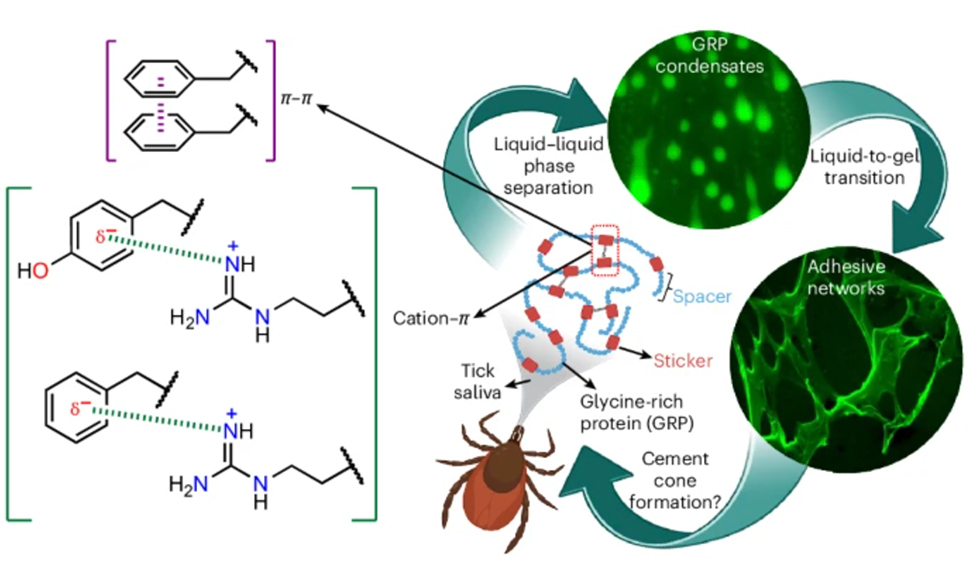
Tick cement. With Dr. Siddharth Deshpande at Wageningen University, the group studies the glycine-rich proteinaceous material a tick produces to attach itself to its host. The collaboration began on the day a BSc student joined to work on the chemical synthesis of the cement protein and Deshpande made contact about the same protein from a materials-science angle. The protein condenses and then ages into a material whose properties depend on pH, which turned a peptide synthesis project into a materials question as well, and has so far produced papers in Nature Chemistry and Advanced Functional Materials.
Imaging
The imaging thread is the oldest in the group and the reason the tick work began. Visualizing unstable atherosclerotic plaque means visualizing an inflammatory lesion, and a labeled copy of a protein the host already makes in abundance gives very little contrast. Tick proteins that bind host chemokines but are absent from human biology solve that problem, and labeled Evasin-3 was used to visualize inflammation in arteries through CXC-type chemokines deposited on activated endothelium. Related work covers cNGR-based agents for angiogenesis, RGD tracers for extracellular matrix remodeling after myocardial infarction, SPECT detection of venous thrombosis, a VHH for CEACAM5 imaging, and, with Schurgers and colleagues, the open problem of detecting vascular calcification.
Computation and efficiency
Computational tools matter increasingly for structure prediction, molecular modeling, and the identification of promising sequences and binding interactions, and they are used to prioritize targets and guide design ahead of synthesis. They have not displaced experimental work, and Dijkgraaf is explicit that computational chemistry and AI are not her own expertise; that work runs through collaborations with colleagues in the department. On the synthetic side, the group optimizes strategies to cut unnecessary steps, improve yields, and reduce solvent and reagent consumption. Fully sustainable peptide synthesis remains a hard problem, and the group treats greener, more resource-efficient chemistry as a direction of travel rather than a solved one.
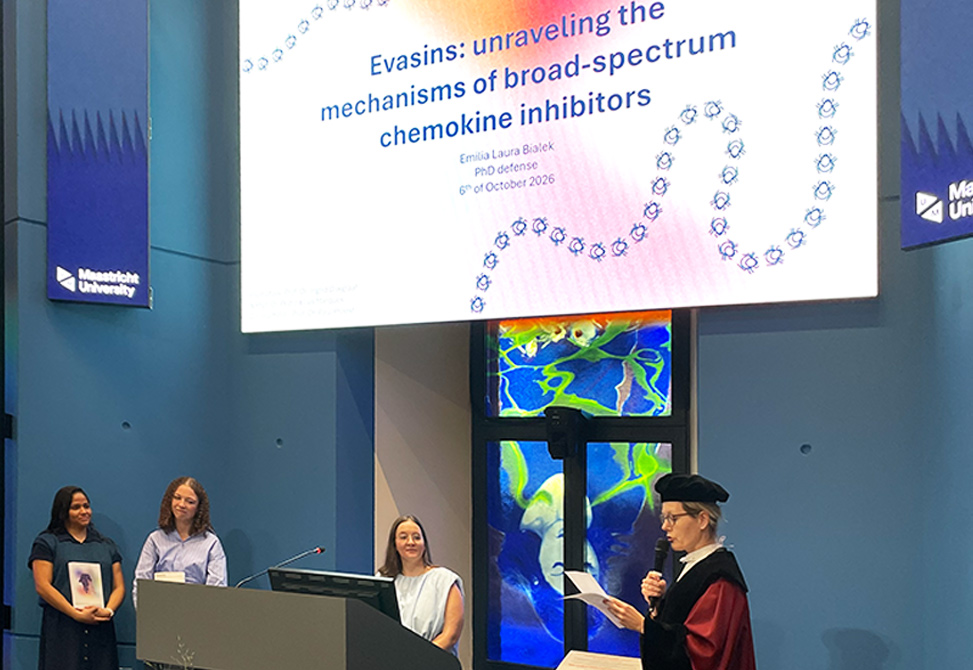
Laudatio for Dr. Emilia Bialek, 6 October 2026. Ingrid Dijkgraaf, right, delivers the laudatio in honor of Dr. Emilia Bialek, left, who successfully defended her Ph.D. thesis on 6 October 2026.
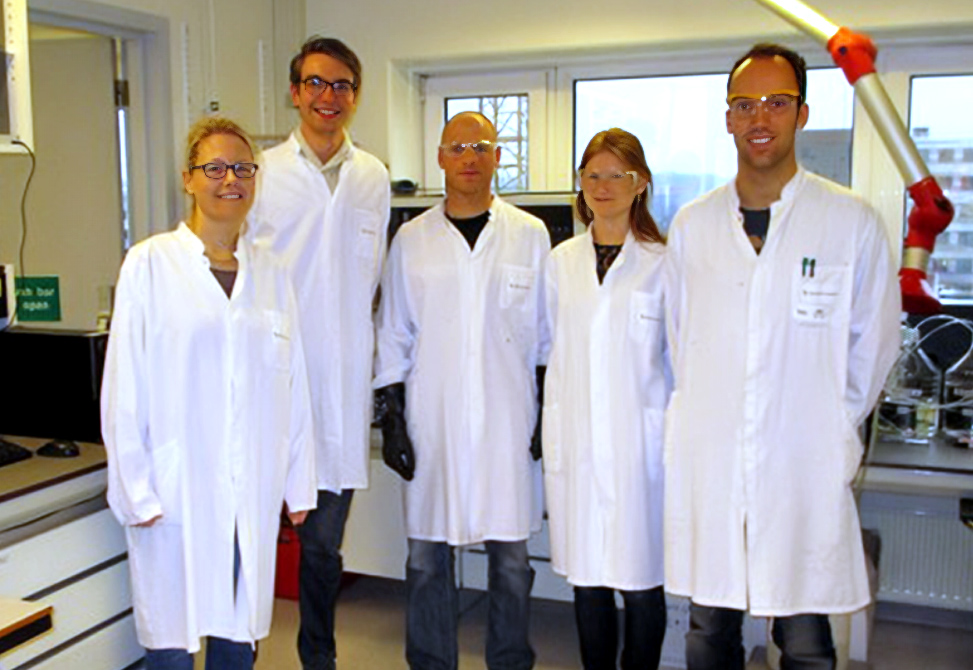
Part of the research group in 2014. A snapshot of part of the Dijkgraaf research group in 2014.
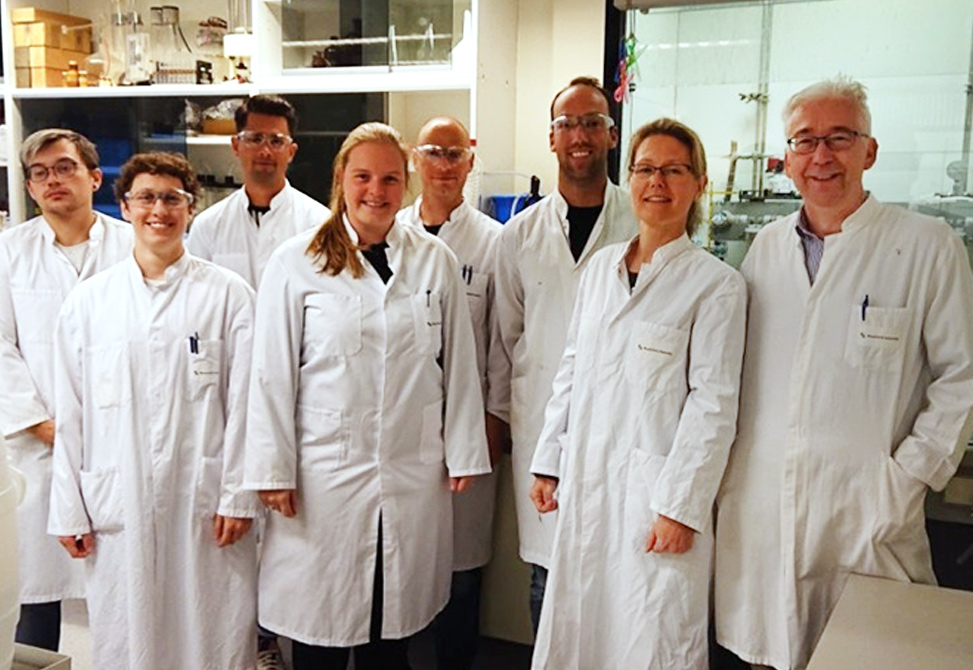
Part of the research group in 2019. A snapshot of part of the Dijkgraaf research group in 2019.
Representative Publications
The group nominates two 2025 papers as most representative of where the work currently sits: the Nature Chemistry study of phase separation in tick adhesive protein, and the ACS Nanoscience Au report on tick salivary antigen vaccine nanoparticles. Both appear below, grouped with the work around them.
Tick adhesive and cement proteins
- Ganar KA, Nandy M, Turbina P, et al. Phase separation and ageing of glycine-rich protein from tick adhesive. Nature Chemistry 2025;17(2):186–197. 10.1038/s41557-024-01686-8
- Nandy M, Ghosh U, Ganar KA, Ippel H, Dijkgraaf I, Deshpande S. pH-tunable material properties of glycine-rich condensates from tick bioadhesive. Advanced Functional Materials 2026;36(10):e15418. 10.1002/adfm.202515418
Tick salivary proteins: structure and mechanism
- Bialek EL, Buds R, Dijkgraaf I, Marques PE. Evasins: biology and therapeutic potential of broad-spectrum chemokine inhibitors. Basic & Clinical Pharmacology & Toxicology 2026;139(4):e70281. 10.1111/bcpt.70281
- Jmel MA, Bialek EL, Sels M, Kotsyfakis M, Dijkgraaf I. Beyond the bite: tick salivary proteins targeting hemostasis and inflammation; implications for cardiovascular disease. Thrombosis and Haemostasis 2026, advance online publication. 10.1055/a-2899-3775
- Denisov SS, Ippel JH, Castoldi E, Mans BJ, Hackeng TM, Dijkgraaf I. Molecular basis of anticoagulant and anticomplement activity of the tick salivary protein Salp14 and its homologs. Journal of Biological Chemistry 2021;297(1):100865. 10.1016/j.jbc.2021.100865
- Denisov SS, Ramírez-Escudero M, Heinzmann ACA, Ippel JH, Dawson PE, et al. Structural characterization of anti-CCL5 activity of the tick salivary protein evasin-4. Journal of Biological Chemistry 2020;295(42):14367–14378. 10.1074/jbc.RA120.013891
- Denisov SS, Ippel JH, Heinzmann ACA, et al. Tick saliva protein Evasin-3 modulates chemotaxis by disrupting CXCL8 interactions with glycosaminoglycans and CXCR2. Journal of Biological Chemistry 2019;294(33):12370–12379. 10.1074/jbc.RA119.008902
- Denisov SS, Dijkgraaf I. Immunomodulatory proteins in tick saliva from a structural perspective. Frontiers in Cellular and Infection Microbiology 2021;11:769574. 10.3389/fcimb.2021.769574
- van den Kerkhof DL, Nagy M, Wichapong K, Brouns SLN, Heemskerk JWM, Hackeng TM, Dijkgraaf I. Inhibition of platelet adhesion, thrombus formation, and fibrin formation by a potent αIIbβ3 integrin inhibitor from ticks. Research and Practice in Thrombosis and Haemostasis 2021;5(1):231–242. 10.1002/rth2.12466
- van den Kerkhof DL, van der Meijden PEJ, Hackeng TM, Dijkgraaf I. Exogenous integrin αIIbβ3 inhibitors revisited: past, present and future applications. International Journal of Molecular Sciences 2021;22(7):3366. 10.3390/ijms22073366
Anti-tick vaccines
- Park J, Pho T, Denisov SS, Dijkgraaf I, Champion JA. Evasin and TSLPI tick salivary antigen subunit vaccine nanoparticles induce humoral and cellular immunity. ACS Nanoscience Au 2025;5(5):337–343. 10.1021/acsnanoscienceau.5c00034
- Abbas MN, Jmel MA, Mekki I, Dijkgraaf I, Kotsyfakis M. Recent advances in tick antigen discovery and anti-tick vaccine development. International Journal of Molecular Sciences 2023;24(5):4969. 10.3390/ijms24054969
Chemokine targeting
- Denisov SS, Bialek EL, Beretta F, Smagurauskaite G, Ippel H, Fijlstra E, Kale SS, Timmerman P, Hackeng TM, Proost P, Goldflam M, Dijkgraaf I. Chemokine-binding all-D-CLIPS peptides identified using mirror-image phage display. ACS Chemical Biology 2025;20(11):2798–2807. 10.1021/acschembio.5c00726
- von Hundelshausen P, Agten SM, Eckardt V, et al. Chemokine interactome mapping enables tailored intervention in acute and chronic inflammation. Science Translational Medicine 2017;9(384):eaah6650. 10.1126/scitranslmed.aah6650
- Eckardt V, Miller MC, Blanchet X, et al. Chemokines and galectins form heterodimers to modulate inflammation. EMBO Reports 2020;21(4):e47852. 10.15252/embr.201947852
- Zhao Y, Hadavi D, Scurti E, Viitala T, Dijkgraaf I, Honing M. Cell-based surface plasmon resonance approach for monitoring the inhibitory effect of Evasin-3 on interleukin-8. Analytica Chimica Acta 2025;1359:344091. 10.1016/j.aca.2025.344091
Synthetic methodology
- Denisov SS, Ippel JH, Mans BJ, Dijkgraaf I, Hackeng TM. SecScan: a general approach for mapping disulfide bonds in synthetic and recombinant peptides and proteins. Chemical Communications 2019;55(10):1374–1377. 10.1039/c8cc08777f
- Timmers M, Peeters W, Hauwert NJ, Rijcken CJF, Vermonden T, Dijkgraaf I, Liskamp RMJ. Specific N-terminal attachment of TMTHSI linkers to native peptides and proteins for strain-promoted azide alkyne cycloaddition. Chemical Communications 2023;59(76):11397–11400. 10.1039/d3cc03397j
- Timmers M, Kipper A, Frey R, et al. Exploring the chemical properties and medicinal applications of tetramethylthiocycloheptyne sulfoximine used in strain-promoted azide-alkyne cycloaddition reactions. Pharmaceuticals 2023;16(8):1155. 10.3390/ph16081155
- Agten SM, Dijkgraaf I, van der Beelen SHE, Hackeng TM. Bio-orthogonal imine chemistry in chemical protein synthesis. In: Brik A, Dawson P, Liu L, eds. Total Chemical Synthesis of Proteins. Wiley, 2021:327–356. 10.1002/9783527823567.ch12
Molecular imaging
- Denisov SS, Heinzmann ACA, Vajen T, et al. Tick saliva protein Evasin-3 allows for visualization of inflammation in arteries through interactions with CXC-type chemokines deposited on activated endothelium. Bioconjugate Chemistry 2020;31(3):948–955. 10.1021/acs.bioconjchem.0c00095
- Bucerius J, Dijkgraaf I, Mottaghy FM, Schurgers LJ. Target identification for the diagnosis and intervention of vulnerable atherosclerotic plaques beyond 18F-fluorodeoxyglucose positron emission tomography imaging: promising tracers on the horizon. European Journal of Nuclear Medicine and Molecular Imaging 2019;46(1):251–265. 10.1007/s00259-018-4176-z
- Dickhout A, van de Vijver P, Bitsch N, et al. Molecular detection of venous thrombosis in mouse models using SPECT/CT. Biomolecules 2022;12(6):829. 10.3390/biom12060829
- Siitonen R, Peuhu E, Autio A, et al. 68Ga-DOTA-E[c(RGDfK)]2 PET imaging of SHARPIN-regulated integrin activity in mice. Journal of Nuclear Medicine 2019;60(10):1380–1387. 10.2967/jnumed.118.222026
- Kiugel M, Dijkgraaf I, Kytö V, et al. Dimeric [68Ga]DOTA-RGD peptide targeting αvβ3 integrin reveals extracellular matrix alterations after myocardial infarction. Molecular Imaging and Biology 2014;16(6):793–801. 10.1007/s11307-014-0752-1
- Hendrikx G, Hackeng TM, van Gorp R, Bauwens M, Schurgers LJ, Mottaghy FM, Post MJ, Dijkgraaf I. Use of cyclic backbone NGR-based SPECT to increase efficacy of postmyocardial infarction angiogenesis imaging. Contrast Media & Molecular Imaging 2017;2017:8638549. 10.1155/2017/8638549
- Dijkgraaf I, Van de Vijver P, Dirksen A, Hackeng TM. Synthesis and application of cNGR-containing imaging agents for detection of angiogenesis. Bioorganic & Medicinal Chemistry 2013;21(12):3555–3564. 10.1016/j.bmc.2013.04.002
- Gentier A, Aizaz M, Halder M, Florea A, Dijkgraaf I, Mottaghy FM, Hackeng T, Kooi ME. Why current detection of vascular calcification falls short and how to improve on it. TH Open 2024;8(4):e340–e349. 10.1055/a-2495-1444
Venom- and amphibian-derived peptides
- Chai J, Wu J, Li J, et al. Novel amphibian Bowman-Birk-like inhibitor with antioxidant and anticoagulant effects ameliorates pancreatitis symptoms in mice. Journal of Medicinal Chemistry 2023;66(17):11869–11880. 10.1021/acs.jmedchem.3c00475
- Xiong W, Chai J, Wu J, et al. Cathelicidin-HG alleviates sepsis-induced platelet dysfunction by inhibiting GPVI-mediated platelet activation. Research 2024;7:0381. 10.34133/research.0381
- Chai J, Wu J, Yang J, et al. Cath-HG improves the survival rates and symptoms in LPS-induced septic mice due to its multifunctional properties. International Immunopharmacology 2024;143(Pt 1):113332. 10.1016/j.intimp.2024.113332
Platelets and coagulation
- van den Kerkhof DL, Nagy M, Wichapong K, Brouns SLN, Suylen DPL, Hackeng TM, Dijkgraaf I. Unraveling the role of the homoarginine residue in antiplatelet drug eptifibatide in binding to the αIIbβ3 integrin receptor. Thrombosis Research 2022;217:96–103. 10.1016/j.thromres.2022.07.011
- Huang J, Jooss NJ, Fernández DI, et al. Roles of focal adhesion kinase PTK2 and integrin αIIbβ3 signaling in collagen- and GPVI-dependent thrombus formation under shear. International Journal of Molecular Sciences 2022;23(15):8688. 10.3390/ijms23158688
- Xin X, Dijkgraaf I, Hackeng TM, Koenen RR. Generation and characterization of platelet-derived extracellular vesicle analogues from lyophilized platelets. Extracellular Vesicle 2025;6:100095. 10.1016/j.vesic.2025.100095
Links
A Conversation with Associate Professor Ingrid Dijkgraaf
APS: You brought the anti-tick vaccine work to San Diego last June, in a session on computation. That is a slightly unexpected home for a talk that ends in rabbit immunization and tick challenge.
Dijkgraaf: It is, and for me it is also a completely different research direction, which makes it particularly interesting. The chemistry itself is not necessarily the biggest challenge. The real difficulty is identifying which tick proteins are worth pursuing as vaccine targets. Ticks have a very complex salivary repertoire, with many potential antigens and no obvious way to rank them. That is where the computational part becomes genuinely useful: we predict the secreted proteins, model their structures, predict antigenic epitopes, and look at secondary structure and conservation across tick species before moving on to synthesis and experimental testing.
What makes an anti-tick vaccine particularly attractive is that ticks can carry and transmit a whole range of pathogens – viruses, protozoa and bacteria. So, in principle, targeting the tick rather than a specific pathogen could provide protection against multiple tick-borne diseases. That would be an ideal solution, although of course it is not quite that simple. We still need to understand which tick proteins can induce the right immune response and interfere with tick feeding or pathogen transmission.
APS: You trained as an organic chemist at Wageningen, and then your doctoral work was split between Rob Liskamp's medicinal chemistry group in Utrecht and Otto Boerman's nuclear medicine department in Nijmegen. That is an unusual pairing. How did it come about?
Dijkgraaf: It started when I applied for a position in Rob Liskamp's medicinal chemistry group in Utrecht. At that time, Rob did not have a position available, but a few weeks later he called me to say that he had an interesting collaboration with Otto Boerman in Nijmegen, working on the imaging of tumors using PET and SPECT. That is how I ended up working between the two groups.
In Utrecht I was doing the chemistry: synthesis of cyclic RGD peptides, peptidomimetics and dendritic constructs and finally chelator conjugation, while in Nijmegen I learned a completely new field: radiochemistry and nuclear medicine. I had a lot to learn, but that combination turned out to be extremely valuable. You start to look at a molecule not just in terms of whether you can make it, but also what happens to it in a biological system and whether it can actually be used for imaging.
And working in a radiochemistry lab can occasionally be quite a workout as well – especially when you have to move those rather heavy lead blocks around!
APS: The multimerization work – comparing monomeric, dimeric and tetrameric RGD constructs for αvβ3 targeting – has been cited heavily. What was the lesson?
Dijkgraaf: The avidity is real, but it is not without a cost. When we increased the number of c(RGDfK) units, we saw increased tumor uptake, but also increased kidney retention, which is obviously not the desired effect. There are strategies to reduce renal retention, for example by adding positively charged amino acids such as lysine or arginine to the injection solution. Interestingly, we also observed increased uptake in the intestines and colon. It turns out that integrins are expressed there as well, so multivalency can increase uptake in tissues beyond the tumor.
APS: You then spent three years in Munich with Hans-Jürgen Wester and Markus Schwaiger, returned to Nijmegen, moved to Maastricht in 2011, and in 2014 went to Phil Dawson's lab at Scripps as a Fulbright Scholar. Was the Scripps year a deliberate change of technique?
Dijkgraaf: It was deliberate, yes. Maastricht is where native chemical ligation is part of the working vocabulary – Tilman Hackeng brought that tradition here from Scripps – and I had arrived wanting to make things larger than a stepwise synthesis can comfortably reach. Going to the source of the method for a year was the fastest way to internalize it, including the parts that do not appear in the papers: which ligations are worth attempting, when to give up on a junction, how much material you actually need to start with. Ligation chemistry looks simple on paper and rewards apprenticeship in practice.
APS: Your group is now closely identified with tick-derived proteins. That is not an obvious destination for a radiochemist. How did you get there?
Dijkgraaf: Through a problem we could not solve any other way. We wanted to visualize unstable atherosclerotic plaque, which is fundamentally an inflammatory lesion, so the natural probes were the inflammatory proteins themselves – chemokines and their binding partners. The difficulty is that those proteins are already present throughout the body. Injecting a labeled copy of something the host makes in abundance gives you very little contrast. With my colleague Pieter van de Vijver I went into the literature looking for something orthogonal, and we found that ticks secrete proteins that shut down host chemokines and host coagulation, and that are entirely absent from human biology. That is exactly what an imaging chemist wants: a high-affinity binder with no endogenous background.
APS: And the tick work then expanded well beyond imaging.
Dijkgraaf: It took on a life of its own. Once you start synthesizing Evasins you cannot help noticing how good they are. Evasin-3 disrupts the glycosaminoglycan-binding site of CXCL8 and blocks the CXCL8–CXCR2 interaction, and when we used the NMR structure of the complex to design truncated and cyclized variants, we were able to retain similar affinity, in the tens of nanomolar, with a fragment substantially smaller than the parent protein, still able to shut down neutrophil migration. A tick has to suppress a full inflammatory and coagulation response at the bite site for days, without the host noticing. Evolution has done a great deal of medicinal chemistry on our behalf, and it optimized for exactly the properties we struggle with.
APS: The Salp14 and TSLPI work showed those proteins acting on two systems at once – coagulation and the lectin complement pathway. Is polypharmacology the point, or an obstacle?
Dijkgraaf: For a tick it is obviously the point. For us it is a question we can only answer with defined material. When we characterized TSLPI, Salp14 and Salp9Pac, and then solved the structure of BSAP1 from Ornithodoros savignyi by NMR, what emerged was a family in which the two activities are separable: BSAP1 inhibits the lectin pathway without touching coagulation. You cannot make that kind of statement from crude saliva, or from protein preparations where the disulfide connectivity has not been properly established. Even with synthetic proteins, NMR is essential to confirm that the protein has folded correctly and formed the intended disulfide bonds. Only then can we be confident that the biological activity we observe reflects the native protein structure.
APS: And TSLPI is the protein you then took forward as a vaccine antigen. Walk us through what the chemistry actually had to do there.
Dijkgraaf: The prediction stage pointed us at TSLPI from Ixodes scapularis, which matters because it is implicated in borreliosis transmission, and it gave us two candidate epitopes: a ten-residue β-hairpin and a nine-residue linear stretch. The linear one is trivial to make. The hairpin is not, because an epitope only works if it presents the conformation the antibody will meet on the intact protein, and ten residues will not hold a hairpin on their own. We cyclized it through a D-Pro-Gly turn using native chemical ligation and confirmed by NMR and CD that the fold survived. Then both were tetramerized on a lysine wedge.
APS: Which is, structurally, the same move as your multimeric RGD constructs from twenty years earlier.
Dijkgraaf: It is exactly the same strategy, and I am aware of the symmetry. Twenty years ago, as a Ph.D. student, I used a glutamic acid wedge to present four copies of a small RGD ligand to enhance avidity towards an integrin. Now we use a lysine wedge to present four copies of a TSLPI epitope, but the principle is the same. Here the target is not a receptor but the immune system, and the readout is antibody titer rather than tumor uptake – and the tetramer gave roughly a hundred-fold higher TSLPI-specific response than the monomer. Rabbit immunization followed by tick challenge showed reduced tick weights and lower egg hatching rates. It is quite satisfying to find that a scaffold you learned to make for one reason turns out to answer a completely different question.
APS: You developed SecScan for exactly that disulfide problem.
Dijkgraaf: We did, because we kept needing an answer we could not get cheaply. These tick proteins are small, cysteine-rich and stubborn, and the connectivity is not a detail – it determines whether you have the molecule you think you have. Selenium substitution gave us a reporter nucleus we could read directly. It is a very unglamorous piece of methodology and I would recommend that kind of work to anyone: solve the bottleneck that is actually slowing your own lab down, and it usually turns out to be slowing other people down too.
APS: More recently there is the mirror-image phage display work with Peter Timmerman's group at Biosynth, producing all-D CLIPS peptides against chemokines. What does that add to a natural-product-inspired program?
Dijkgraaf: Proteolytic stability, mainly, and a route to binders that are not constrained by what a tick happened to evolve. Mirror-image display requires you to make the D-enantiomer of the target chemically, which is not a trivial commitment, and the CLIPS scaffold gives conformational constraint on top. It is a nice complement to the biomimetic side: one approach asks what nature already built, the other asks what we can select for that nature never had a reason to make.
APS: The tick adhesive work – glycine-rich proteins undergoing phase separation, in Nature Chemistry and now in Advanced Functional Materials – reads like a different field entirely.
Dijkgraaf: It is a project that started because several things came together at exactly the right moment. On the very day that a BSc student joined my group to work on the chemical synthesis of the tick cement protein, Siddharth Deshpande contacted me. He was interested in the same protein, but from a materials-science perspective.
That immediately made it an interesting collaboration. We found that the glycine-rich cement protein condenses and then ages into a material whose properties depend on pH. So what started as a peptide-synthesis project turned into a materials-science question as well. I think that is one of the nice things about biomimetic chemistry: you start with one question, and suddenly discover that the biology has several more questions to offer.
APS: You are involved in CARIM's Chemical Protein Synthesis platform alongside your own group. Is shared infrastructure a service obligation or part of the research?
Dijkgraaf: Part of the research, without question. A clinical research institute generates far more good ideas that require a defined, site-specifically modified polypeptide than any one group could supply. Having this capability centrally, together with colleagues working under the leadership of Prof. Tilman Hackeng, means that a cardiologist or vascular biologist can ask a chemical question without first having to become a chemist.
A great deal of our own work has also grown from these collaborations. Synthesis is infrastructure in much the same way as NMR or imaging is infrastructure, and I think it should be supported accordingly.
APS: Your chair is in Biomimetic Chemistry and your inaugural lecture was titled "Chemical innovation through biological inspiration." What does that name commit you to?
Dijkgraaf: To looking outward before designing. Biomimetics means imitation of life, and in practice it means accepting that a blood-feeding parasite has run a longer and more expensive optimization campaign than any screening program we can fund. Ticks, snakes, blood-sucking moths – these organisms have had to solve inhibition, selectivity and stability under conditions far harsher than a cuvette. Our contribution is to make those molecules cleanly, determine what they actually do, and then engineer them into something a clinic can use. The chemistry is ours; the design brief comes from somewhere older.
APS: What would you say to an APS member trained in peptide synthesis who is thinking about a move into imaging or cardiovascular biology?
Dijkgraaf: Spend some time in the other laboratory. Not just for a seminar, but really work there for a while. When you make the peptides and proteins yourself, you also learn to treat them with some respect: you know how much time and energy went into making them, so you do not want to waste them.
And you quickly learn that biological experiments do not always fit neatly into a schedule. Sometimes you have to start when the cells are ready, rather than when it is convenient for you. Or you stay overnight because the half-life of a radionuclide does not allow you to come back the next morning to take the measurement. Working across in vitro, ex vivo, and in vivo experiments teaches you to adapt to the biology rather than expecting the biology to adapt to your planning.
And find a target whose biology genuinely interests you, because you may be making analogs of it for many years.
APS: A closing thought for the peptide community?
Dijkgraaf: That the interesting molecules are not all in our compound libraries. There is an enormous amount of very sophisticated peptide and protein chemistry sitting in organisms that most people find unpleasant, and almost none of it has been looked at properly. We have the synthetic tools now to make essentially any of it, define it, and improve on it. And in the tick case there is some urgency attached: their range is expanding with the climate, tick-borne disease is a growing burden on human health and on livestock, and a peptide chemist is a genuinely useful person to have working on it. That combination – old biology, current chemistry, a problem that is getting larger – seems to me to be where a good deal of the field's next decade is.
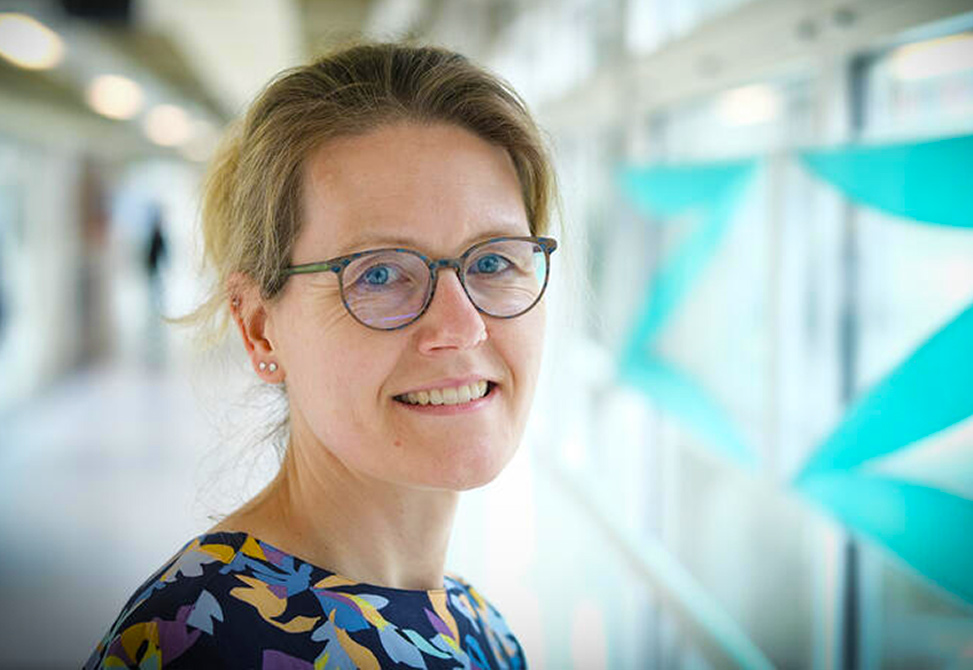
Professor Ingrid Dijkgraaf, Maastricht University.