Peptide Publications Archive
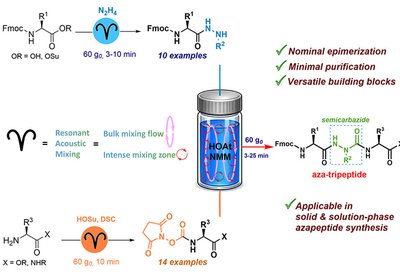
Scaling Azapeptides
Lubell Lab
A resonant acoustic mixing strategy solves long-standing problems in azapeptide synthesis, delivering scalable aza-tripeptide building blocks without epimerization, hydantoin formation, or chromatographic purification
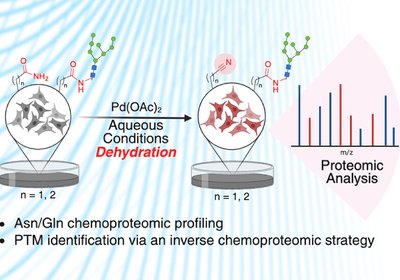
Amide Proteome Mapped
Raj Lab
A palladium-mediated dehydration reaction converts asparagine and glutamine amides to nitriles, opening nearly 9% of the human proteome to chemoproteomic interrogation for the first time...
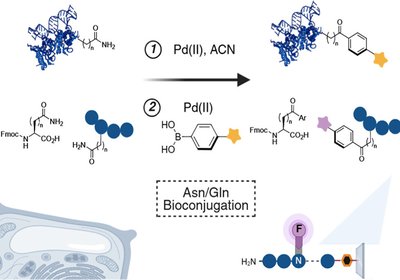
Silent Residues, Activated
Raj Lab
Asparagine and glutamine make up over 8% of the human proteome yet resist chemical modification — until now, when a palladium-mediated strategy converts their amide …
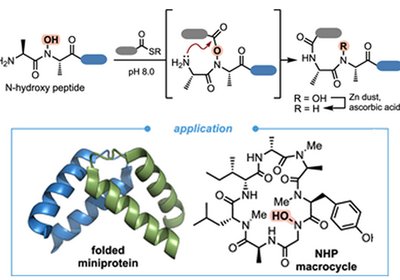
Backbone Bonds Unlocked
Del Valle Lab
A backbone hydroxamate group enables sequence-agnostic peptide ligation in water, bypassing thiolated amino acids and opening convergent routes to folded miniproteins and macrocyclic natural products
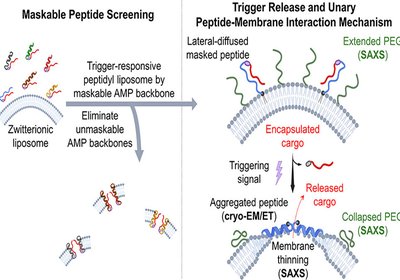
Masked Magainin
Lee Lab
Researchers supervised by Professor Hsien-Ming Lee at the Institute of Chemistry, Academia Sinica, Taipei, Taiwan, published in J. Am. Chem. Soc., screened nine cationic …
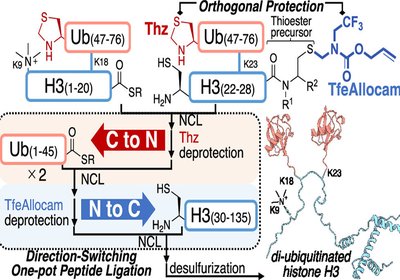
Switching Ligation Directions
Hayashi Lab
Researchers in the Hayashi, Murakami, and Okamoto Groups at Nagoya University and the University of Tokyo, published in the Journal of the American Chemical Society …
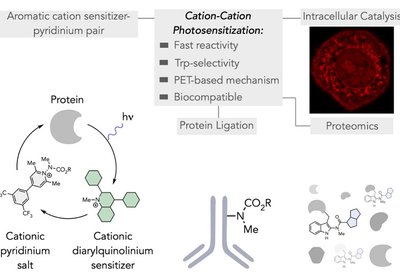
Light-Driven Ligation
Taylor Lab
A fully organic photosensitizer pair labels proteins inside living cells with 93% selectivity for tryptophan, reaching nuclear compartments without any metal catalyst
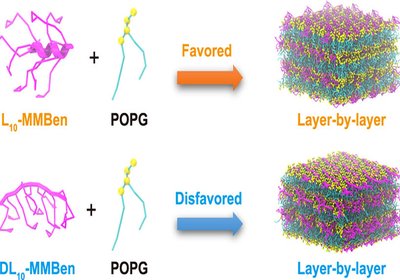
Helical Hierarchy
Xiao Lab
Researchers supervised by Professor Shiyan Xiao at the University of Science and Technology of China in Hefei, published in J. Am. Chem. Soc., studied …
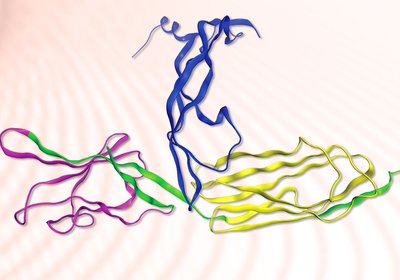
Coaxing New Vessels
Choi Lab
An AI-designed peptide mimics VEGF's receptor-activating power, accelerating wound closure in diabetic mice and raising hopes for a stable, tunable pro-angiogenic therapy
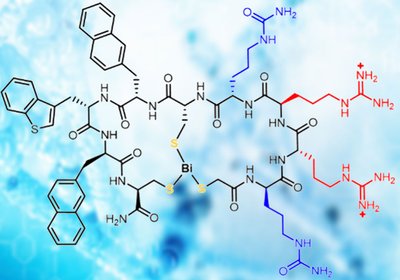
Losing the Charge
Pei Lab
A bicyclic peptide carrying just a +2 charge outperforms its highly cationic parent, upending the dogma that cell-penetrating peptides need dense positive charge to work

Templated Macrocycles
Wennemers Group
Researchers in the Wennemers Group at ETH Zürich, published in Science, developed a bifunctional tripeptide catalyst that templates head-to-tail macrocyclization through dual substrate engagement
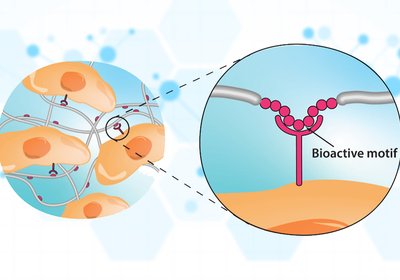
Designing Peptide Materials
López-Silva Group
Synergistic peptide cues, structural conformation, and stimulus-responsive chemistries let materials recapitulate the dynamic complexity of native tissue microenvironments
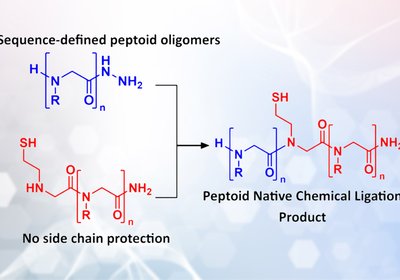
Peptoid Ligation
Kirshenbaum Group
Researchers adapt native chemical ligation to peptoid oligomers, enabling convergent synthesis of sequence-defined macromolecules and functional nanomaterials
Crystals Deliver Cargo
Chmielewski Lab
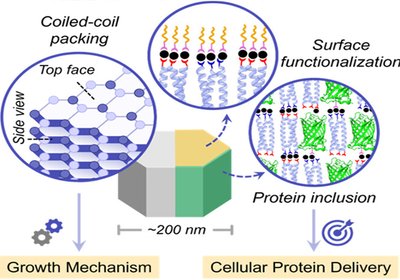
Ni(II)-assembled coiled-coil peptide nanocrystals pack hundreds of folded proteins and, when decorated with a TAT peptide, triple their intracellular delivery efficiency

Rippled Sheets
Nilsson Group
Enantiomeric peptide mixtures preferentially form rippled β-sheets over pleated structures, expanding design principles for next-generation biomaterials
Sugar's Hidden Hand
Pratt Lab
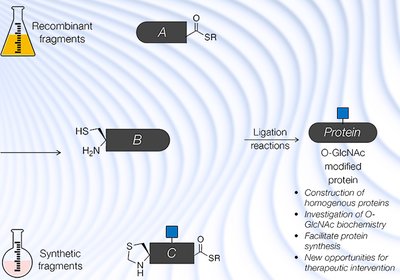
A single O-GlcNAc on α-synuclein forces a distinct amyloid strain that spreads far less pathology in neurons and mouse models than the unmodified protein
Charged Ring Entry
Kodadek Group
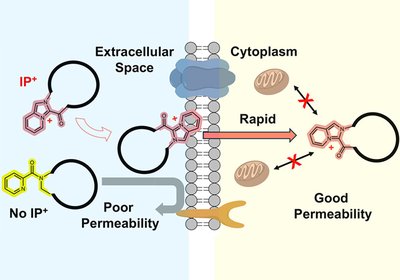
Grafting a permanent positive charge onto macrocyclic peptides drives passive membrane crossing in minutes, transforming a membrane-impermeable p53–MDM2 antagonist into a bioactive inhibitor without mitochondrial …
Triple Receptor Agonism
DiMarchi Group
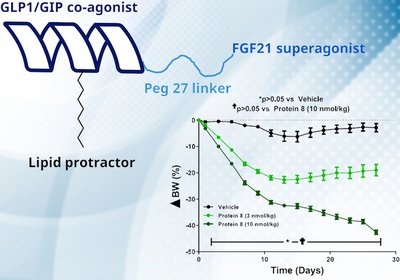
An engineered triple agonist targeting FGF21, GLP-1, and GIP receptors achieves near normalization of body weight in obese mice.
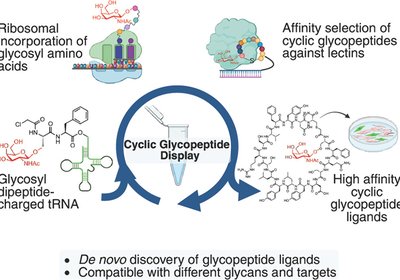
Sweet Reprogramming of the Ribosome
Payne Group
A dipeptide reprogramming trick lets ribosomes build glycopeptide libraries for the first time, yielding potent P-selectin inhibitors and a monomeric LYTAC alternative
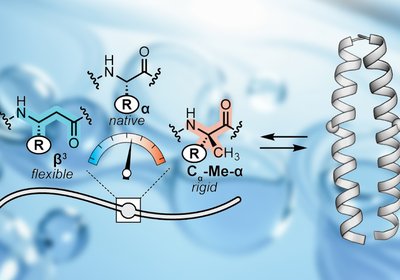
Engineering Disorder
Horne Group
Researchers in the Horne Group at the University of Pittsburgh, published in Biochemistry, set out to develop a systematic method for manipulating the unfolded …
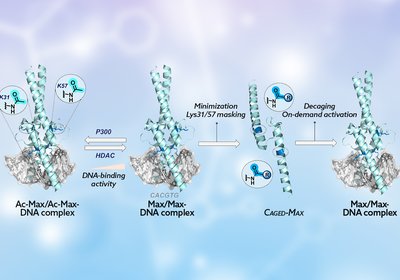
Switching Max On
Jbara Lab
A photocaged Max transcription factor sits dark and silent until a flash of UV light removes two chemical masks and restores full DNA-binding activity within …
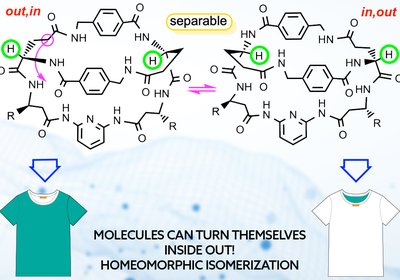
Inside-Out Peptides
Gladysz Group
Macrobicyclic peptides can flip inside-out via homeomorphic isomerization, creating distinct structures with different biological properties.
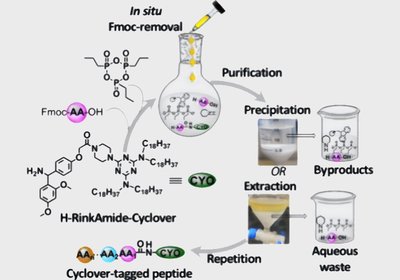
Greener Peptide Couplings
Albericio & de la Torre Group
Researchers in the Albericio & de la Torre Group at the University of KwaZulu-Natal, published in Organic Letters, introduced Cyclover as a commercially accessible …
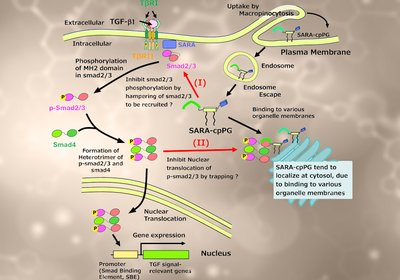
Blocking Nuclear Entry
Mizuno Group
Peptide-based therapeutics hold enormous promise for modulating intracellular signaling, but their impact has been limited by poor membrane permeability. Most peptide drugs remain confined to …