Peptide Publications Archive
Showing items in Antimicrobial Peptides · Clear filter
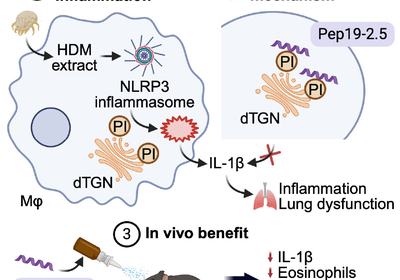
Golgi Ambush
Weindl and Schromm Groups
The NLRP3 inflammasome drives chronic inflammatory diseases from asthma to gout, yet most small-molecule inhibitors target the NLRP3 protein directly and carry adverse-effect profiles that …
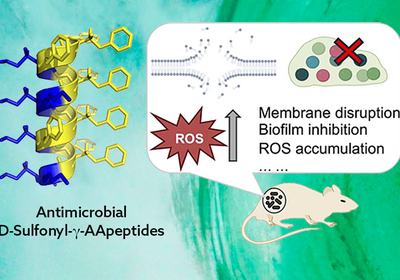
Foldamers Fight Resistance
Cai Lab
Natural antimicrobial peptides promise a way around drug resistance, but proteolytic instability and cytotoxicity have blocked their clinical path. A new class of right-handed D-sulfonyl-γ-AApeptide …
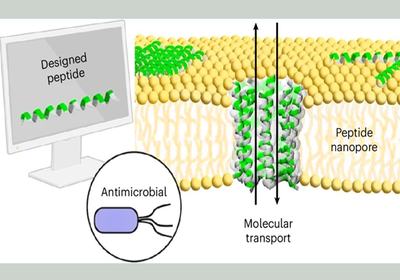
Pores by Design
Vácha Lab
Antibiotic-resistant bacteria are running out of places to hide. Researchers have now built a computational pipeline that designs synthetic peptides from scratch to punch stable, …
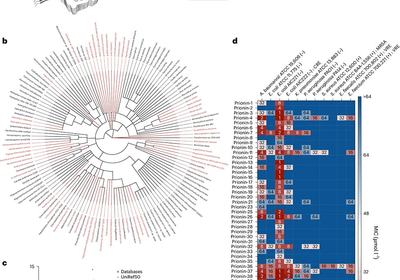
Prions Fight Back
de la Fuente Lab
Prion proteins are notorious for causing neurodegeneration, but a deep learning screen of nearly 20 million sequence fragments from prion-related proteins has uncovered more than …
Stability Meets Breadth
Koksch Lab
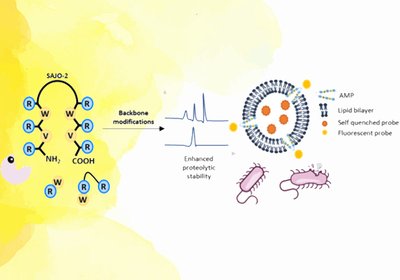
Antibiotic-resistant pathogens are outpacing conventional drugs, but antimicrobial peptides offer a structural solution. By swapping L-amino acids for their D-enantiomers and adding a pentafluorinated residue, …
Nucleopeptides Fight Resistance
Banerjee Lab
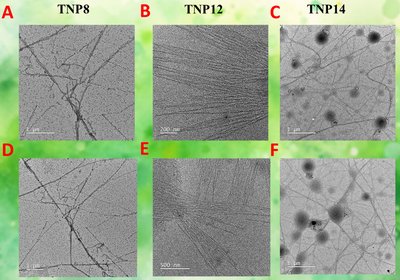
A set of thymine-conjugated nucleopeptides, engineered with fatty acyl chains of varying length at the C-terminus, self-assembles into nanofibers and kills multidrug-resistant bacteria and fungi …
Parasite-Derived Defenders
Cardoso Lab
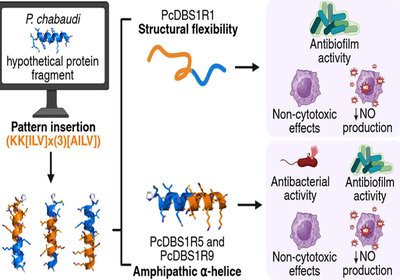
A protein fragment from the malaria parasite Plasmodium chabaudi holds little obvious therapeutic promise, yet a computational algorithm turned it into three peptides that disrupt …
Beyond the Membrane
Marcotte Lab
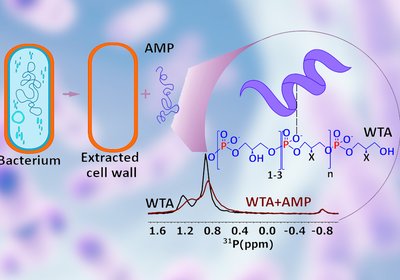
Researchers supervised by Professor Isabelle Marcotte at the Université du Québec à Montréal, published in J. Am. Chem. Soc., investigated three amphibian-derived AMPs with …
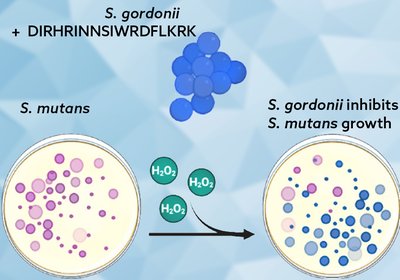
Bacterial Crosstalk
Bertucci & Tal-Gan Labs
In a study published in ACS Infectious Diseases, researchers from the Tal Gan Group at the University of Nevada at Reno, and The Bertucci …
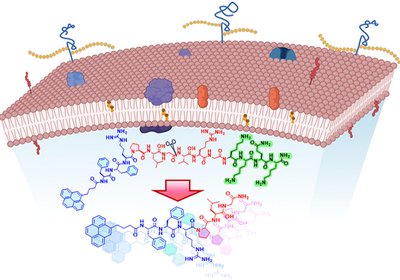
Gelatinase Targeting
Amitava Lab
Antibiotic resistance in Staphylococcus aureus thrives on biofilm fortifications and membrane resilience, which blunt broad-spectrum drugs and damage commensal flora. A modular short peptide, Py-FGGK, …

Aquaporin Bridge
Wang Lab
Researchers from the Wang Group at the School of Life Sciences, Shandong University, China, report in PNAS a mechanistic bridge between two pillars of arthropod …
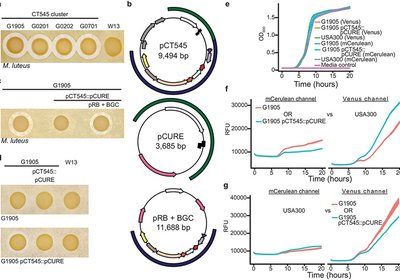
Peptide Portals
Otto Lab
For decades, antimicrobial peptides, AMPs, have stood at the crossroads between innate immunity and drug discovery, yet their molecular diversity remains incompletely explored. Dickey, Otto, …
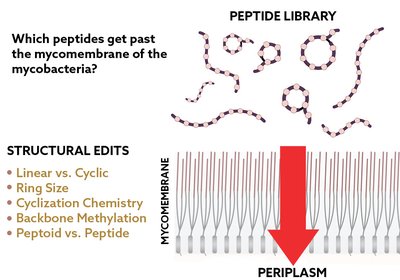
Barrier Crossing
Pires Lab
Tuberculosis, TB, remains one of the most pressing global health threats, with more than ten million cases reported in 2022. Once thought to be in …
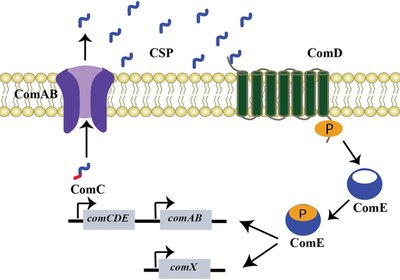
Quorum Sensing Redux
Tal-Gan Lab
Streptococcus constellatus, a member of the Streptococcus anginosus group, SAG, is an opportunistic pathogen commonly found in the human oral and gastrointestinal microbiota. While …
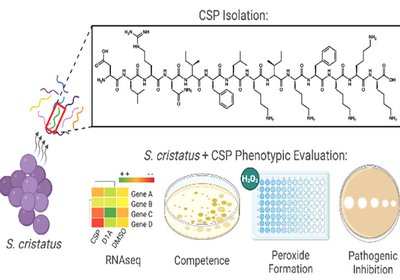
Quorum Sensing
Tal-Gan Lab
Streptococcus cristatus, a commensal member of the oral microbiota and recently reclassified from Streptococcus oligofermentans, has emerged as a promising candidate in the …

Antimicrobial Peptide
D'Amelio Lab
As antibiotic resistance surges worldwide, the search for effective new therapeutics has led scientists to a surprising source: the venom of Bungarus fasciatus, the …
Vancomycin–Teixobactin
Nowick Lab
Vancomycin, a cornerstone antibiotic for Gram-positive infections, faces diminishing efficacy due to the emergence of vancomycin-resistant Enterococci, VRE, and vancomycin-resistant...