

News and Research Archive
Photoclick Bicycles
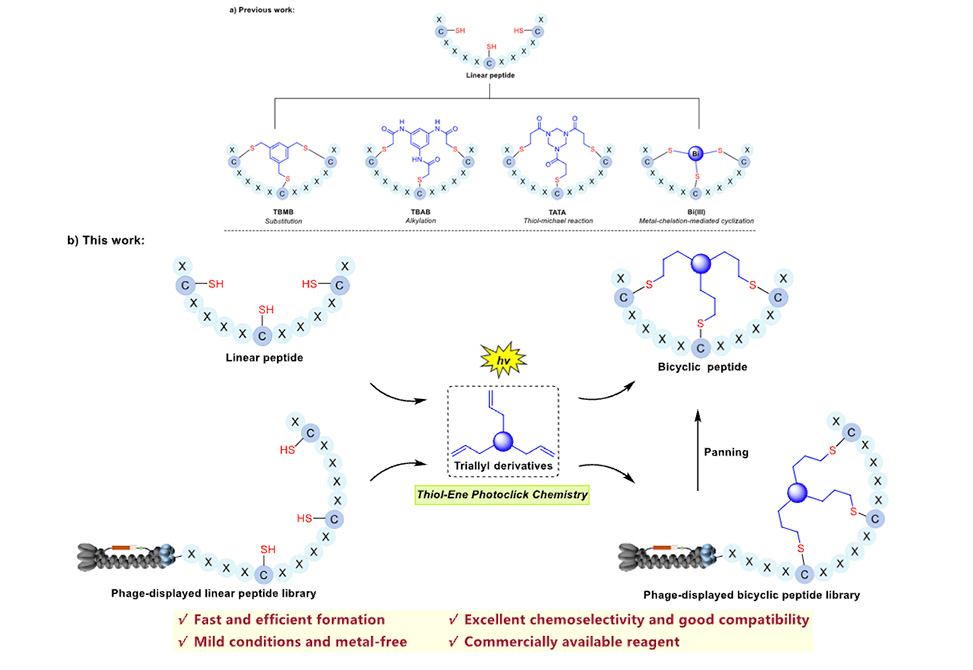
Reflecting recent work in the Lei lab
Bicyclic peptides offer exceptional promise for targeting protein-protein interactions, combining the conformational rigidity needed for high-affinity binding with improved metabolic stability. Yet their construction remains problematic. Conventional crosslinking...
Modeling Selectivity
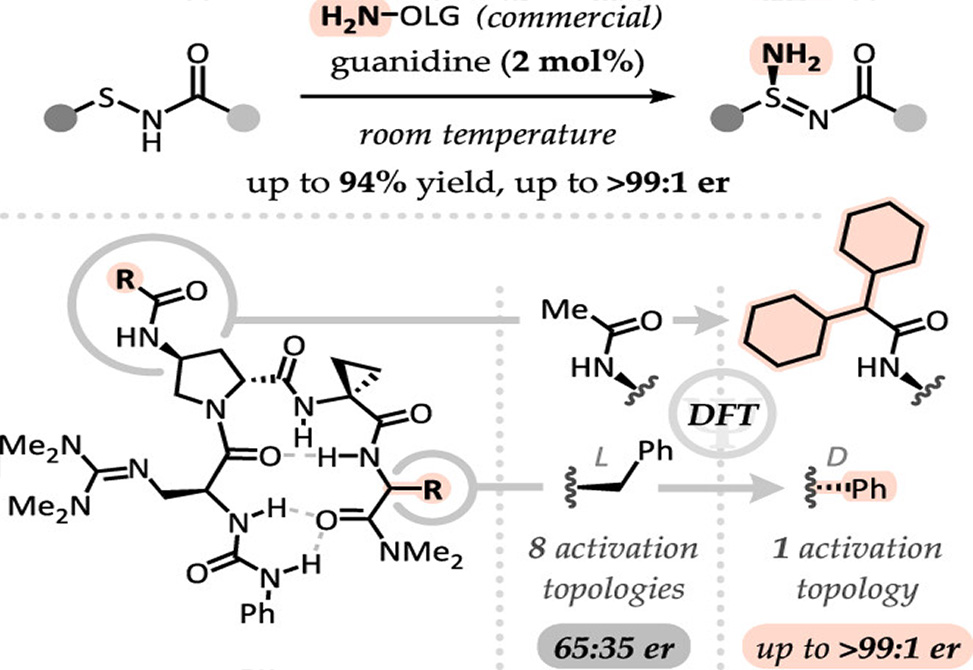
Reflecting recent work in the Miller lab
Chiral sulfur compounds are gaining traction in drug discovery. Unlike their achiral counterparts, molecules with stereogenic sulfur centers often show improved potency and selectivity. IFM Therapeutics recently demonstrated this principle...
Helical Hijackers
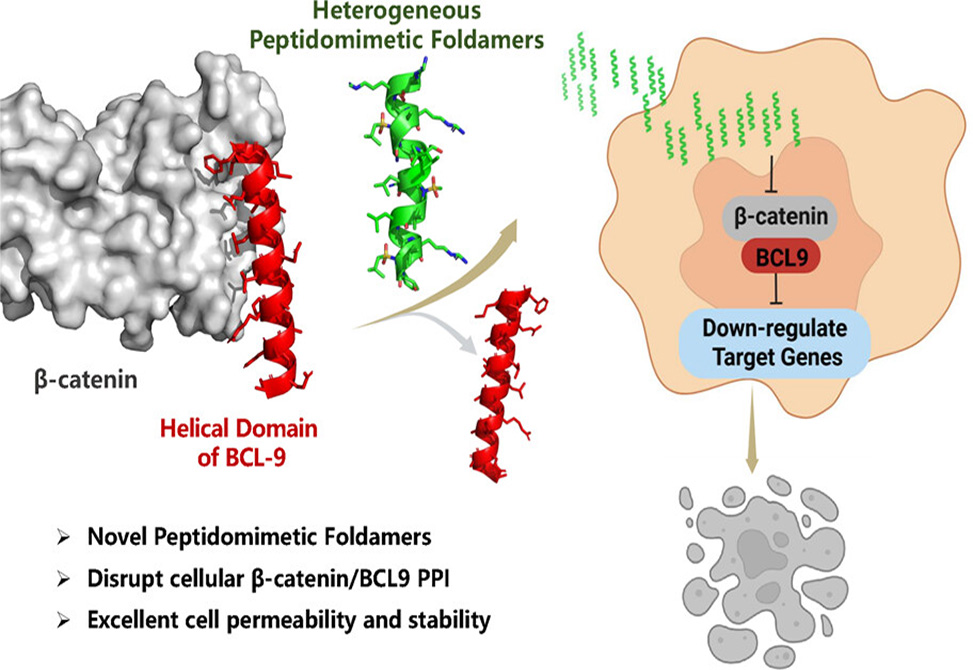
Reflecting recent work in the Cai lab
The Wnt/β-catenin signaling pathway governs embryonic development, stem cell maintenance, and tissue homeostasis. When aberrantly activated, it drives colorectal cancer and other malignancies. Inside the nucleus, β-catenin assembles...
Masked Sugars
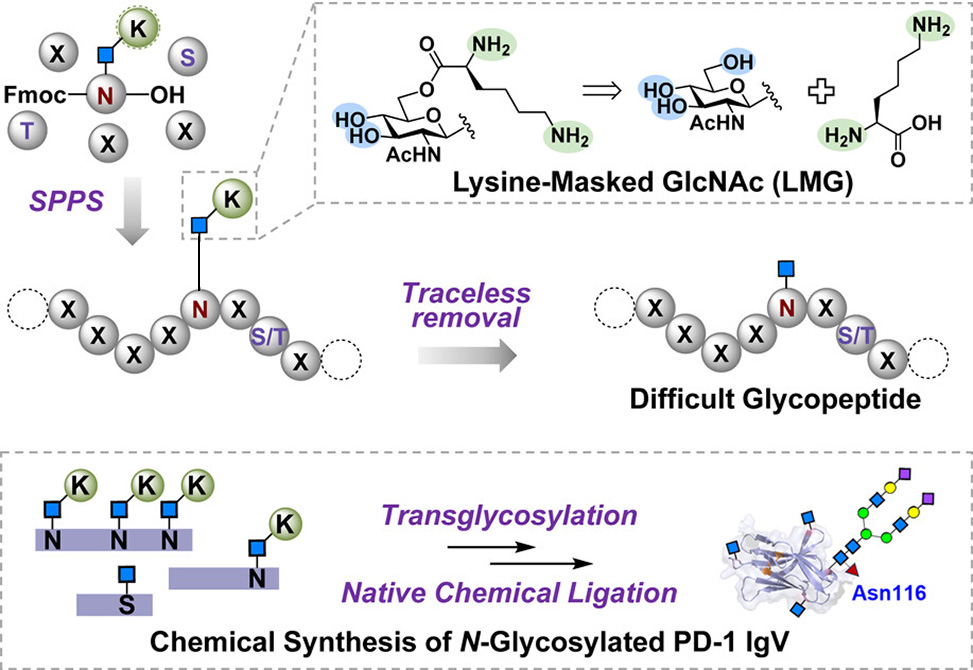
Reflecting recent work in the Dong lab
Chemical synthesis provides atomic-level control over glycoprotein structure, yet hydrophobic sequences often aggregate before chemists can purify or ligate them. This problem may intensify for some sequences bearing ...
Optimizing Peptide Switches

Reflecting recent work in the Maly lab
Chemically-controlled genetic tools allow researchers to switch cellular processes on or off with small molecules, offering precise temporal and dose-dependent control. While chemically-inducible dimerization systems are well established, their conceptual inverse, chemically-disrupted proximity, CDP, systems, remain less developed...
Gelatinase Targeting
Reflecting recent work in the Amitava lab
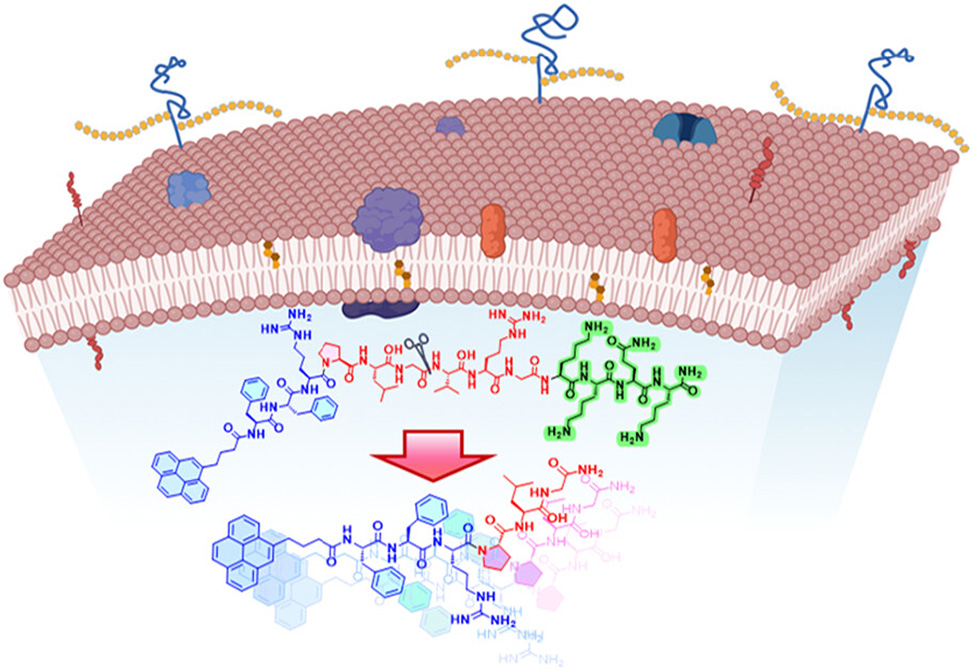
Antibiotic resistance in Staphylococcus aureus thrives on biofilm fortifications and membrane resilience, which blunt broad-spectrum drugs and damage commensal flora. A modular short peptide, Py-FGGK, answers that challenge by...
β-Hairpin Oligomers
Reflecting recent work in the Nowick lab
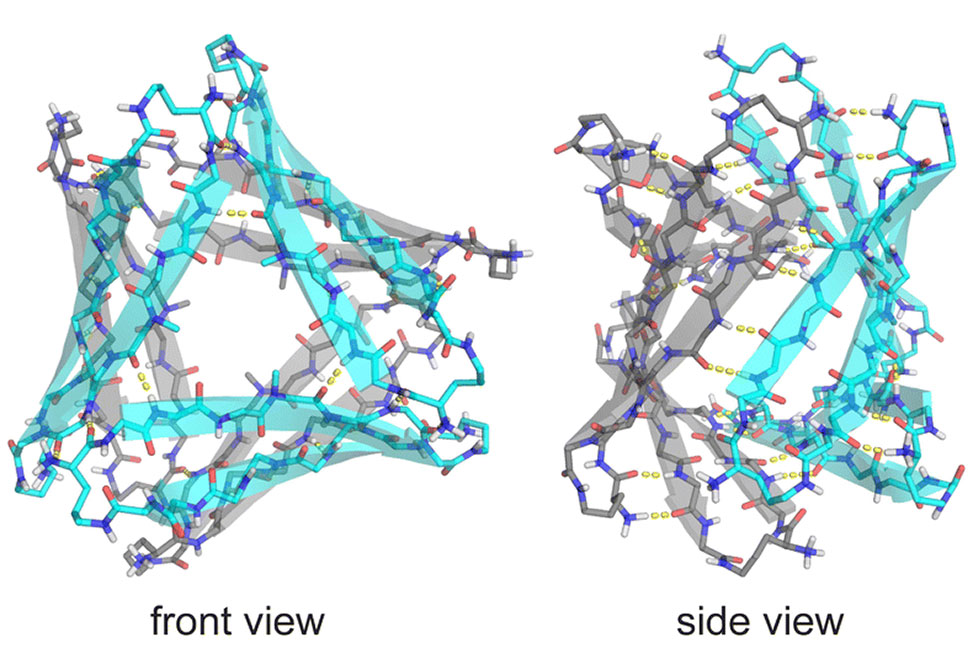
Researchers in the Nowick Group at the University of California Irvine, reveal how a designed β-hairpin peptide derived from amyloid-β, Aβ, crosses the boundary from disordered aggregation to a defined asymmetric hexamer–dodecamer assembly, illuminating molecular rules that shape Aβ oligomers in Alzheimer’s disease...
Taming Arginine
Reflecting recent work in the Raj lab
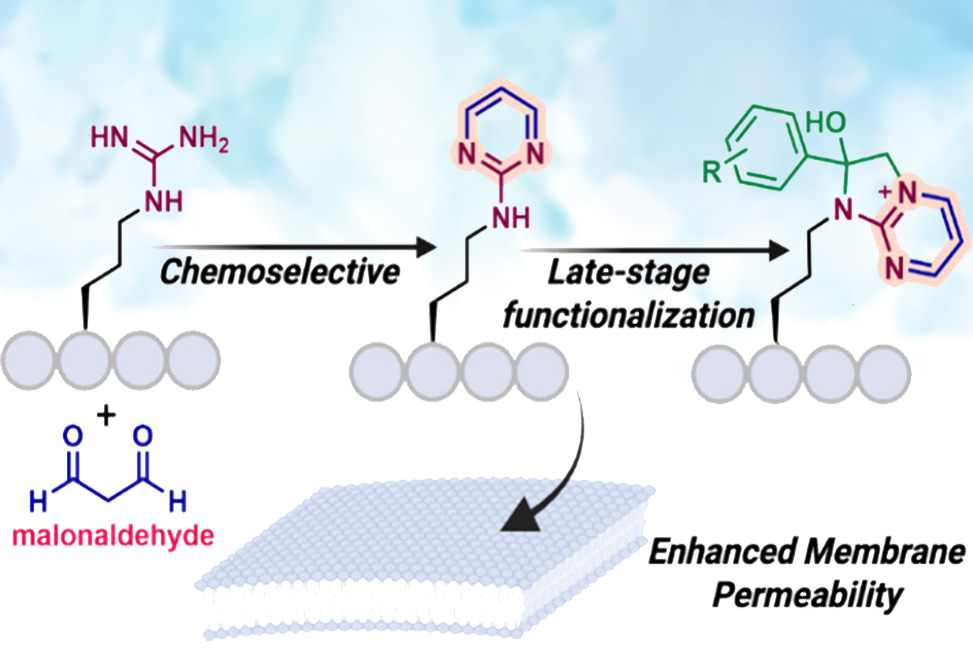
Selective modification of amino acid side chains has become a central strategy for expanding peptide function beyond the limits of ribosomal chemistry. Yet one residue remains notably resistant to this creativity. Arginine, which contributes nearly six percent of residues in proteins...
Iodo Quantification
Reflecting recent work in the Lilienkampf lab
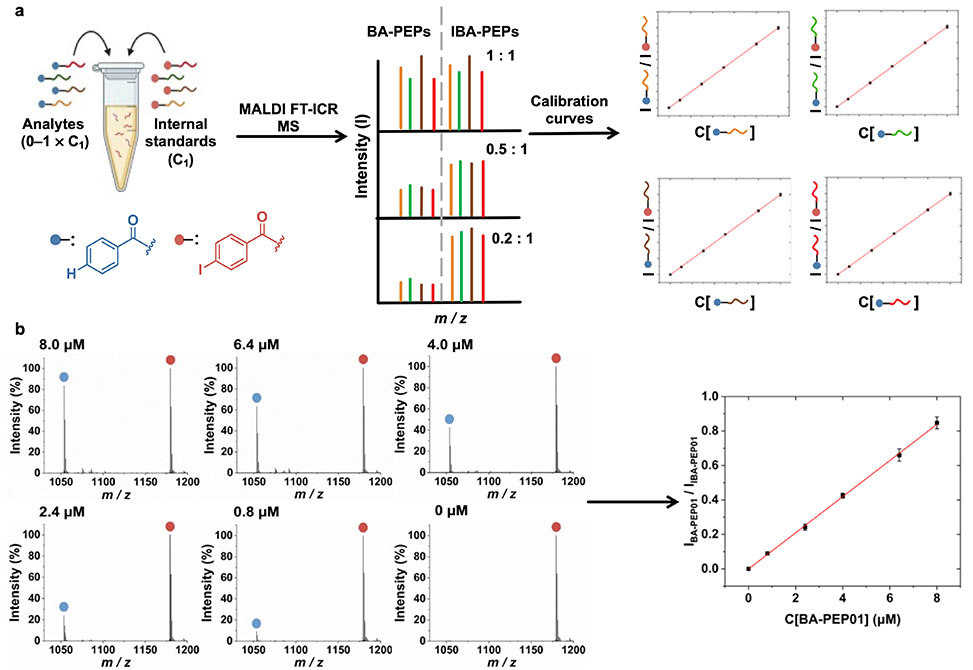
In work published in ACS Chemical Biology, David J. Clarke, Annamaria Lilienkampf, and collaborators from the University of Edinburgh, introduce an iodo based labeling strategy that converts matrix assisted laser desorption...
TCR Peptide Design
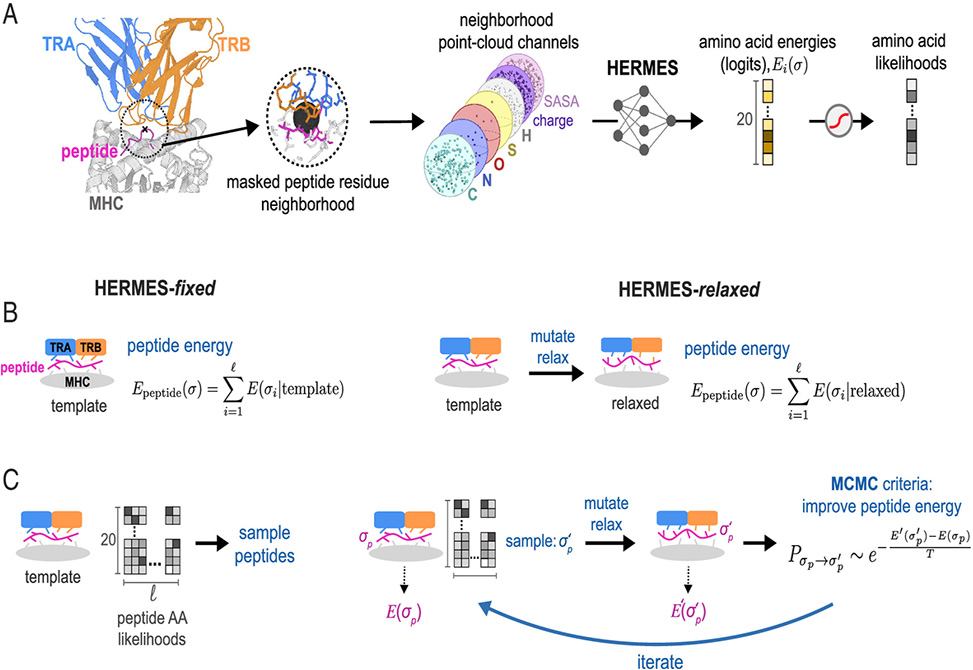
Reflecting recent work in the Nourmohammad lab
In work published in PNAS, Visani and colleagues from the University of Washington, introduce a structure-aware machine learning approach that forecasts TCR–peptide–MHC interactions and designs new immunogenic peptides that trigger T cell responses...
Docking Bias
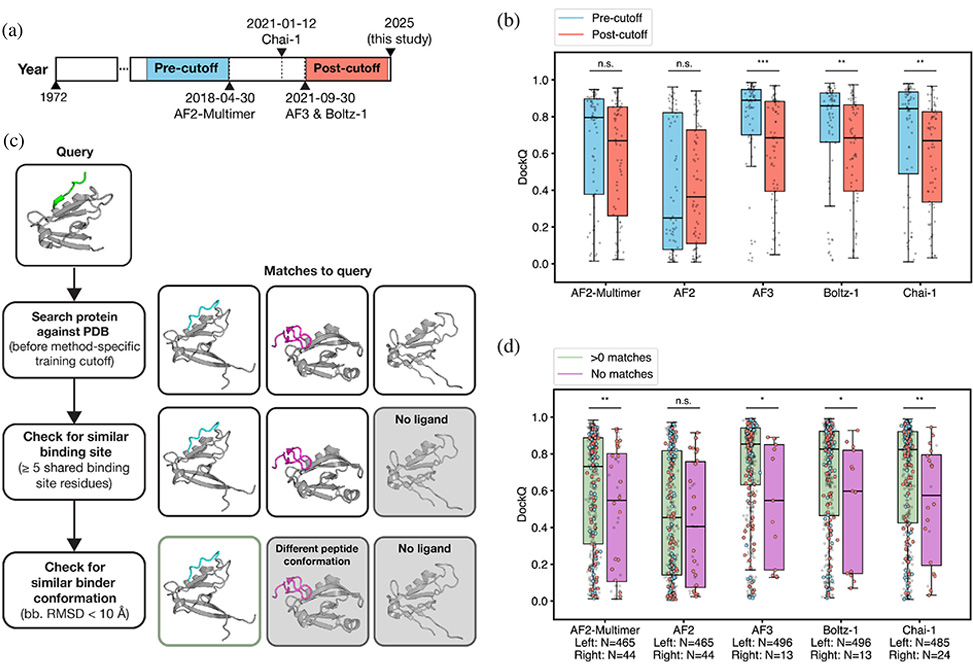
Reflecting recent work in the Keating lab
Deep-learning structure predictors now place many peptides correctly onto their protein partners, and this recent work from Lindsey Guan and Amy Keating at the Massachusetts Institute of Technology, published in Protein Science, explains...
Dilp Divergence
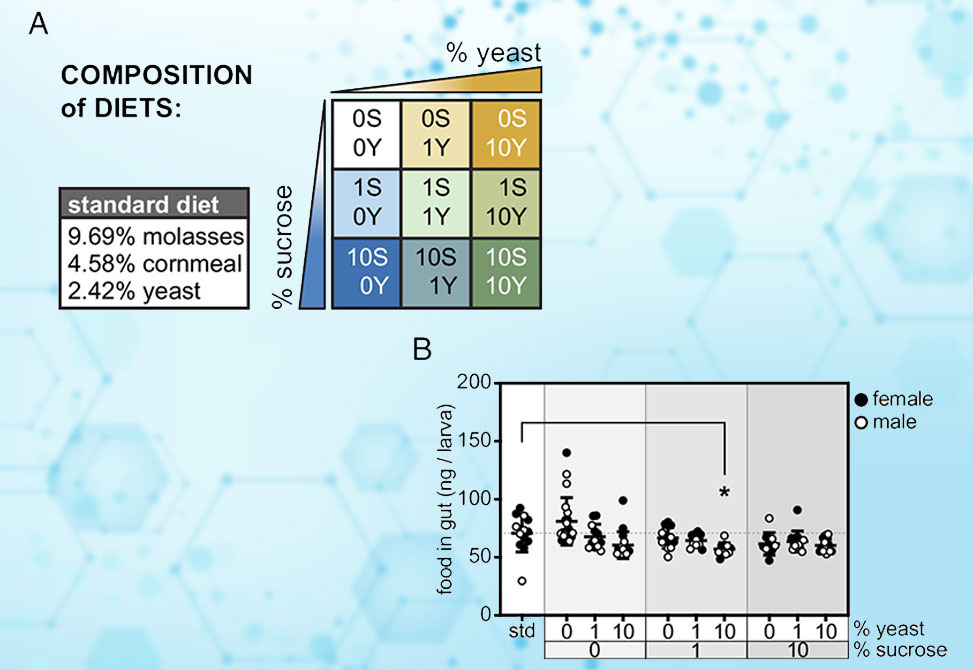
Reflecting recent work in the Bland lab
Insulin-like peptides orchestrate how animals apportion nutrients between storage and growth, yet distinct ligands may encode different cues even when signaling through a single receptor. In this study, researchers in Michelle Bland's Group at the University of Virginia, published in PNAS...
Affinity Landscapes

Reflecting recent work in the Bussemaker lab
A collaborative study from the Bussemaker and Shah Groups at Columbia University, published in Protein Science, establishes an integrated experimental–computational framework, built on massively diverse peptide-display libraries...
Sequence Hydrophobicity
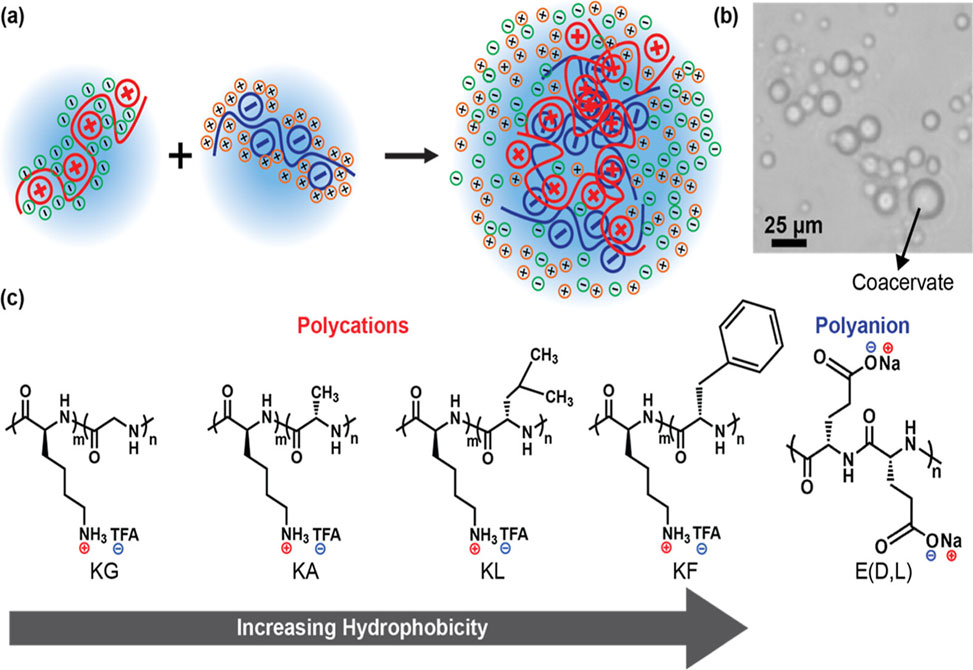
Reflecting recent work in the Perry lab
In this study, published in Biomacromolecules, researchers in Sarah Perry's group at the University of Massachusetts - Amherst, employ sequence-defined polypeptides as minimal models of IDP-like LLPS, using complex coacervation...
Aquaporin Bridge

Reflecting recent work in the Wang lab
Researchers from the Wang Group at the School of Life Sciences, Shandong University, China, report in PNAS a mechanistic bridge between two pillars of arthropod antibacterial defense. Their study shows...
Alkyne Grasp
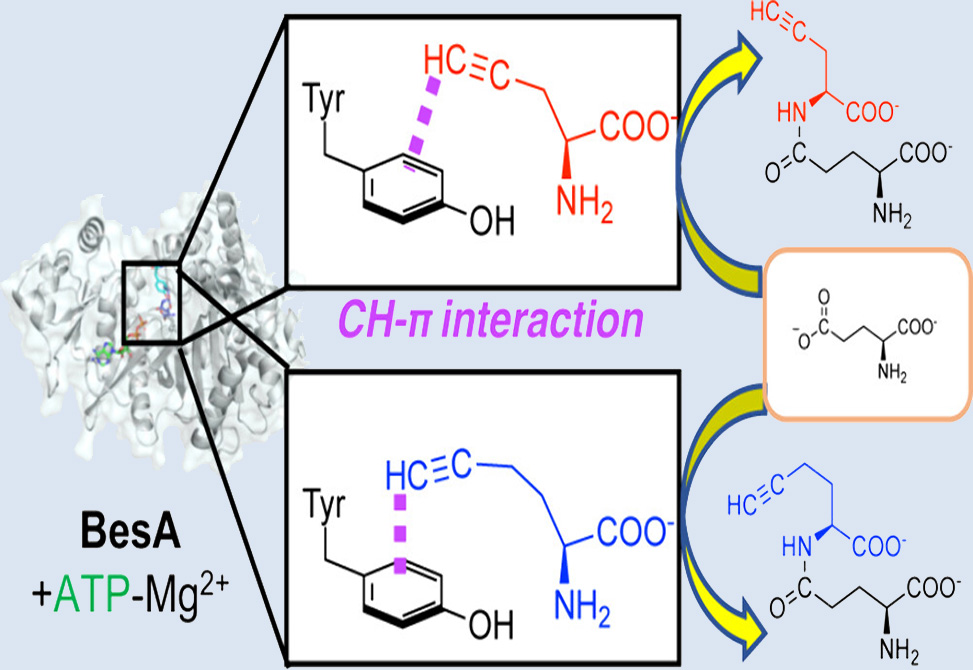
Reflecting recent work in the Fujishiro lab
ATP-grasp ligases offer a powerful route to diversify peptide structures, and BesA stands out for its ability to incorporate terminal alkyne groups into dipeptides with high specificity. By dissecting BesA’s catalytic mechanism and engineering substrate tolerance...
Peptide Portals
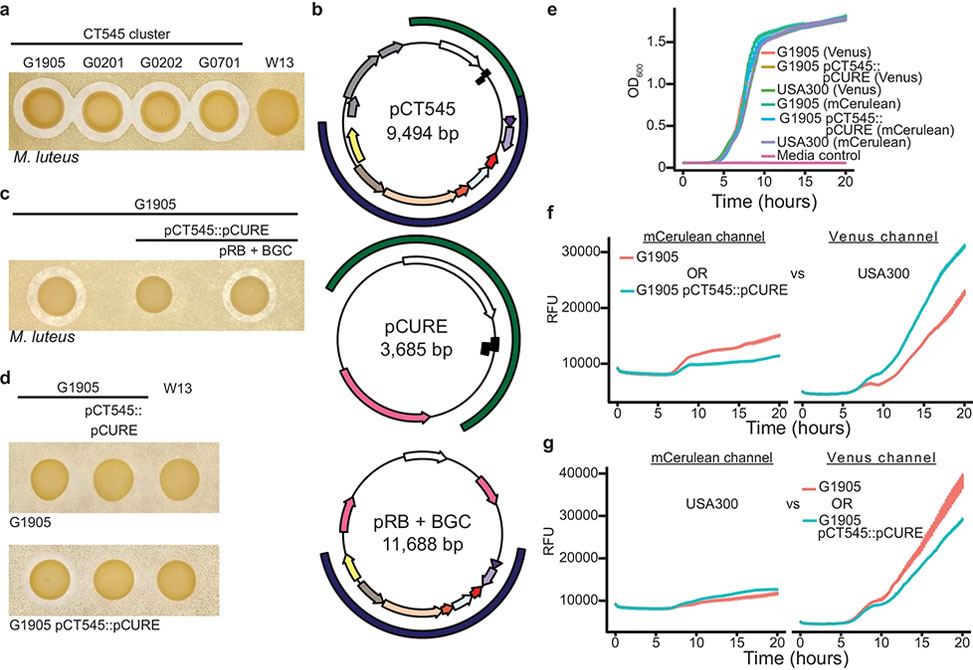
Reflecting recent work in the Otto lab
For decades, antimicrobial peptides, AMPs, have stood at the crossroads between innate immunity and drug discovery, yet their molecular diversity remains incompletely explored. Dickey, Otto, and collaborators...
Glycan–Metal Synergy
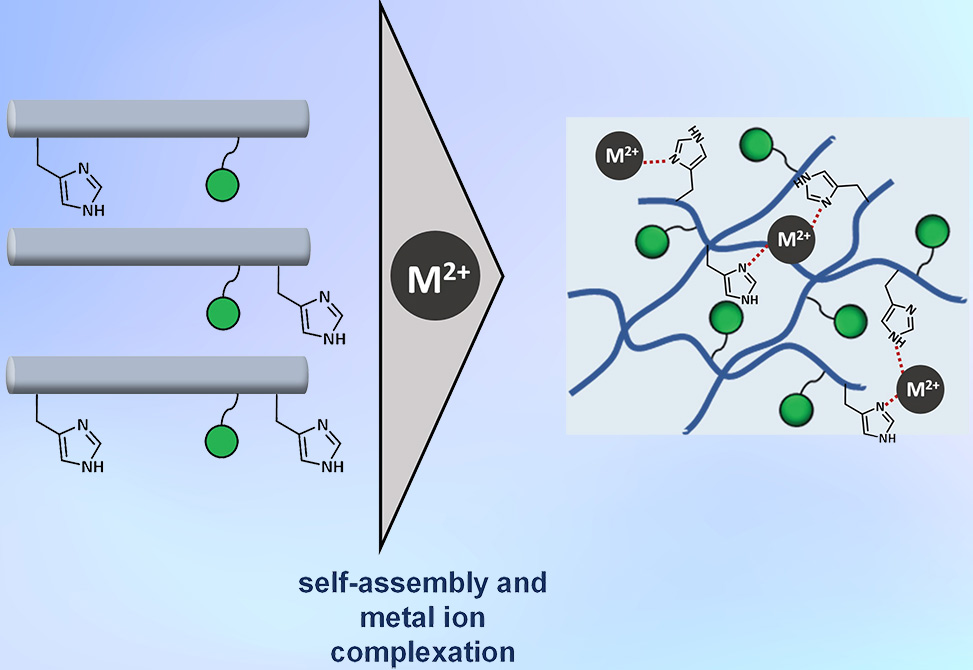
Reflecting recent work in the Koksch lab
Hydrogels, highly hydrated polymer networks, underpin both natural barriers such as mucus and numerous biomedical applications. Mucins, the glycoprotein constituents of mucus, achieve their viscoelasticity through peptide backbones enriched in proline, threonine...
Phosphine Rebridging
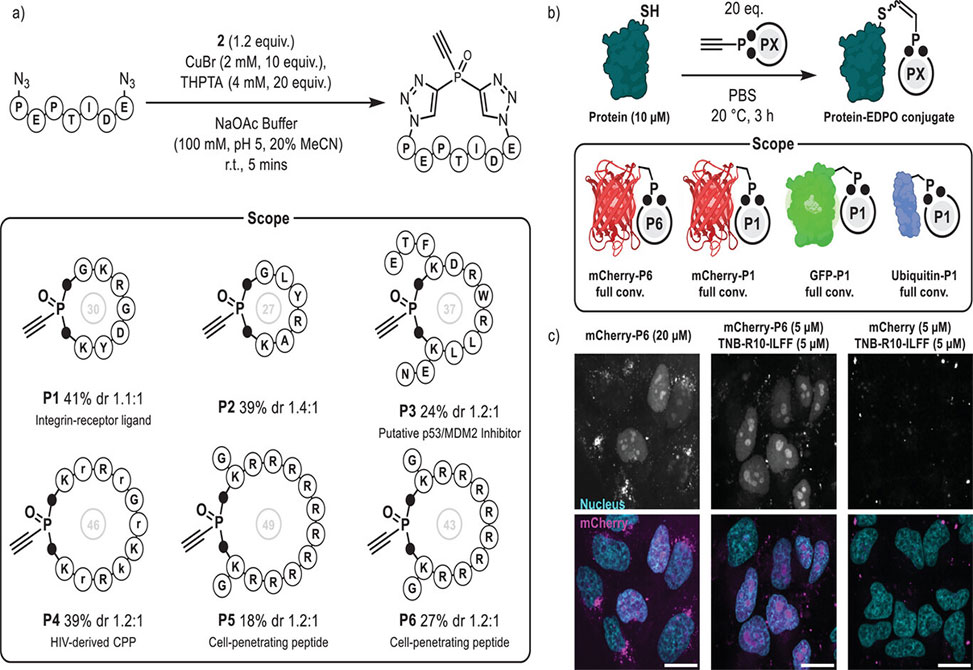
Reflecting recent work in the Hackenberger lab
Published in Angewandte Chemie International Editition, researchers from the Hackenberger Lab at the Humboldt-Universität in Berlin, present a powerful new class of phosphine oxide–based reagents for chemoselective protein modification...
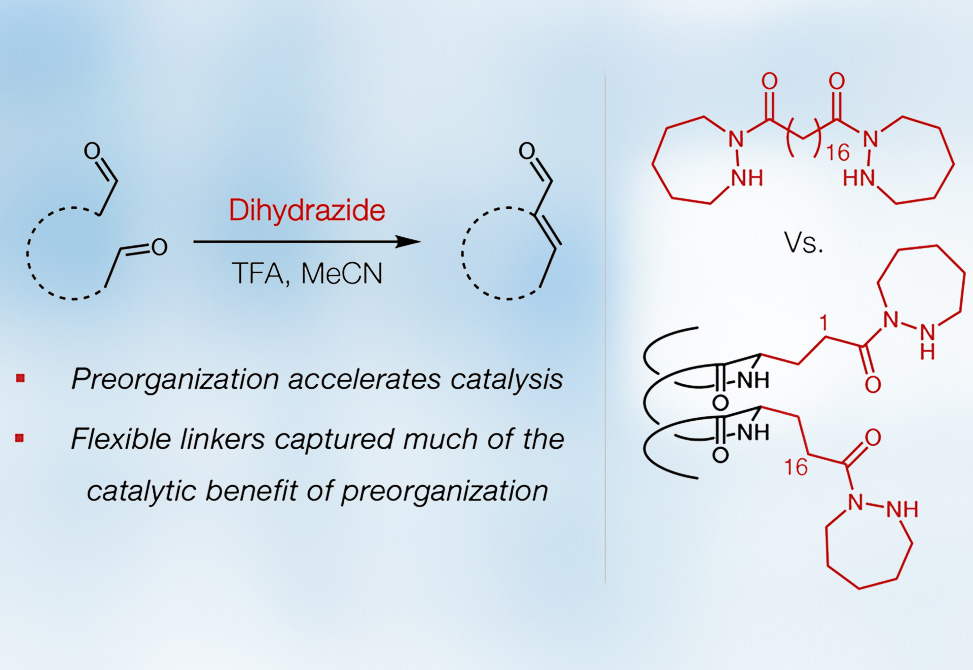
Helical Hydrazides
Reflecting recent work in the Gellman lab
Seeking to understand the relative kinetic benefits of reactive unit connection and preorganization, researchers from the Gellman Lab at the University of Wisconsin–Madison investigated α/β-peptide foldamers containing a preorganized hydrazide diad...
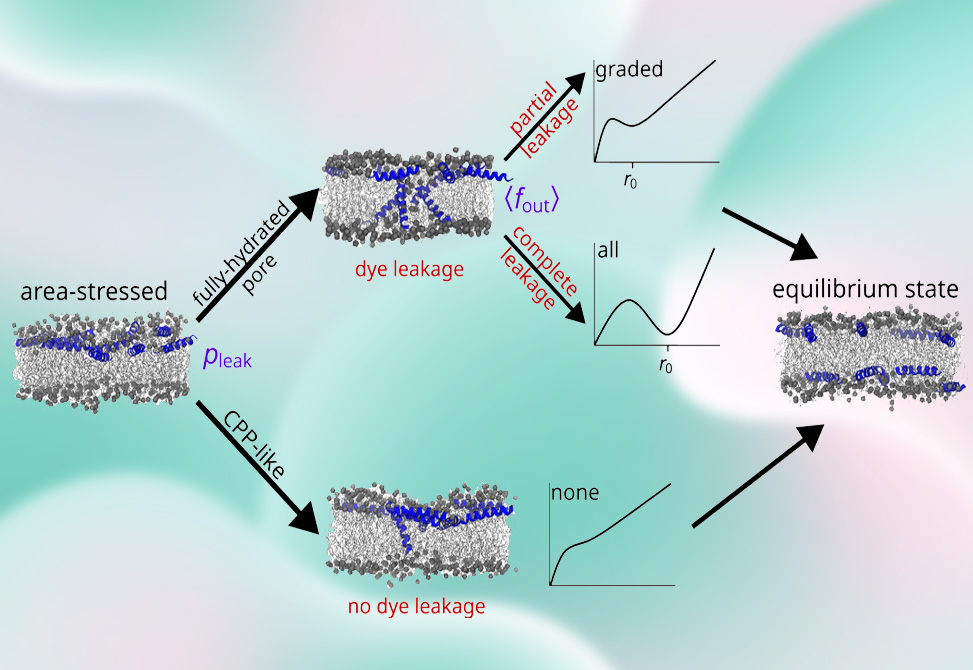
Ephemeral Pores
Reflecting recent work in the Pastor lab
In a PNAS study, researchers from the Pastor group at the National Institutes of Health, NIH, and the Cotten group at Oregon State University present a combined experimental/simulation framework using the AMP piscidin-1...
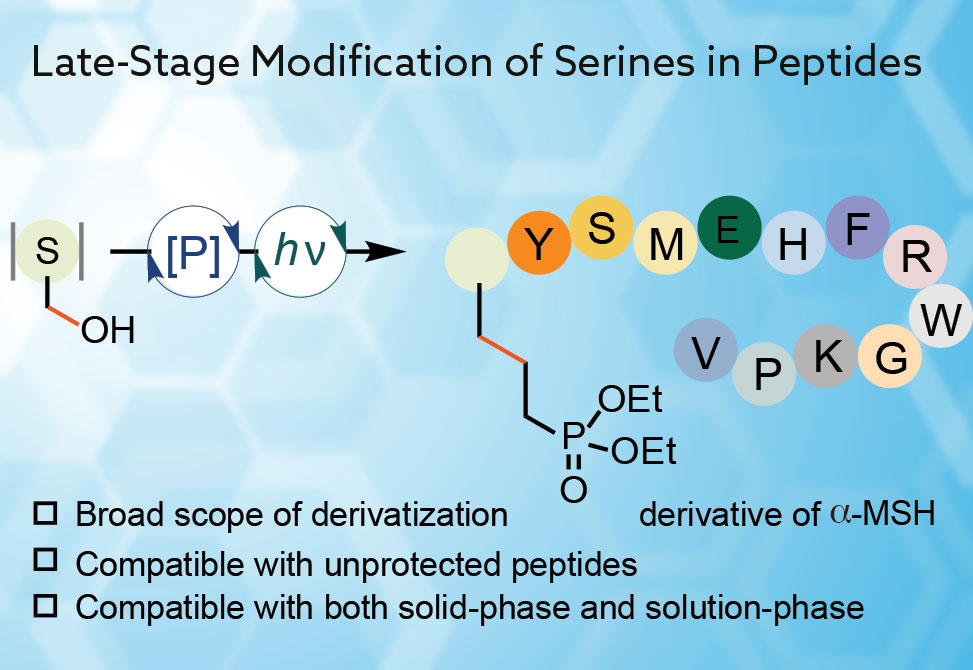
Serine Switch
Reflecting recent work in the Diao lab
Published in the Journal of the American Chemical Society, work by first author Zhenyan Guo in the Diao Lab at the New York University, delivers a chemoselective solution to a long-standing gap: late-stage modification of native serine via carbon–carbon...
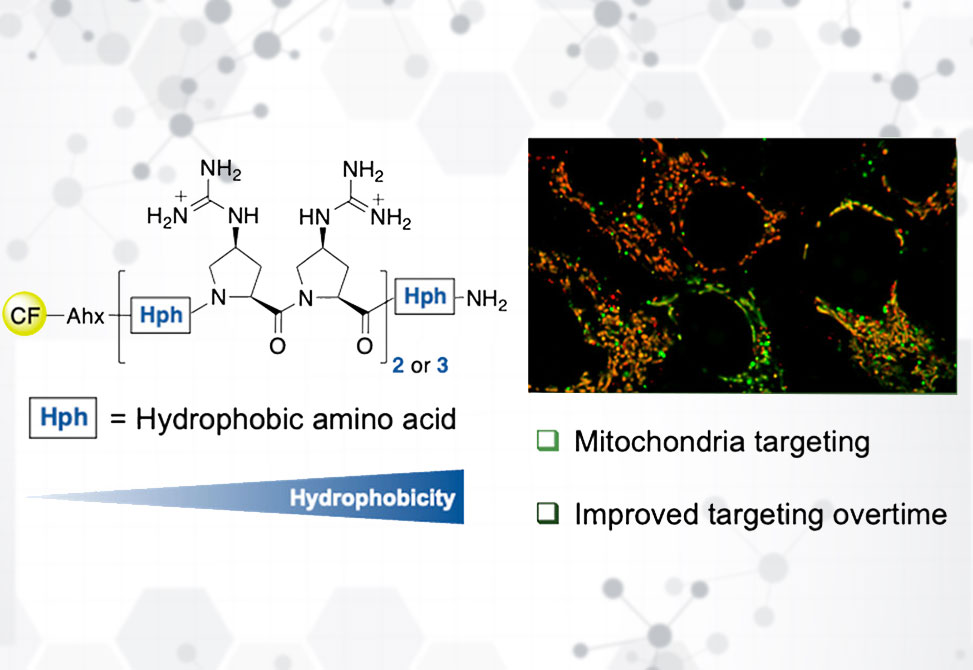
Mitochondrial Click
Reflecting recent work in the Wennemers lab
In work published in ACS Chemical Biology, Adeline Schmitt, under the guidance of Helma Wennemers at ETH Zürich, investigated rigid polyproline II, PPII, helical scaffolds containing guanidinium-proline, Gup, residues patterned with hydrophobic groups to tune amphipathicity and uptake...
Copper Clicks
Reflecting recent work in the Metanis lab
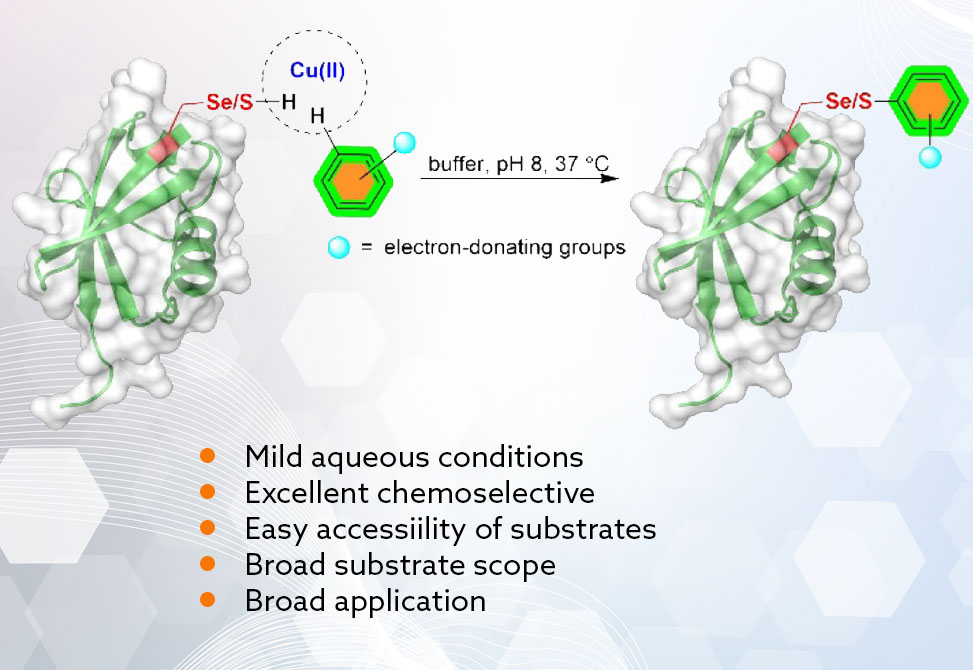
In a collaborative work between the Metanis and Shimon labs at the Hebrew University of Jerusalem, and the Wang group at the Xiamen University in China, published in the Journal of the American Chemical Society, a copper-mediated approach is introduced...
Photoregulated Catalysis
Reflecting recent work in the Bandyopadhyay lab
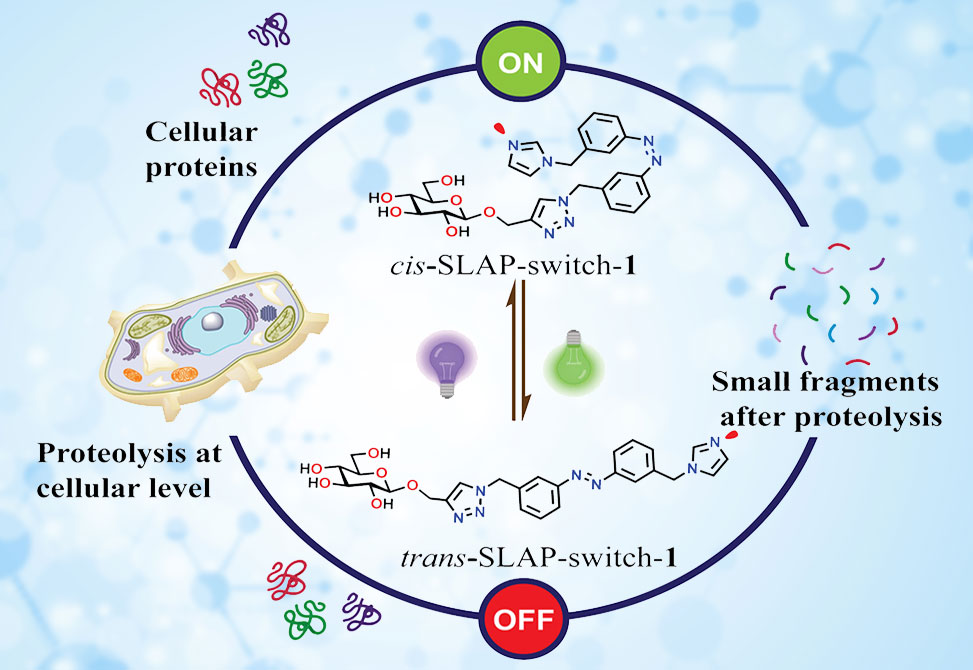
Precise external regulation of enzymatic activity remains a central goal in chemical biology, with wide-ranging implications for biotechnology, diagnostics, and medicine. Natural proteases govern countless biological processes, yet their lack of...
Lanthipeptide Modeling
Reflecting recent work in the Walker lab
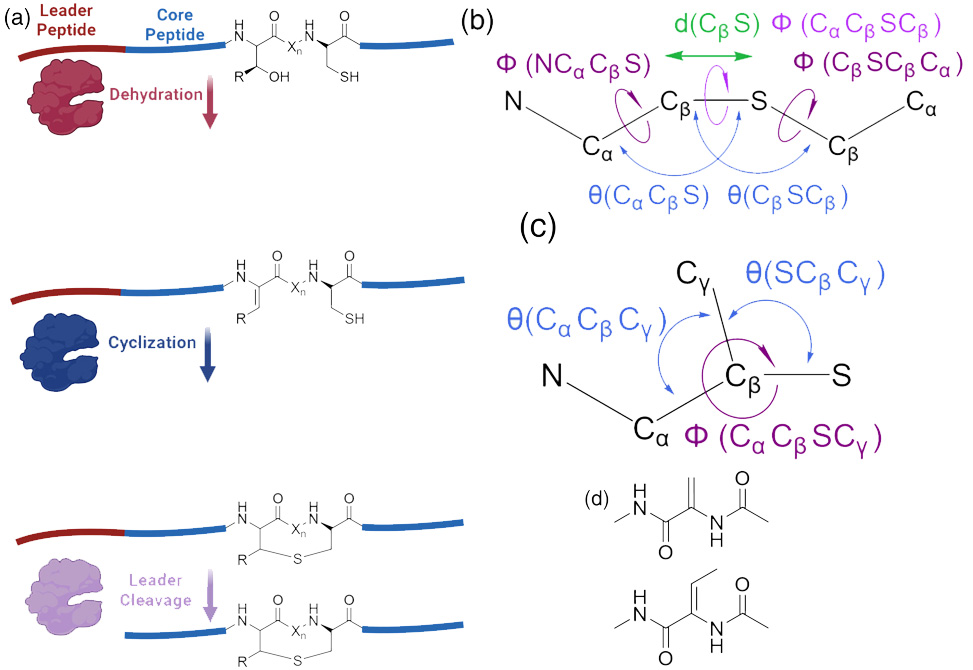
Lanthipeptides, the thioether-crosslinked members of the RiPP family, are compelling antibiotic scaffolds. Yet, they have remained largely outside the reach of structure-based design. Standard modeling tools, for example, Rosetta...
Covalent Peptide Libraries
Reflecting recent work in the Bode lab
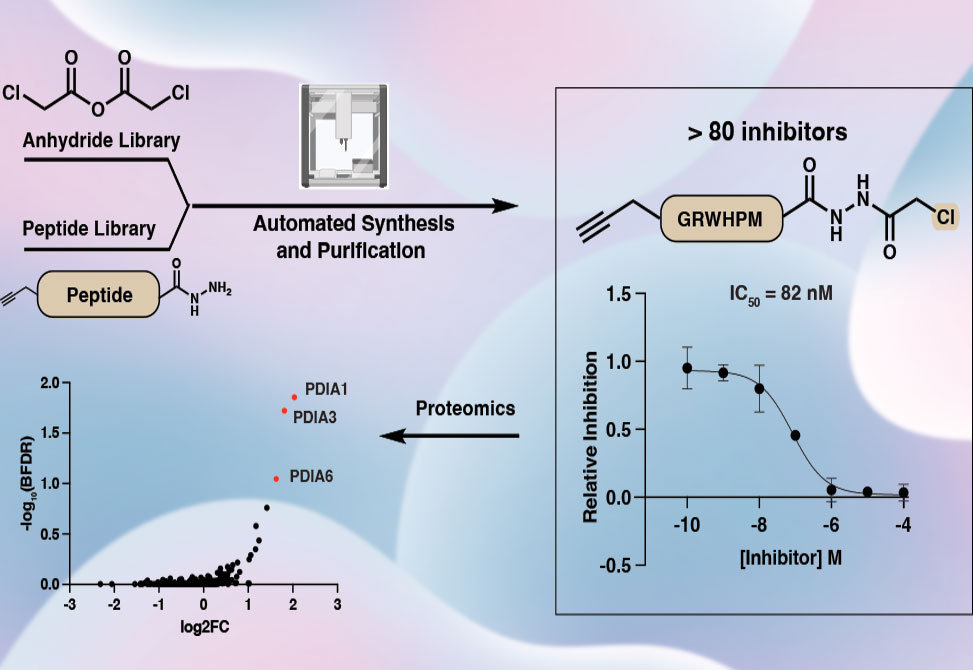
Covalent inhibitors provide potent and durable target engagement, with approved drugs such as ibrutinib and osimertinib validating the approach. These compounds exploit electrophilic warheads to irreversibly or reversibly engage nucleophilic residues, most often...
Spike Peptide Amyloids
Reflecting recent work in the Legleiter lab
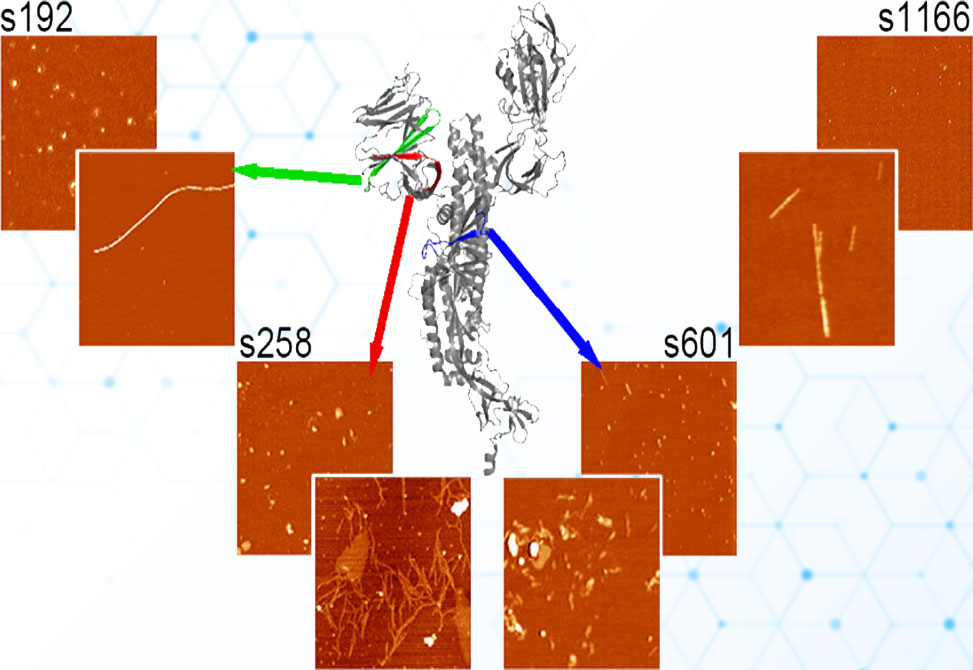
SARS-CoV-2 spike protein fragments are known to form amyloid fibrils, but far less is understood about the prefibrillar states that emerge along the way, or how those intermediates interact with lipid membranes in ways that could drive toxicity. In a study published in Biochemistry, researchers in the Legleiter lab...
Engineered Lasso Peptides
Reflecting recent work in the Burk lab
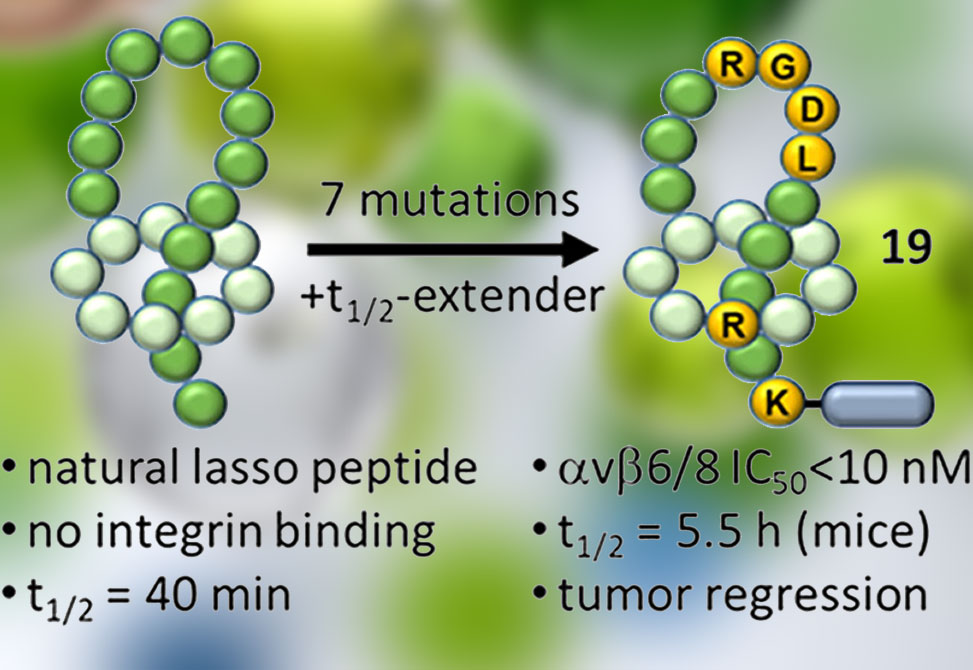
A major barrier to durable responses with PD-1/PD-L1 checkpoint inhibitors is the activation of immunosuppressive TGF-β within the tumor microenvironment. This immunosuppression is driven in large part by the RGD-binding integrins αvβ6 and αvβ8, which are upregulated across many solid tumors. Direct systemic blockade of TGF-β has proven toxic...
Peptide Aggregation Blockers
Reflecting recent work in the Wright lab
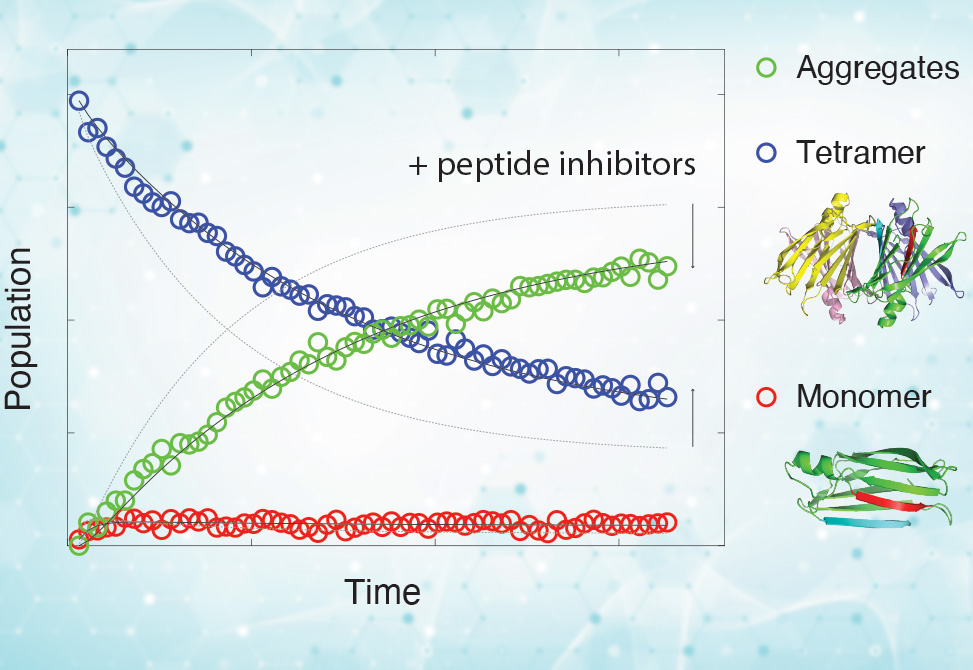
The misfolding and aggregation of transthyretin, TTR, a serum protein responsible for transporting thyroxine and retinol binding protein, underlies a class of amyloid diseases that include TTR cardiomyopathy and polyneuropathy. In these disorders, the native tetrameric structure of TTR becomes destabilized...
HDAC-Mediated Lactylation
Reflecting recent work in the Goldberg lab
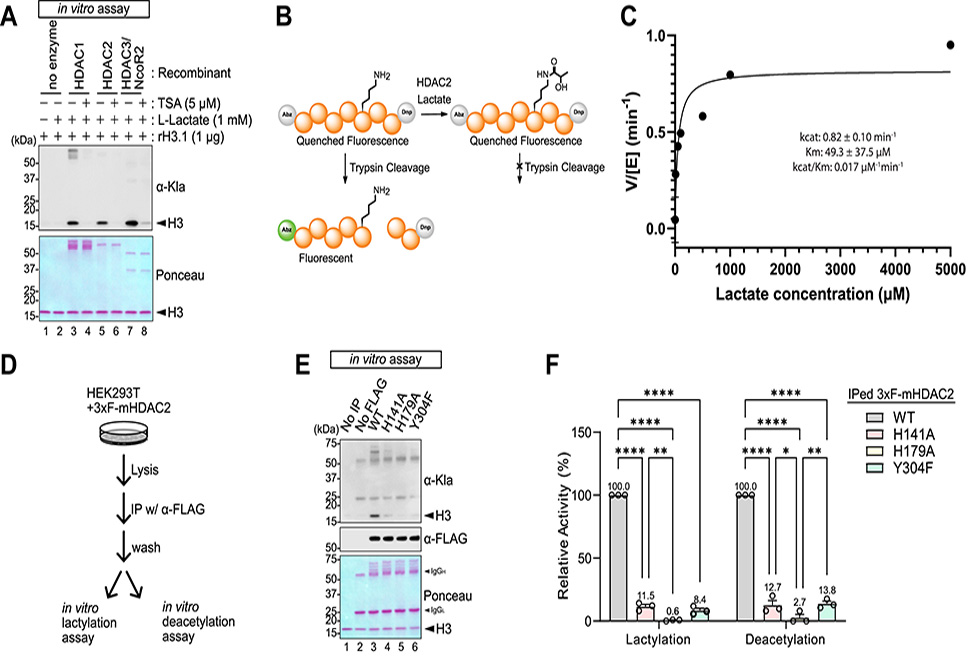
Lysine lactylation, Kla, has emerged as a post-translational modification, PTM, directly linking glycolytic metabolism to protein regulation. While earlier models invoked lactyl-CoA–dependent transfer or non-enzymatic reactions via lactoylglutathione, the enzymatic basis of Kla remained uncertain...
Targeted Conjugates
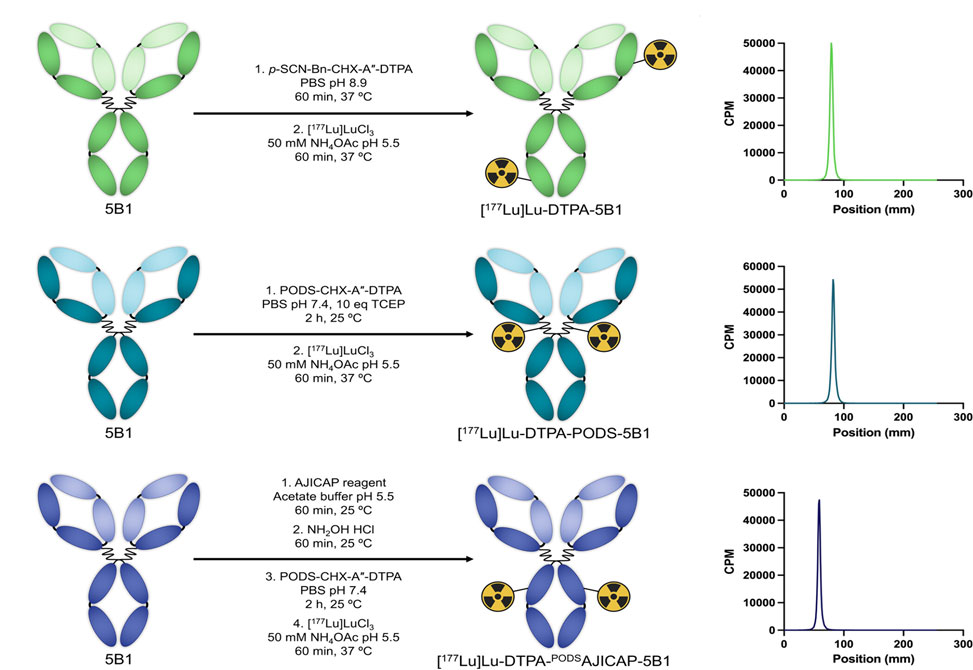
Reflecting recent work in the Zeglis lab
For two decades, immunoconjugates have been a mainstay of targeted oncology, from antibody–drug conjugates to radioimmunotherapy probes. The clinical challenge has never been the underlying concept, but rather the chemistry of conjugation. Conventional strategies, stochastic coupling...
Ultrafast Peptide Cyclization
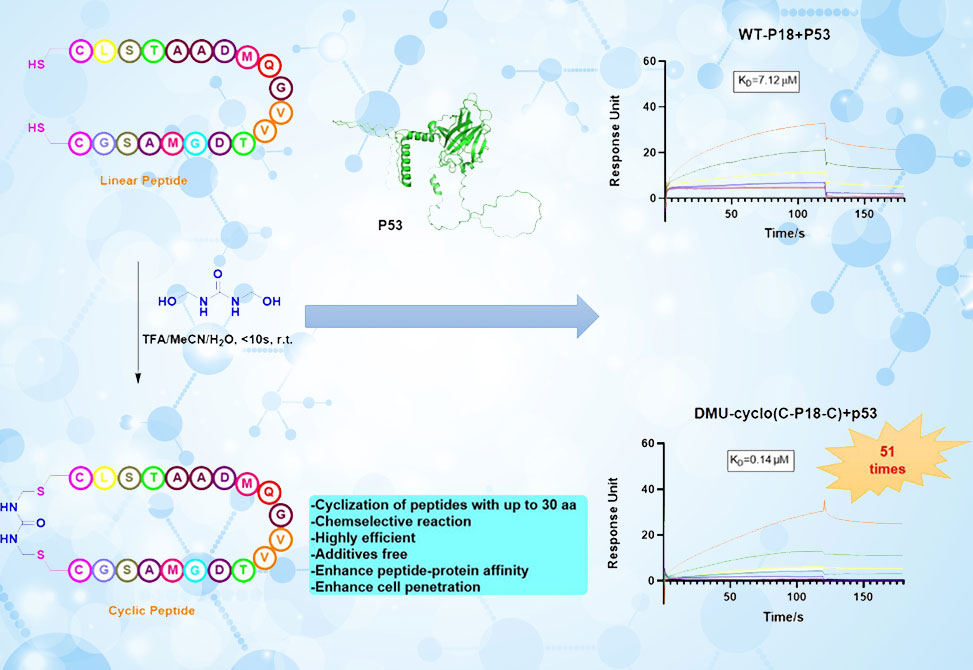
Reflecting recent work in the Sun lab
Cyclic peptides occupy a privileged niche in chemical biology. Their constrained conformations reduce entropic penalties upon binding, impart proteolytic stability, and frequently enable access to protein–protein interaction surfaces that are inaccessible to small molecules...
Coagulation Trigger
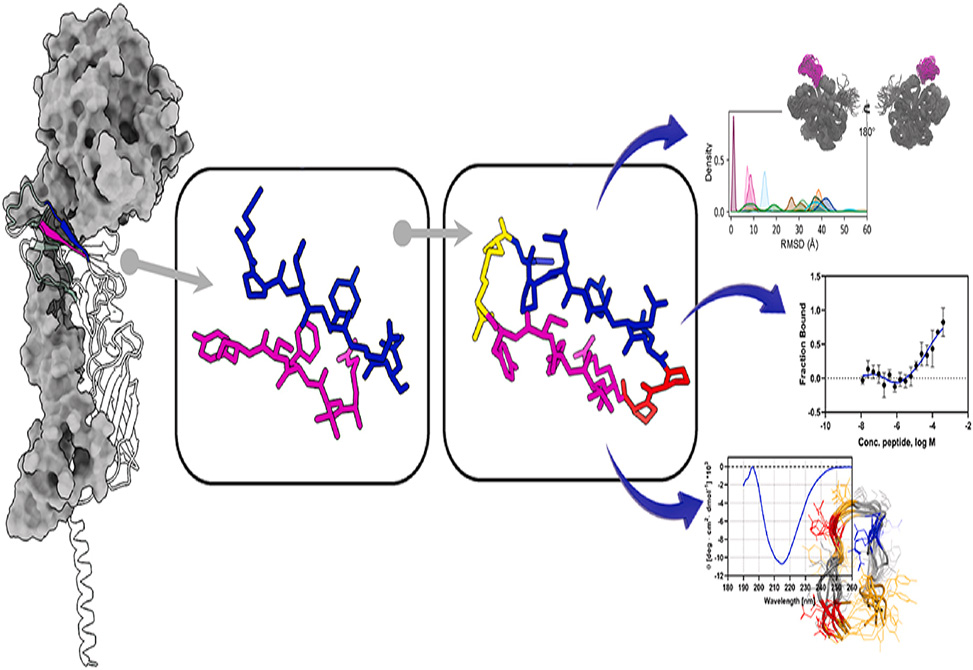
Reflecting recent work in the Ruvo lab
Hemostasis begins with a handshake. When vascular damage exposes tissue factor, TF, to the bloodstream, factor VII, FVII, latches on, instantly engaging the extrinsic pathway and accelerating thrombin generation. Because TF is sequestered...
Azapeptoid Collagen
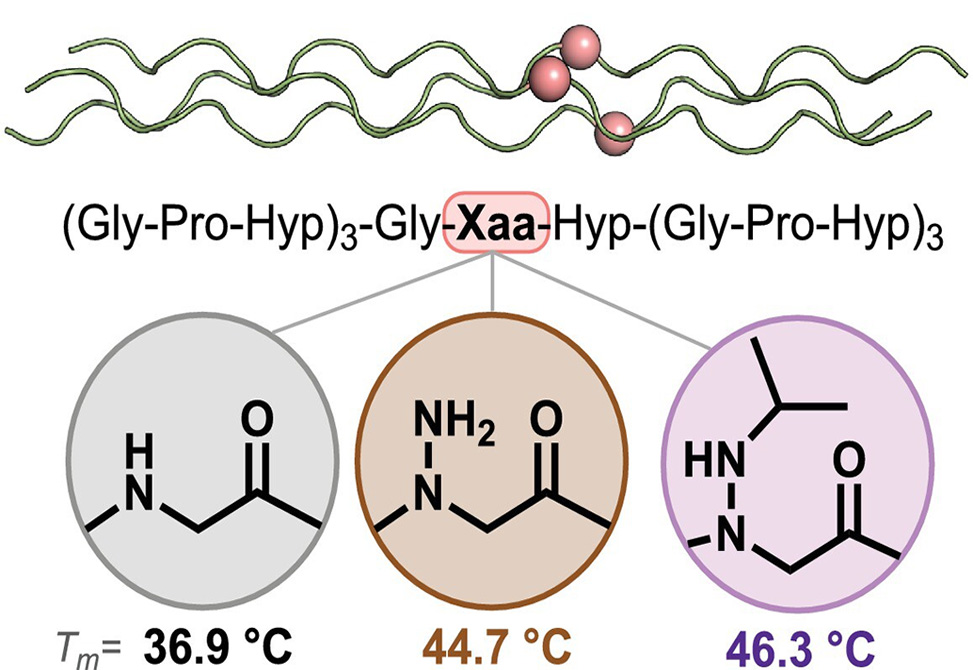
Reflecting recent work in the Del Valle lab
Collagen’s mechanical grace comes from a deceptively simple code: repeating Gly-Xaa-Yaa triplets that assemble into three left-handed PPII chains winding into a right-handed triple helix. Nature’s favorites at Xaa and Yaa—proline...
Cysteine Umpolung
Reflecting recent work in the Wang lab
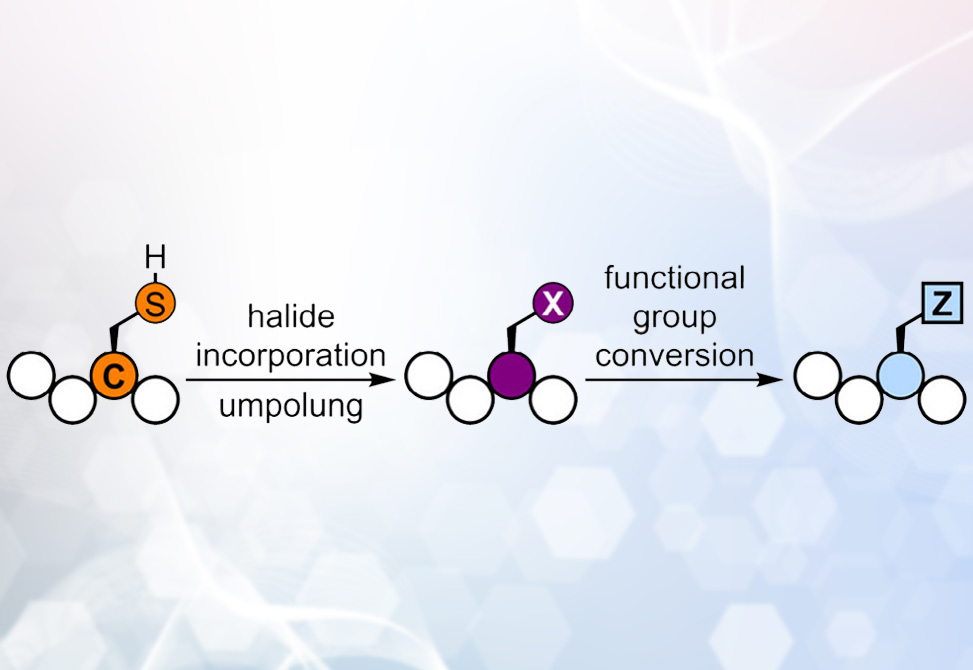
A longstanding challenge in peptide chemistry has been the restricted reactivity of canonical amino acids, which limits late-stage functionalization strategies. Most side chains are inherently nucleophilic, and thus nearly all peptide modification...
Rewiring the Protein Backbone
Reflecting recent work in the Schepartz lab
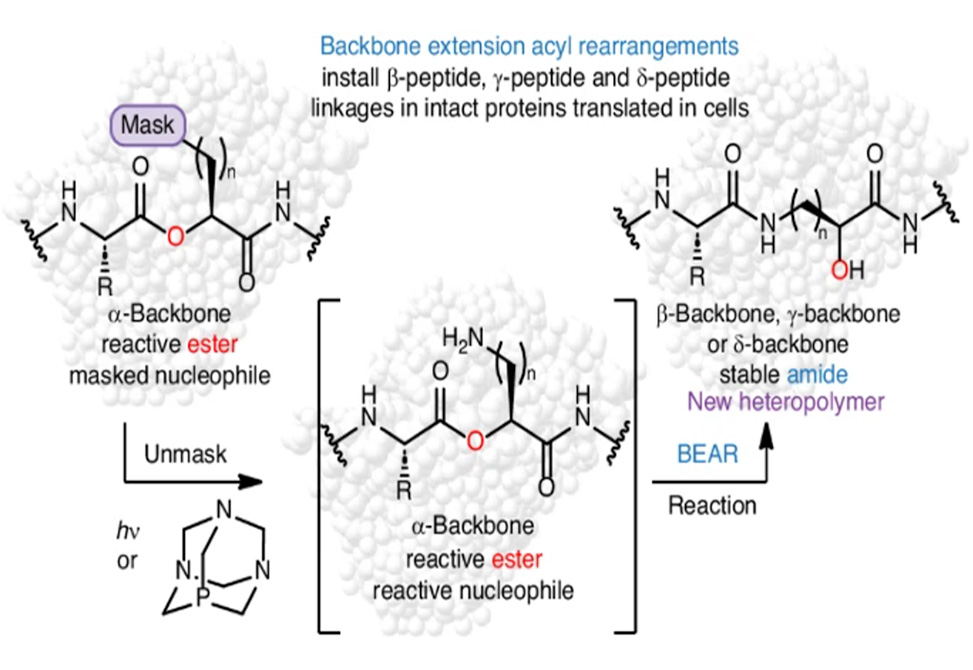
Backbone editing offers a powerful way to expand protein function: by introducing β, γ, or δ linkages, researchers can strengthen folds against proteolysis, reshape ligand dynamics, and unlock new routes to modulate protein–protein interactions…
Barrier Crossing
Reflecting recent work in the Pires lab
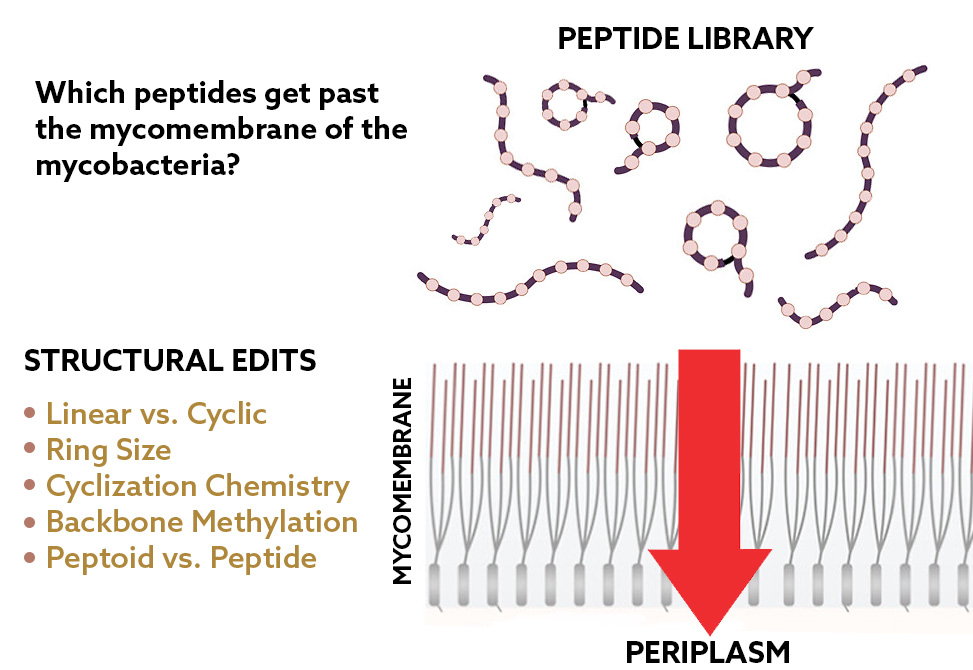
Tuberculosis, TB, remains one of the most pressing global health threats, with more than ten million cases reported in 2022. Once thought to be in gradual decline, TB incidence has reversed course, fueled by the rise of multidrug-resistant, MDR, and extensively drug-resistant, XDR, strains. The causative...
Blocking Metastasis
Reflecting recent work in the Kennedy lab
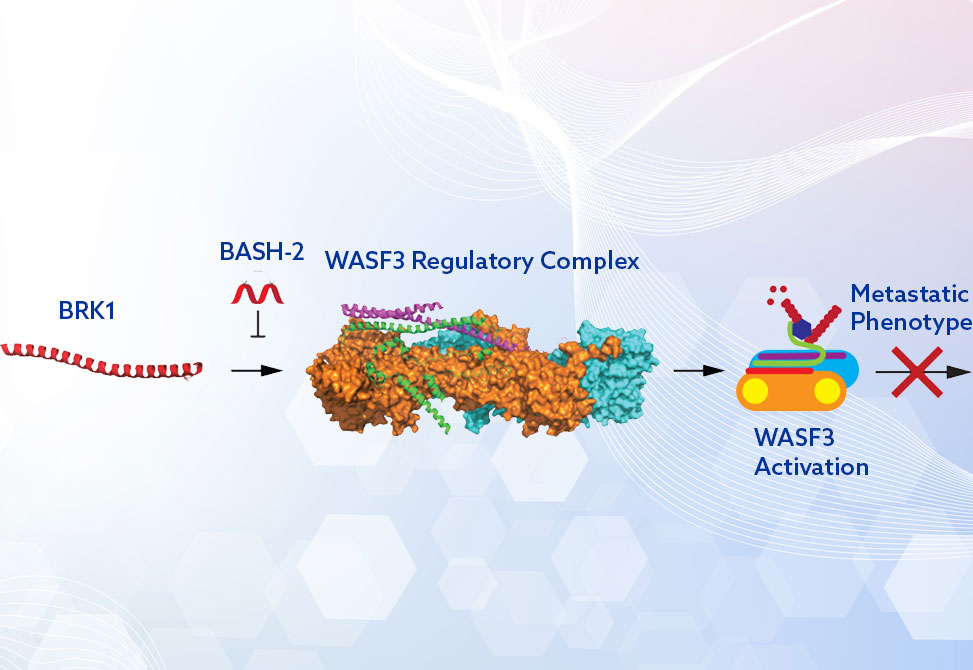
Metastasis remains the leading cause of cancer mortality, and one driver of this process is the actin cytoskeleton remodeling mediated by WASF3, a protein strongly upregulated in aggressive tumor types...
Degrading Light
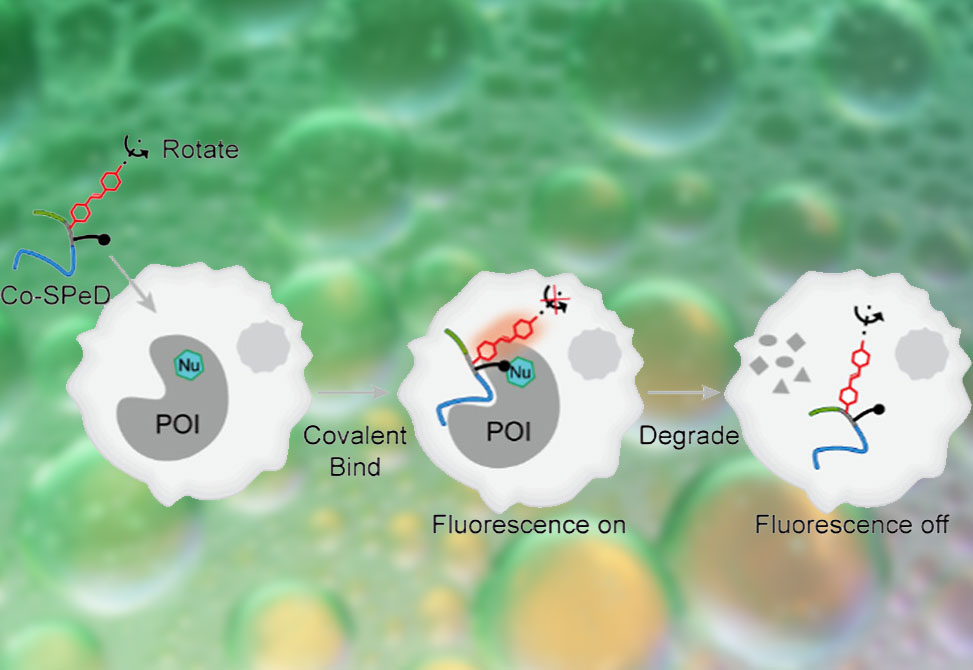
Reflecting recent work in the Lou lab
Targeted protein degradation has rapidly matured into a transformative drug discovery approach, offering ways to dismantle proteins once deemed undruggable. While classical proteolysis-targeting chimeras, PROTACs, exploit the ubiquitin–proteasome system...
Stapled Sheets
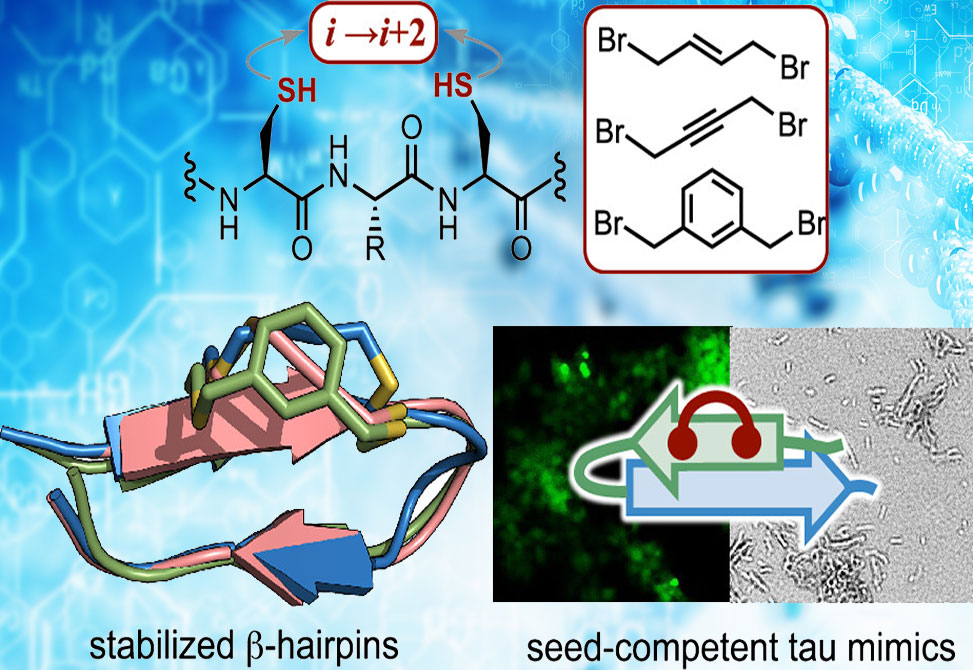
Reflecting recent work in the Del Valle lab
The stabilization of β-sheet structures has long been a challenge in peptide design, despite their central role in mediating protein–protein interactions, PPIs. While side-chain stapling is well-established for constraining α-helical, polyproline II, and loop conformations...
Allosteric Turns
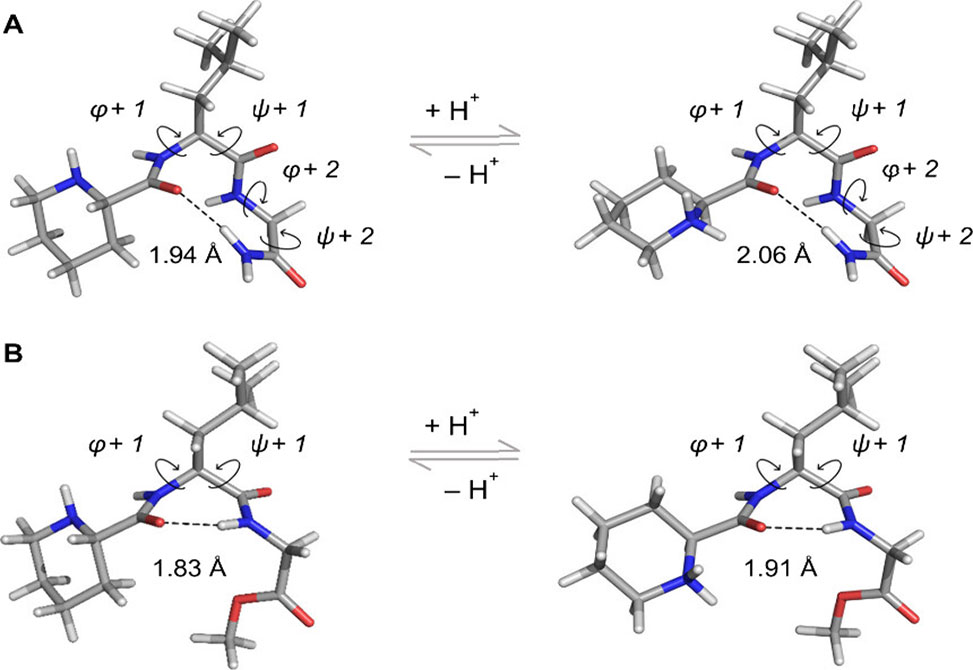
Reflecting recent work in the Sampaio-Dias lab
Disorders of the central nervous system linked to dysregulation of dopamine D2 receptors — including depression, drug addiction, Parkinson’s disease, and movement disorders — remain challenging to treat with selectivity...
Peptide Galanin Binding
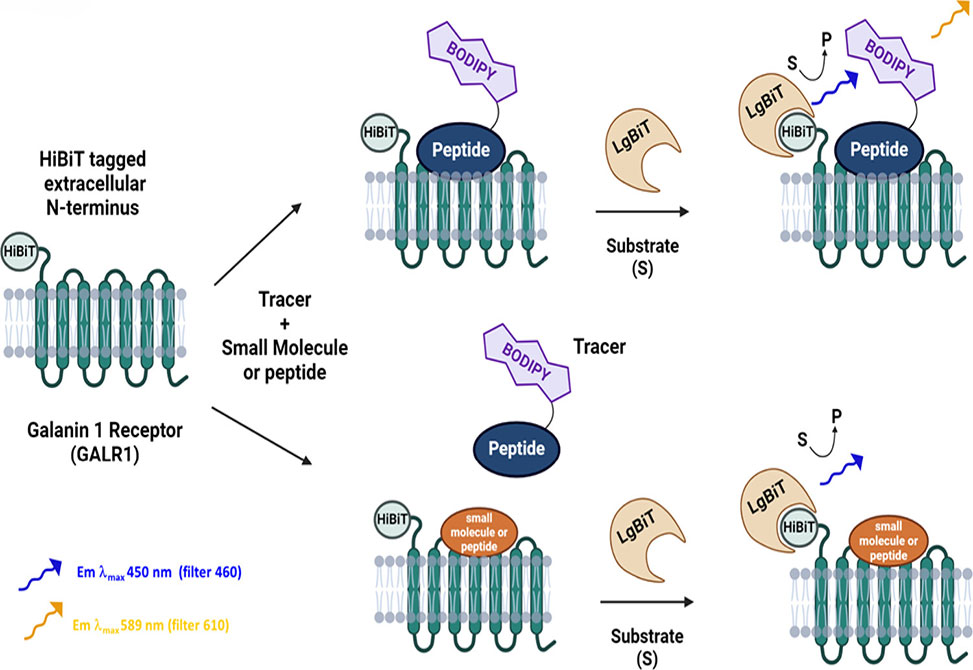
Reflecting recent work in the Patnaik lab
In a landmark study, published in ACS Chemical Biology, researchers from the Samarjit Patnaik group at the National Institutes of Health, report the development of a live-cell NanoBRET, Bioluminescence Resonance Energy Transfer, assay...
Protein Phosphorylation
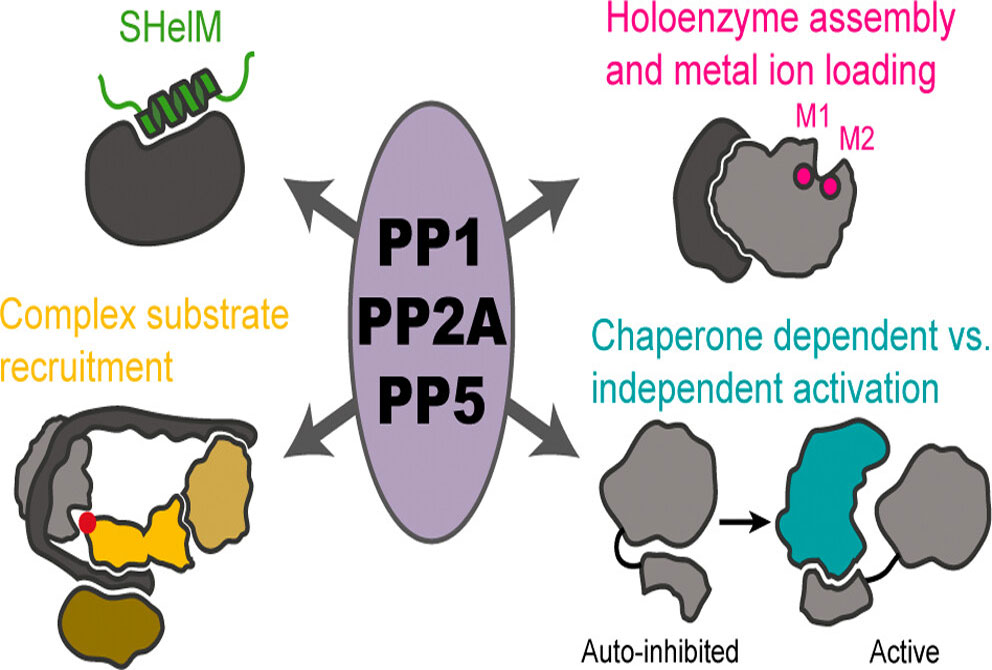
Reflecting recent work in the Köhn lab
Professor Maja Köhn took the stage at the 29th American Peptide Symposium in San Diego, her presentation, "Targeting Phosphatases with Peptides and Phosphomimetics," offered a captivating look into one of the most challenging frontiers in molecular medicine...
Proline Scanning
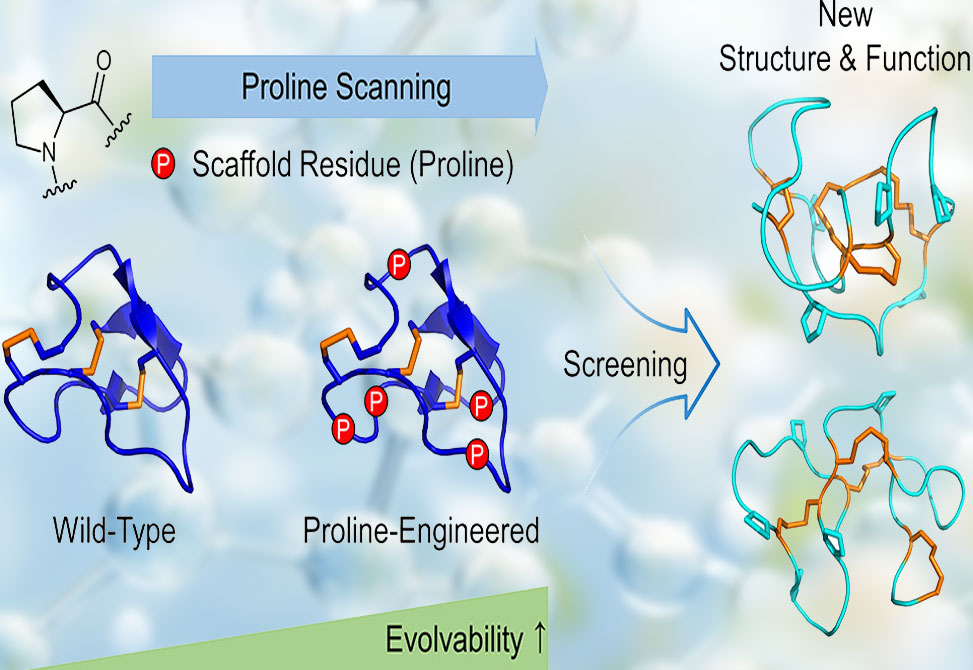
Reflecting recent work in the Wu lab
Disulfide-rich peptides, DRPs, are renowned for their stability and therapeutic promise, yet their natural structures offer limited flexibility for evolution or functional adaptation. In an innovative and collaborative study, researchers...
Conformational Equilibrium
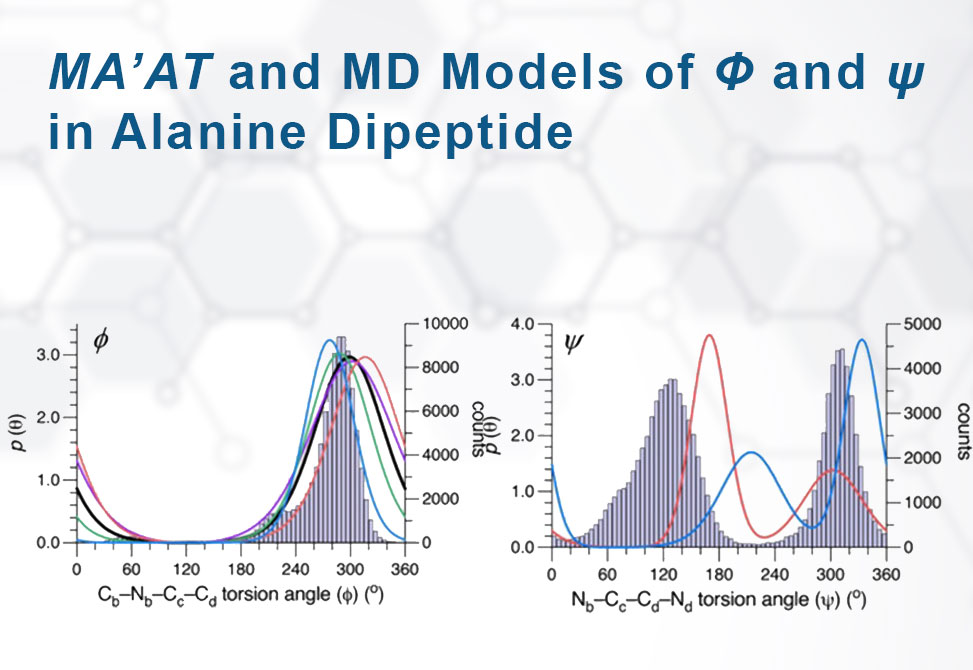
Reflecting recent work in the Serianni lab
The conformational behavior of alanine dipeptide, Ac-L-Ala-NHMe, 1, has long made it a model compound in molecular simulation studies. However, despite numerous investigations using molecular dynamics, MD, and quantum mechanical, QM, calculations, a rigorous...
Peptide Anti Obesity 2.0
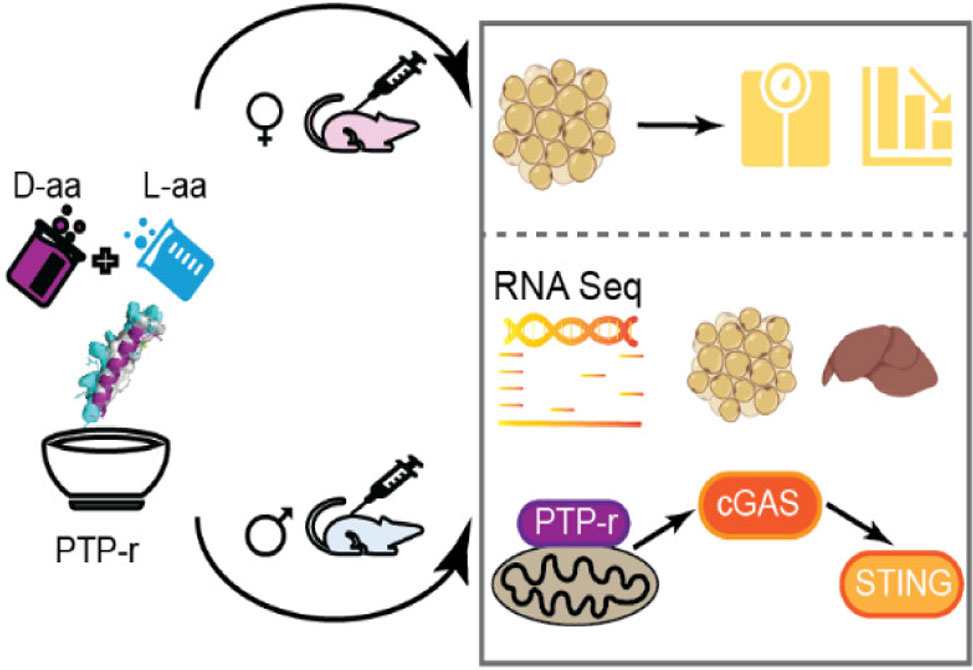
Reflecting recent work in the David lab
Obesity is a leading contributor to global disease burden and a primary risk factor for type 2 diabetes, yet current treatments often lack specificity and long-term efficacy. In a groundbreaking collaborative study, published...
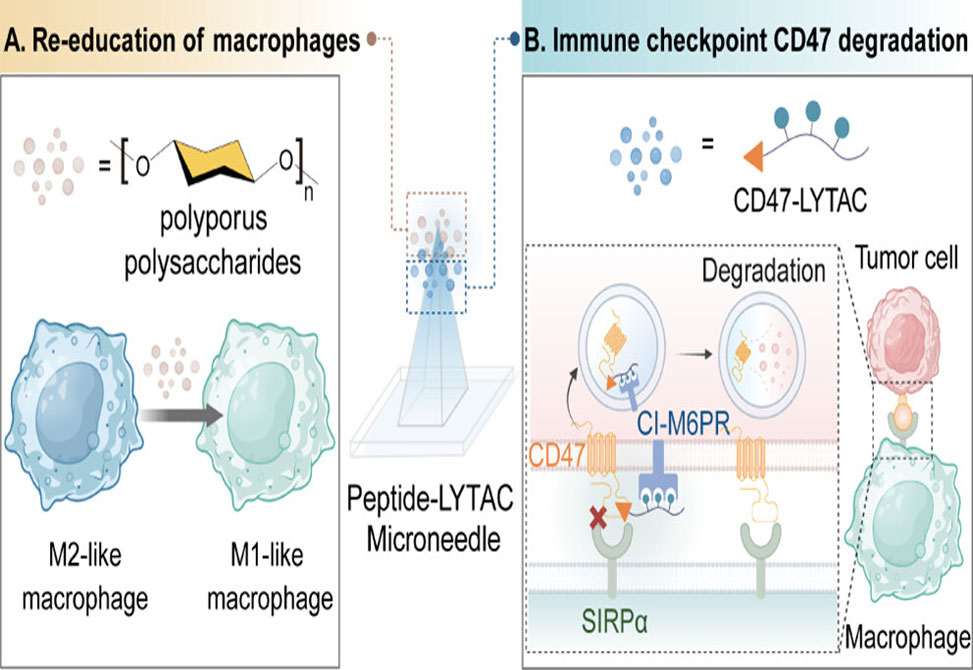
Delivery of Peptide-LYTAC
Reflecting recent work in the Luan lab
While immune checkpoint blockade, ICB, therapies have transformed cancer immunotherapy, tumors such as melanoma frequently exploit the CD47-SIRPα axis to evade macrophage-mediated clearance. Antibody-based CD47 blockade, though...
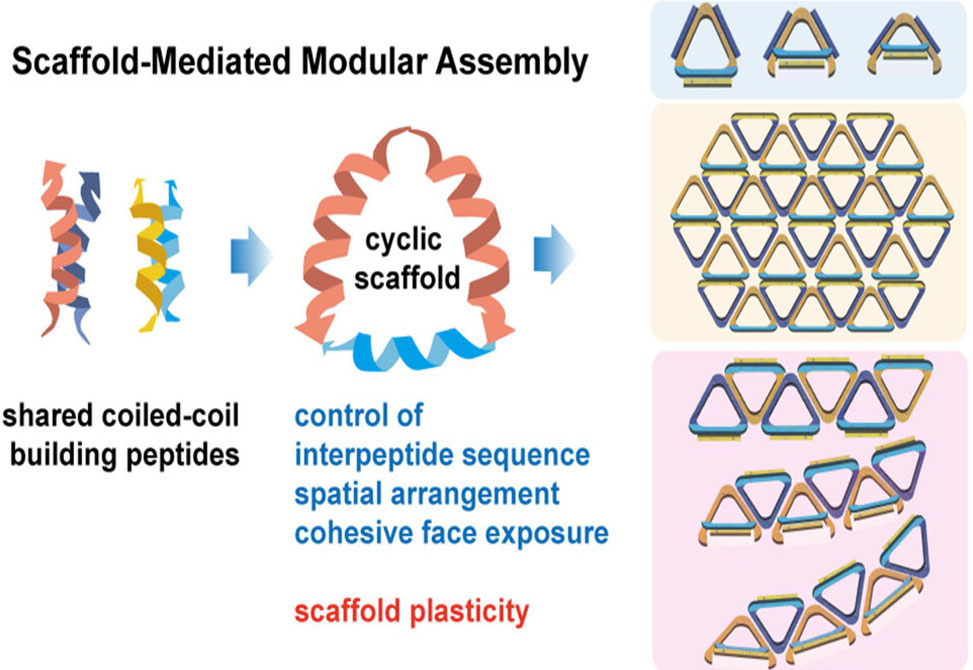
Shaping Peptide Assemblies
Reflecting recent work in the Jiang lab
Peptides capable of folding into defined secondary structures serve as promising modular building blocks for supramolecular materials. However, conventional approaches to peptide-based self-assembly are often constrained by environmental...
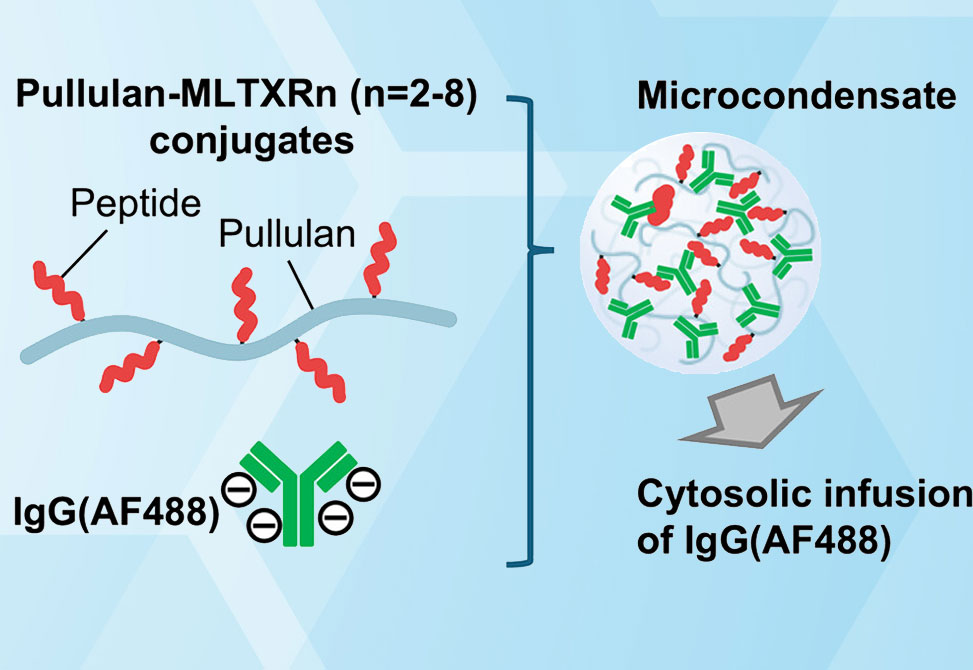
Intracellular Targeting
Reflecting recent work in the Futaki lab
The delivery of biomacromolecules directly into the cytosol remains a central challenge in therapeutic peptide science. Coacervate-based systems offer a promising platform, yet many are hampered by instability in physiological conditions and diminished performance...
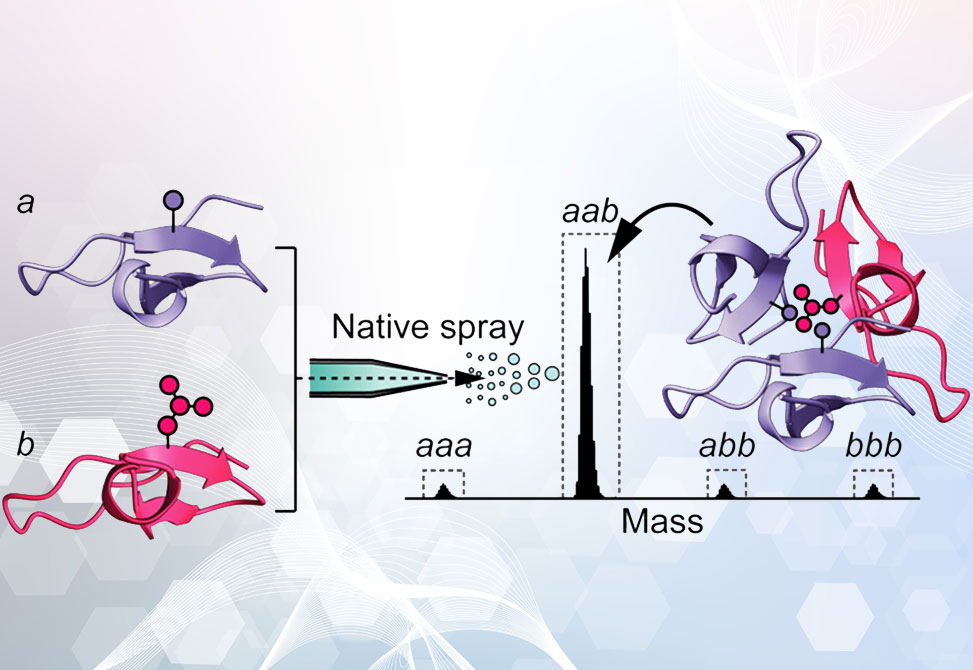
Rational Design
Reflecting recent work in the Gellman lab
The rational construction of stable hetero-oligomeric protein complexes with defined subunit composition is a central challenge in molecular design. In this study, published in the Journal of the American Chemical Society, researchers in the Gellman Lab...
Macrocyclic Peptide Antibiotics
Reflecting recent work in the van der Donk lab
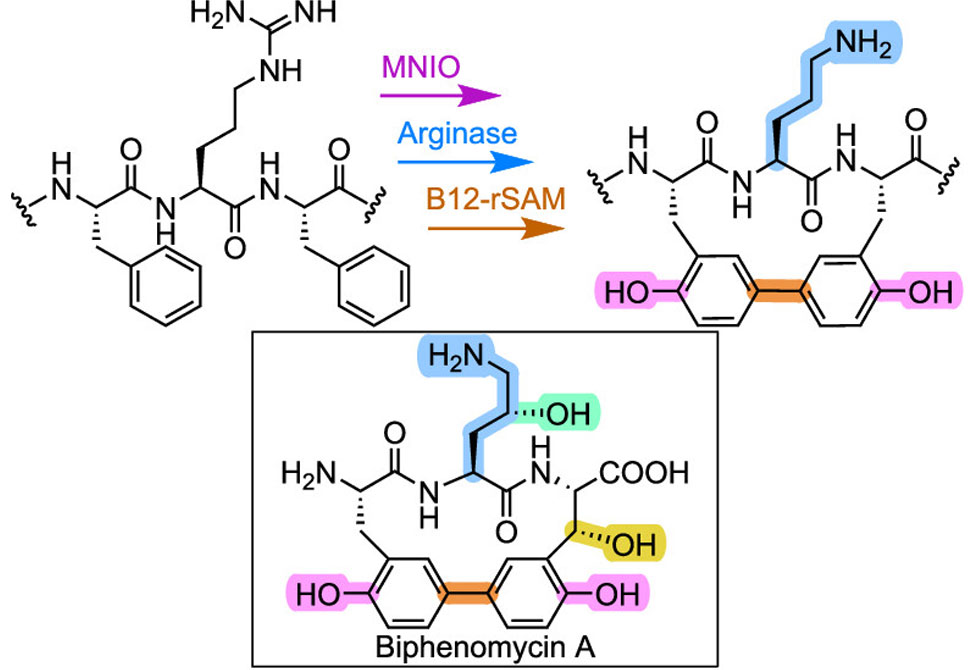
Ribosomally synthesized and posttranslationally modified peptides, RiPPs, represent one of the most structurally diverse classes of natural products, yet many RiPP families remain biosynthetically uncharacterized...
Quorum Sensing Redux
Reflecting recent work in the Tal-Gan lab
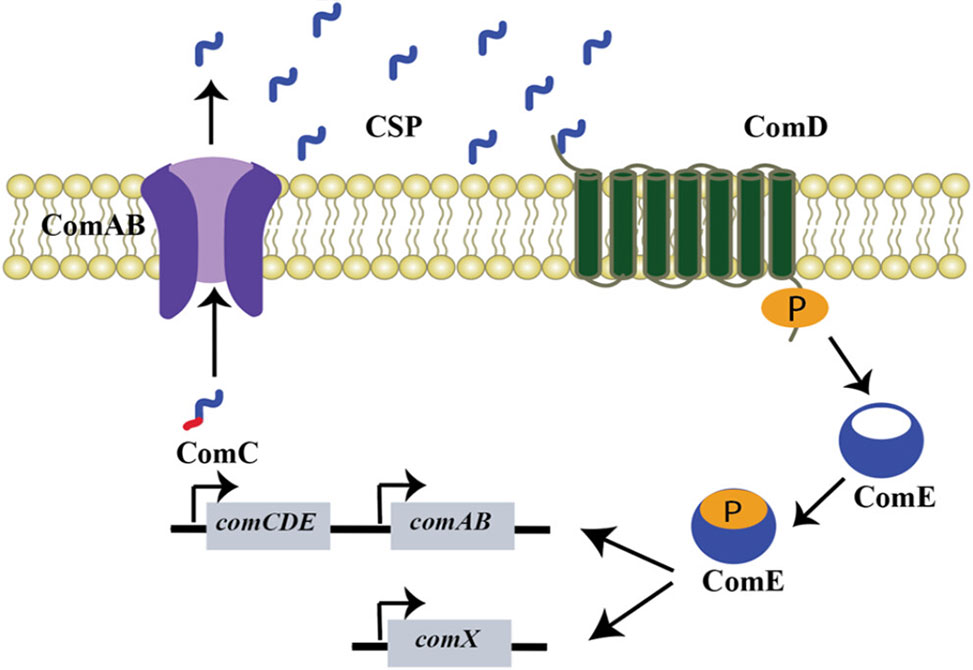
Streptococcus constellatus, a member of the Streptococcus anginosus group, SAG, is an opportunistic pathogen commonly found in the human oral and gastrointestinal microbiota. While often commensal, it has increasingly been implicated in severe purulent infections, particularly in immunocompromised individuals. Despite its emerging clinical relevance...
Oxidative Peptide Coupling
Reflecting recent work in the Proulx lab
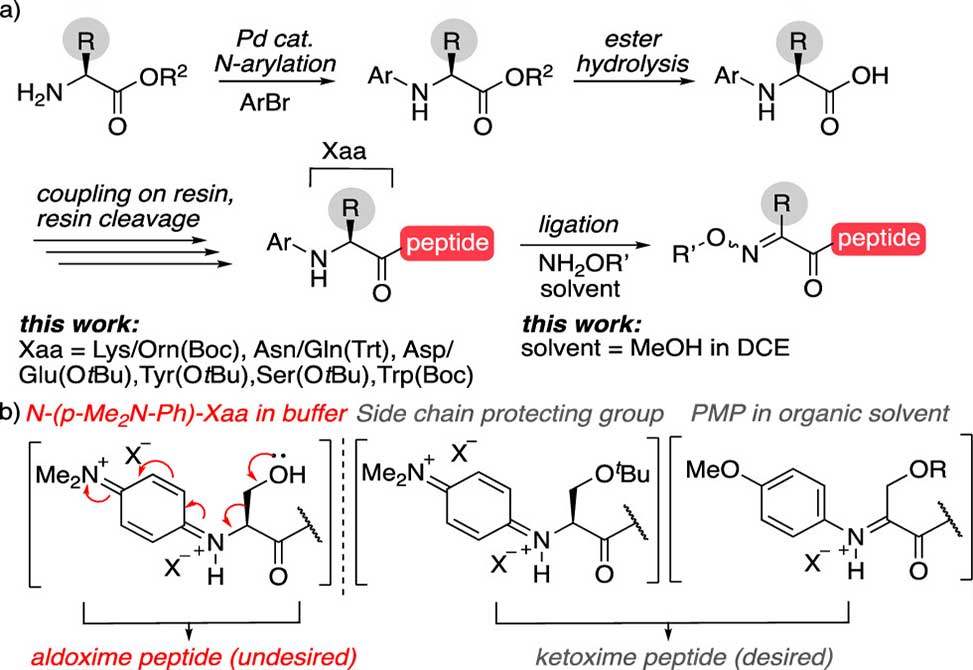
This study demonstrates that a key determinant of this reactivity is the choice of solvent. By shifting from aqueous buffer to a mixed organic solvent system, MeOH/DCE, the authors observed a pronounced shift in the oxidation pathway, favoring productive...
Potent Antifungal Lipopeptide
Reflecting recent work in the Süssmuth lab
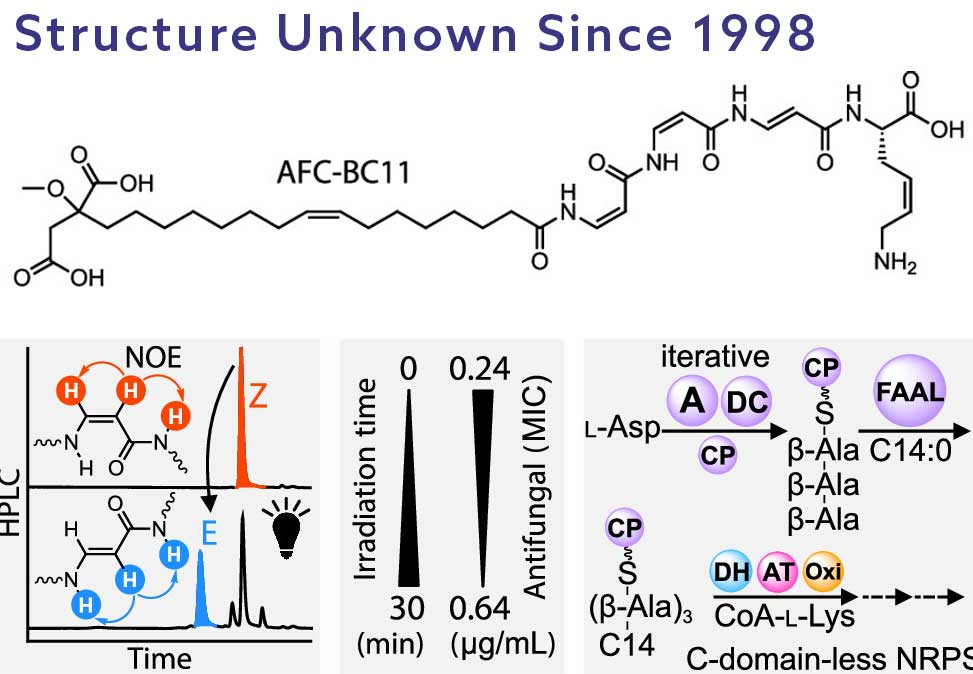
In this study, researchers from the Süssmuth group at the Technische Universität Berlin, published in the Journal of the American Chemical Society, elucidated the structure of AFC-BC11 as an N-acyl tetrapeptide with a distinctive architecture. The molecule is...
Efficient siRNA Delivery
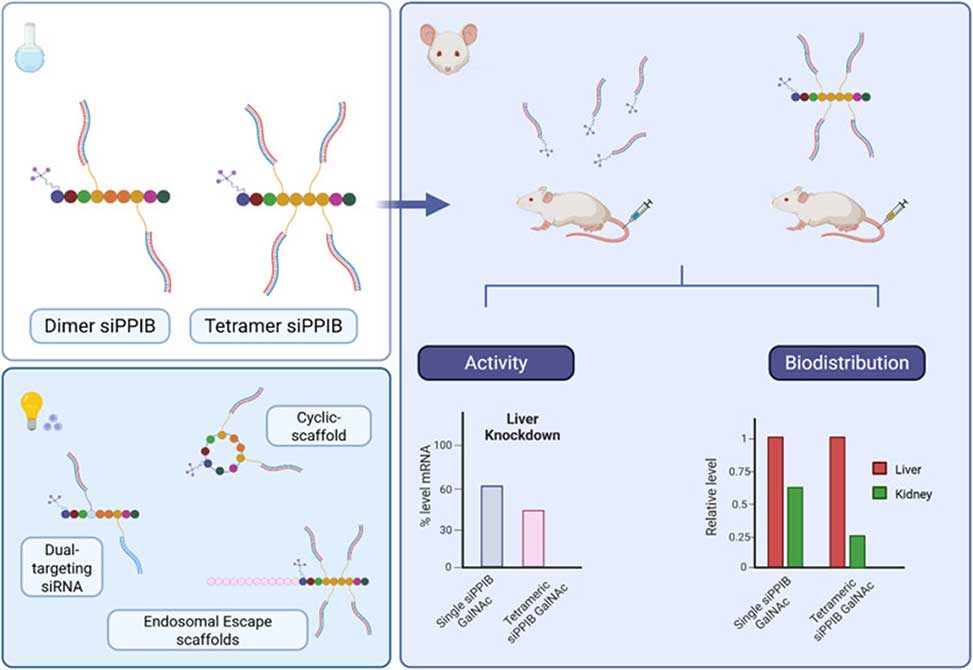
Reflecting recent work in the Anders lab
In this collaborative study, published in Bioconjugate Chemistry by researchers from the Dahlén group at Astra-Zeneca, Gothenburg, Sweden, and the Andaloussi team at the Karolinska Institutet, Stockholm, Sweden, the authors present...
Grafted Coiled Coils
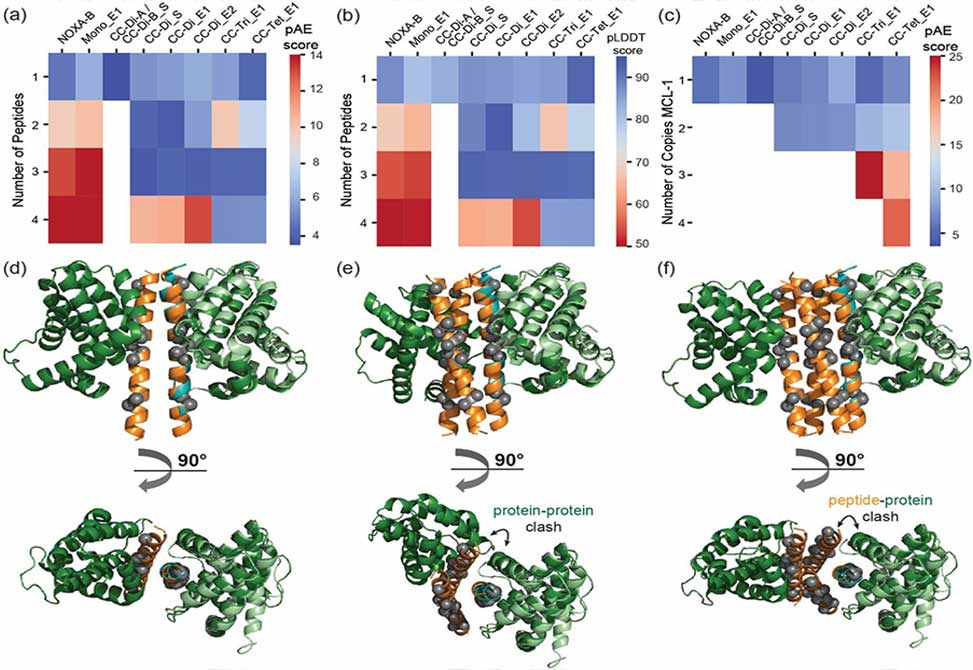
Reflecting recent work in the Andrew J. lab
Protein–protein interactions, PPIs, are fundamental to cellular regulation, yet targeting them therapeutically remains challenging due to their extensive, shallow interfaces. Peptides offer an attractive solution, providing structural fidelity...
Conjugation Chemistry
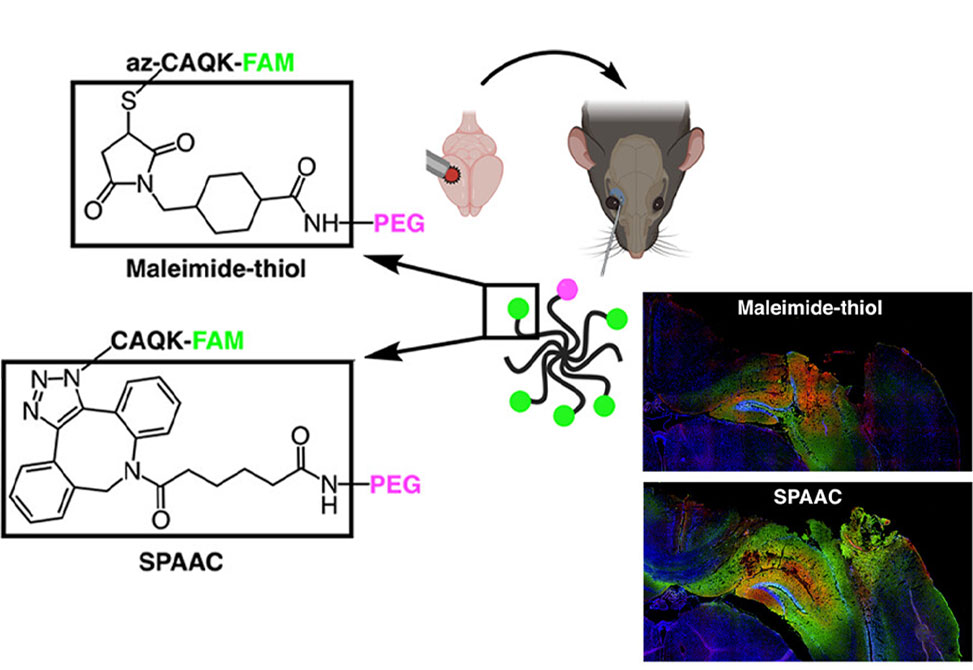
Reflecting recent work in the Kwon lab
Traumatic brain injury, TBI, remains a profound and unresolved clinical challenge, responsible for long-term disability in both civilian and military populations. The lack of effective pharmacological interventions...
Quorum Sensing
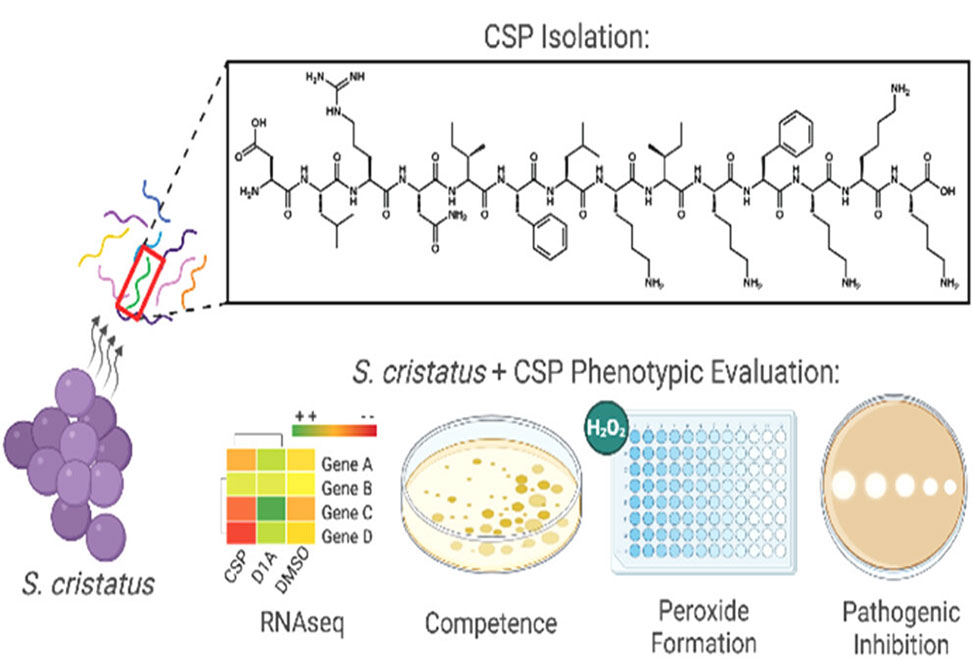
Reflecting recent work in the Tal-Gan lab
Streptococcus cristatus, a commensal member of the oral microbiota and recently reclassified from Streptococcus oligofermentans, has emerged as a promising candidate in the pursuit of biotherapeutics targeting oral pathogens. A comprehensive...
Molecular Scaffolds
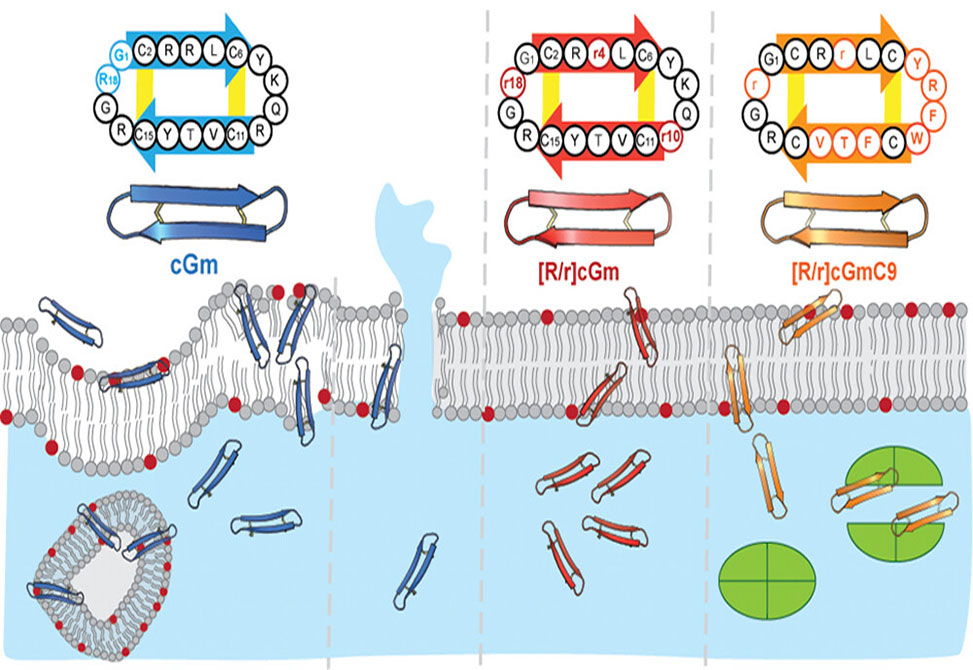
Reflecting recent work in the Craik lab
This comprehensive review from the labs of David Craik and Lara Malins at Australian Research Council Centre of Excellence for Innovations in Peptide and Protein Science, at the University of Queensland, published in Biochemistry, highlights the powerful...
From Hydrogel to Crystal
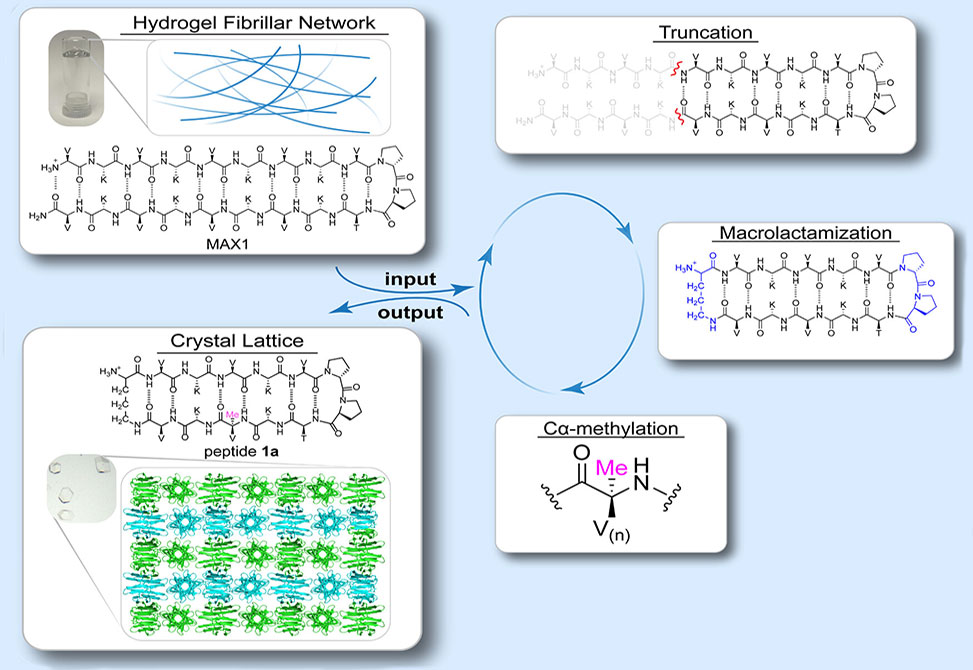
Reflecting recent work in the Schneider lab
Published in the Journal of the American Chemical Society, researchers in the lab of Dr. Joel P. Schneider at NIH, have unveiled a groundbreaking molecular design strategy that shifts gel-forming peptides into the crystalline state...
Capturing the Uncatchable
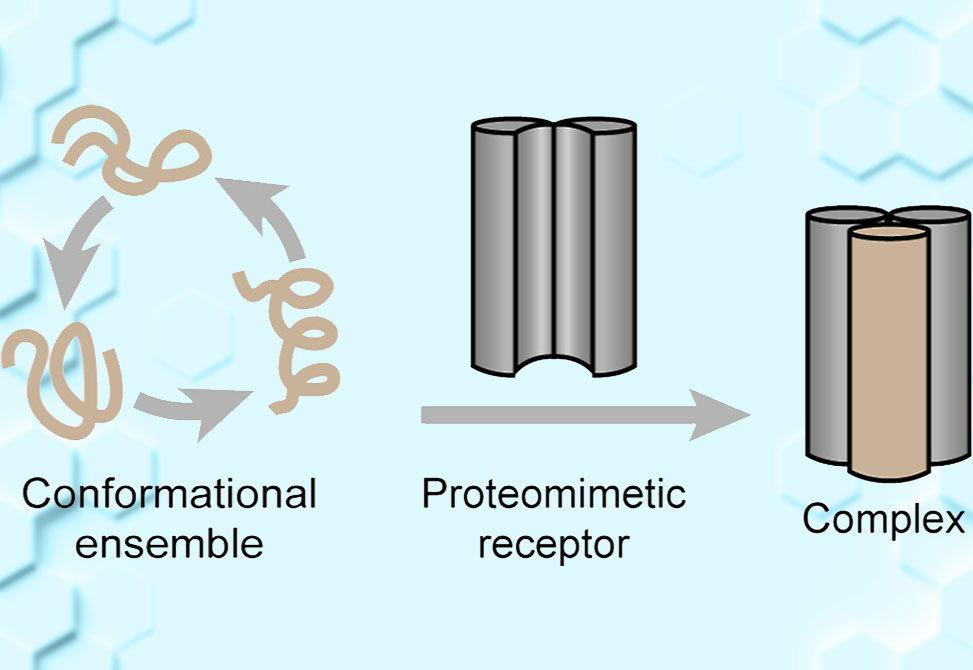
Reflecting recent work in the Arora lab
In a major step forward, researchers in the Arora Group at the New York University, have now developed a rationally designed proteomimetic receptor capable of selectively trapping MYC in its biologically active conformation...
Ubiquitin Azapeptide Esters
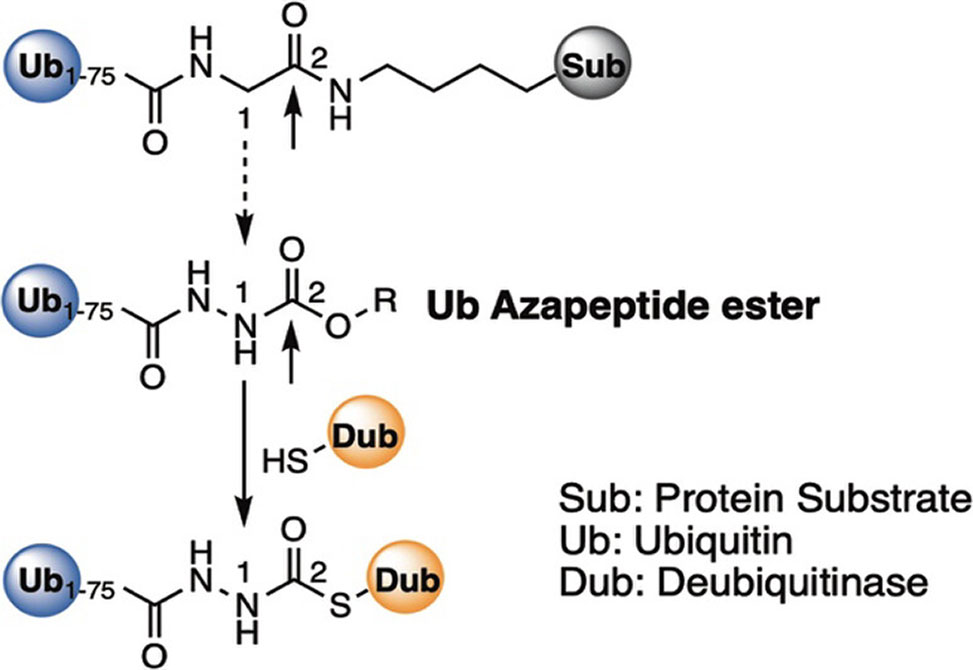
Reflecting recent work in the Liu lab
Published as an ASAP article in the Journal of the American Chemical Society, researchers from the Wenshe Liu Lab at Texas A&M, currenly our "Lab of the Month," present the development...
Versatile Precursors
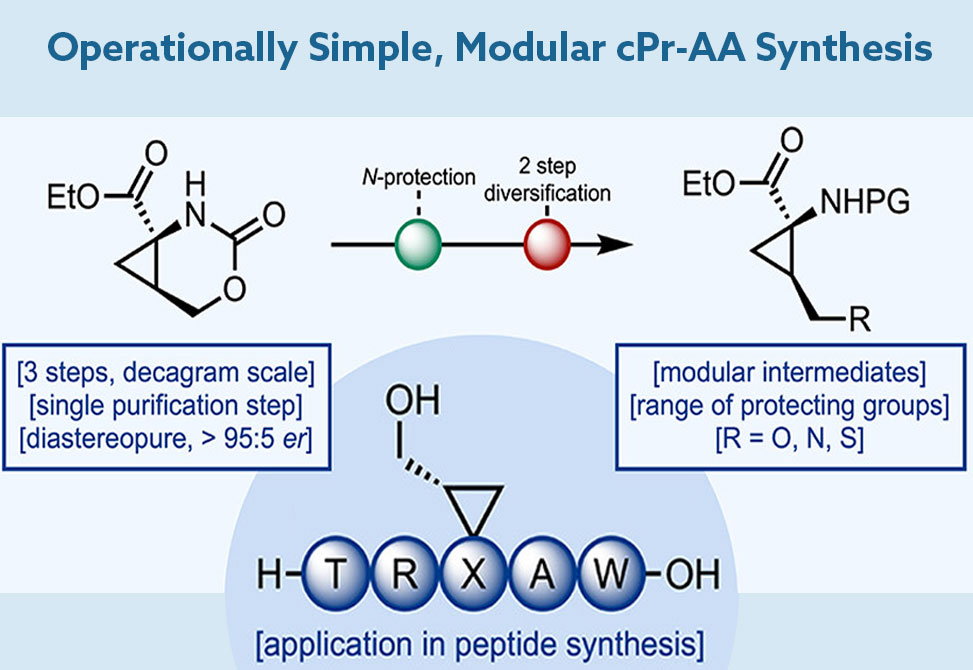
Reflecting recent work in the Mitchell lab
Cyclopropane-containing amino acids, prized for their conformational rigidity and stability, are of increasing interest in therapeutic peptide development and antimicrobial drug discovery. A recent study from Nicholas Mitchell’s group at the University of Nottingham...
Sequence Architecture
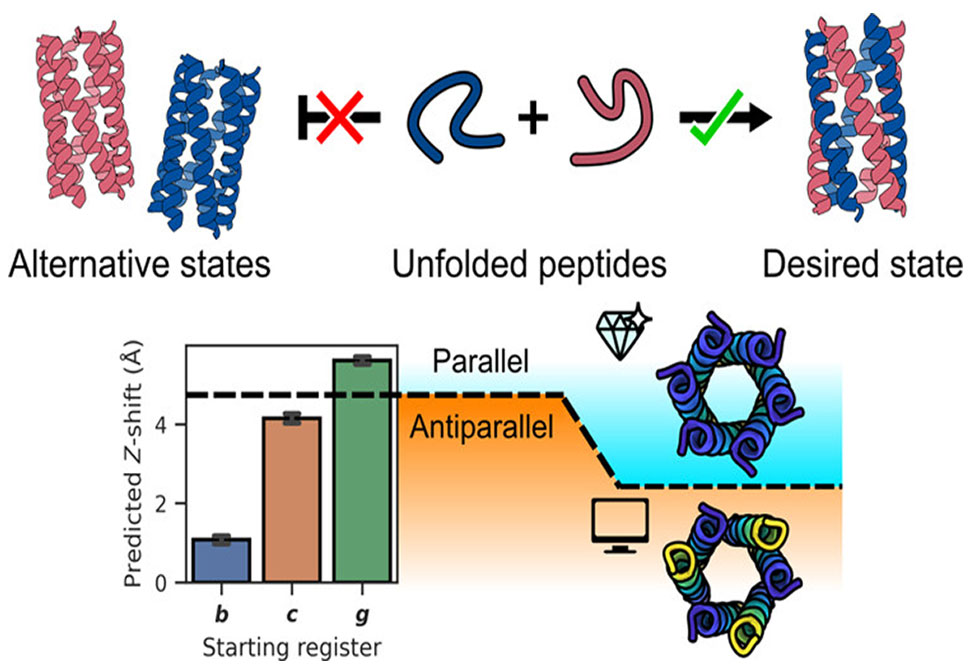
Reflecting recent work in the Woolfson lab
The Woolfson Lab continues to break new ground in de novo protein design with the successful creation of mixed-charge A3B3 heterohexameric α-helical barrels, αHBs, assembled from distinct acidic, A, and basic, B, peptide chains. Drawing on...
Dynamic Ion Channels
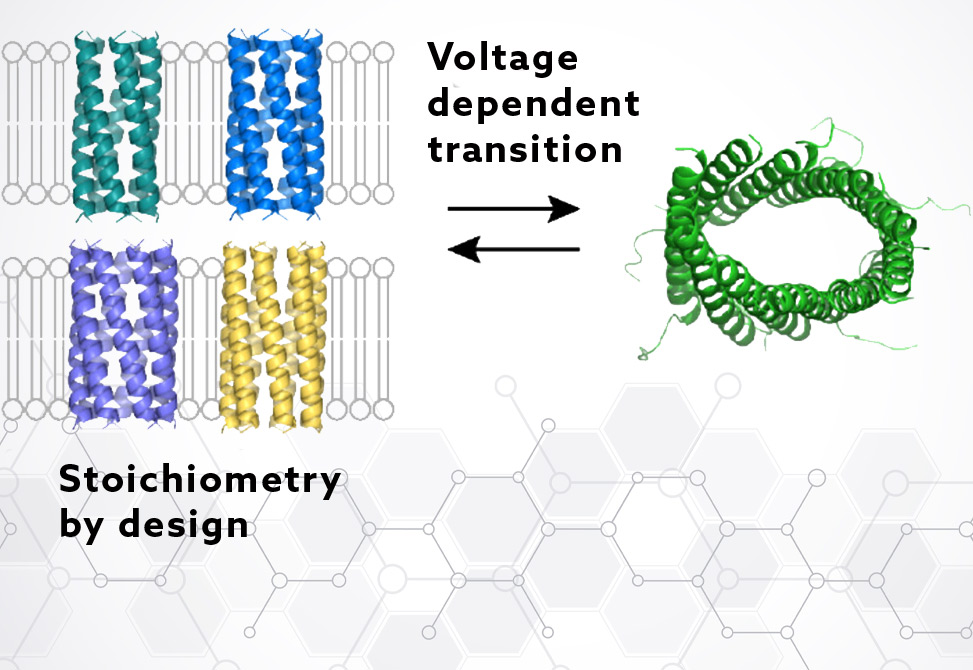
Reflecting recent work in the Niitsu lab
Membrane-spanning peptides that form ion-conductive channels remain a challenging frontier in de novo protein design. While strides have been made in creating water-soluble peptide assemblies, translating that precision to transmembrane systems...
Antimicrobial Peptide

Reflecting recent work in the D'Amelio lab
As antibiotic resistance surges worldwide, the search for effective new therapeutics has led scientists to a surprising source: the venom of Bungarus fasciatus, the banded krait. From this venom, researchers have isolated Cathelicidin-BF...
Protein Design
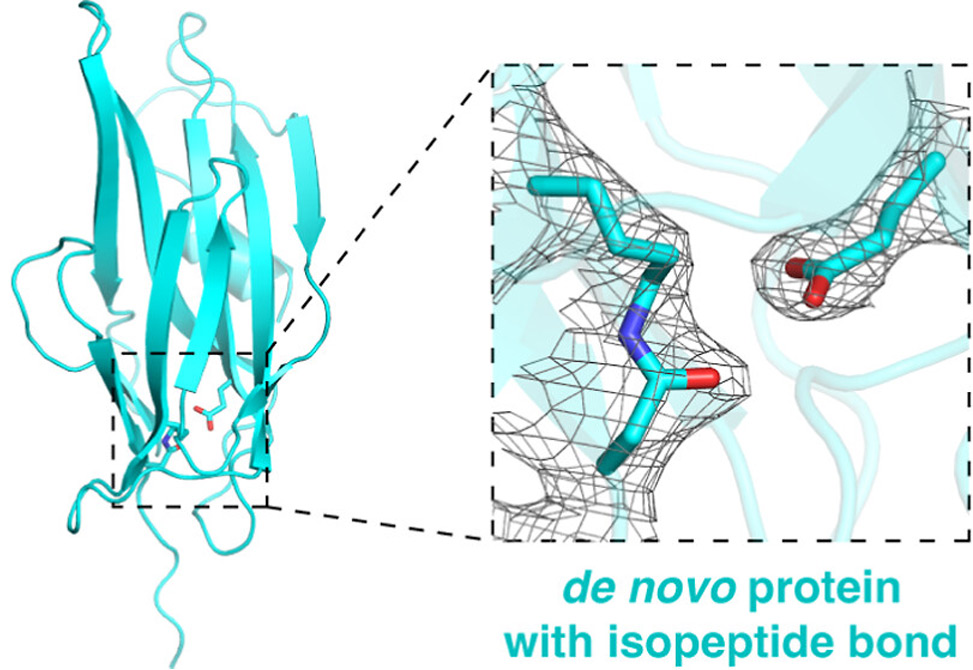
Reflecting recent work in the Tezcan lab
Isopeptide bonds, IPBs, — covalent linkages between the side chains of lysine and asparagine/glutamine or aspartate/glutamate — are remarkable for their chemical resilience and structural significance...
Arginine Carbonylation
Reflecting recent work in the Raj lab
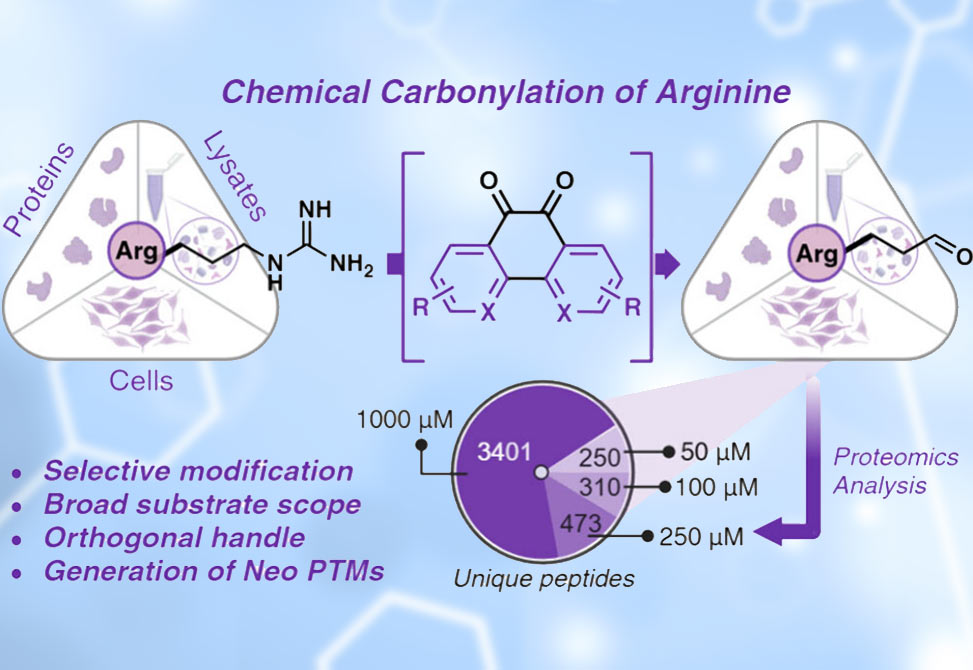
The selective incorporation of post-translational modifications, PTMs, into proteins remains a key challenge in chemical biology, particularly for modifications like arginine carbonylation, which plays a crucial role...
Enlicitide Decanoate
Reflecting recent work in the Thaisrivongs lab
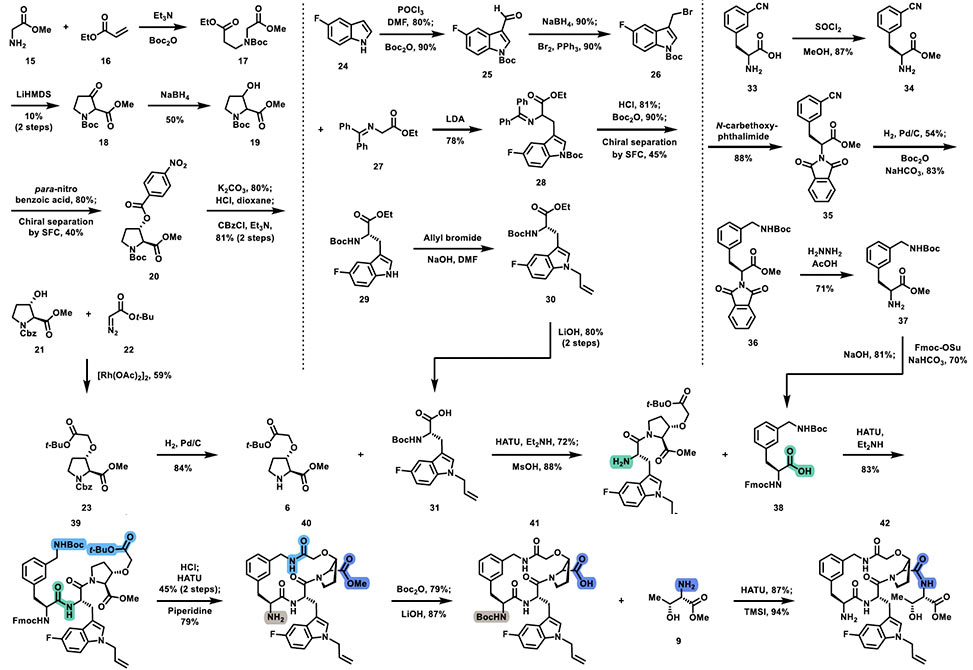
The total synthesis and process development of enlicitide decanoate, MK-0616, an orally bioavailable inhibitor of proprotein convertase subtilisin/kexin type 9, PCSK9, represents a major breakthrough in macrocyclic peptide...
Electrophilic Warheads
Reflecting recent work in the lab
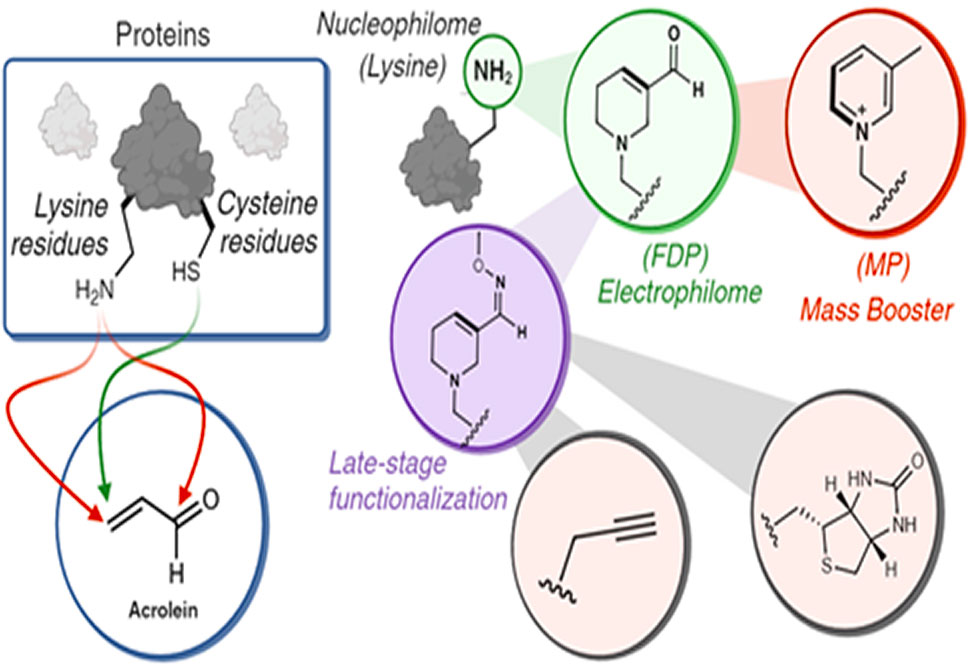
Understanding how proteins interact with biological metabolites is crucial for deciphering biological processes and advancing therapeutic strategies. This study focuses on a specific class of metabolites—α,β-unsaturated carbonyls, particularly acrolein-derived...
Vesicle Inversion
Reflecting recent work in the Deming lab
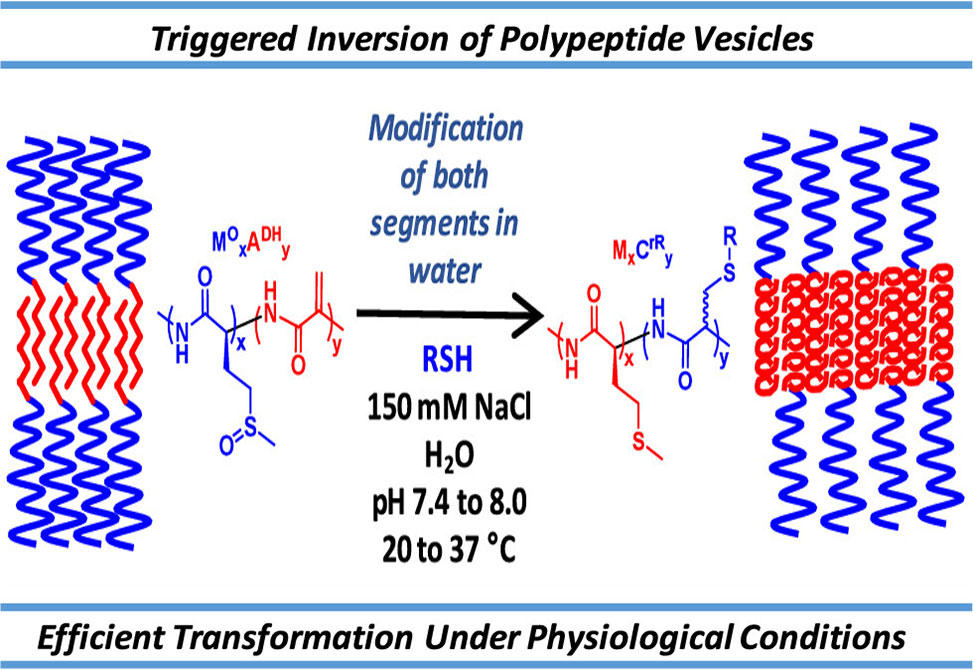
Self-assembled polymeric vesicles that respond to biologically relevant stimuli have significant potential in drug delivery and synthetic biology. While many stimuli-responsive assemblies disassemble upon activation, invertible vesicles...
Selective Coupling
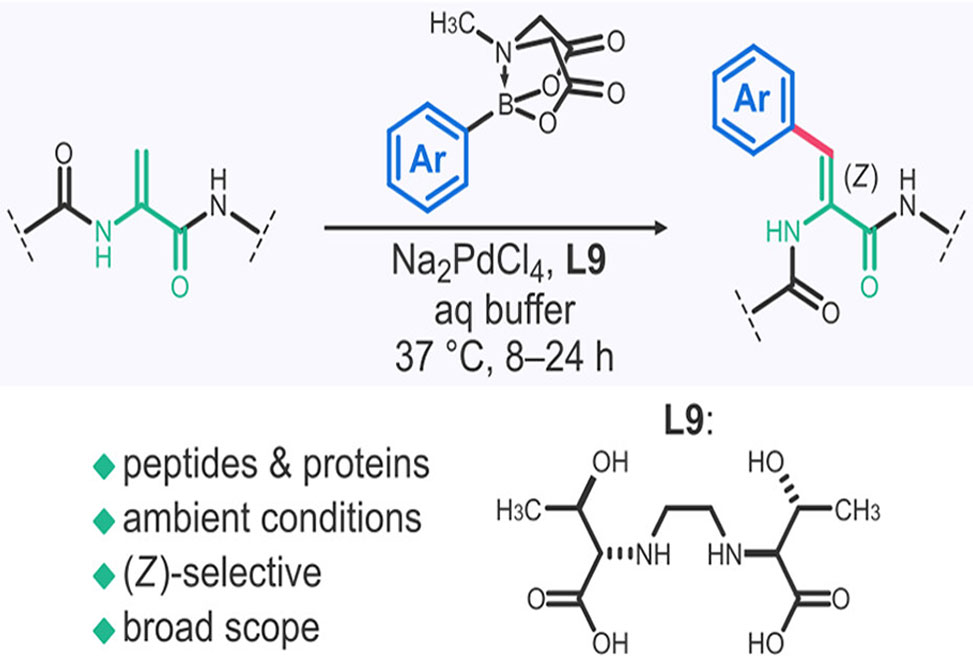
Reflecting recent work in the Suga lab
α,β-Dehydroalanine, ΔAla, is a highly reactive nonproteinogenic amino acid that serves as a versatile handle for modifying peptides, natural products, NPs, and proteins. While many ΔAla functionalization...
Peptide Modifications
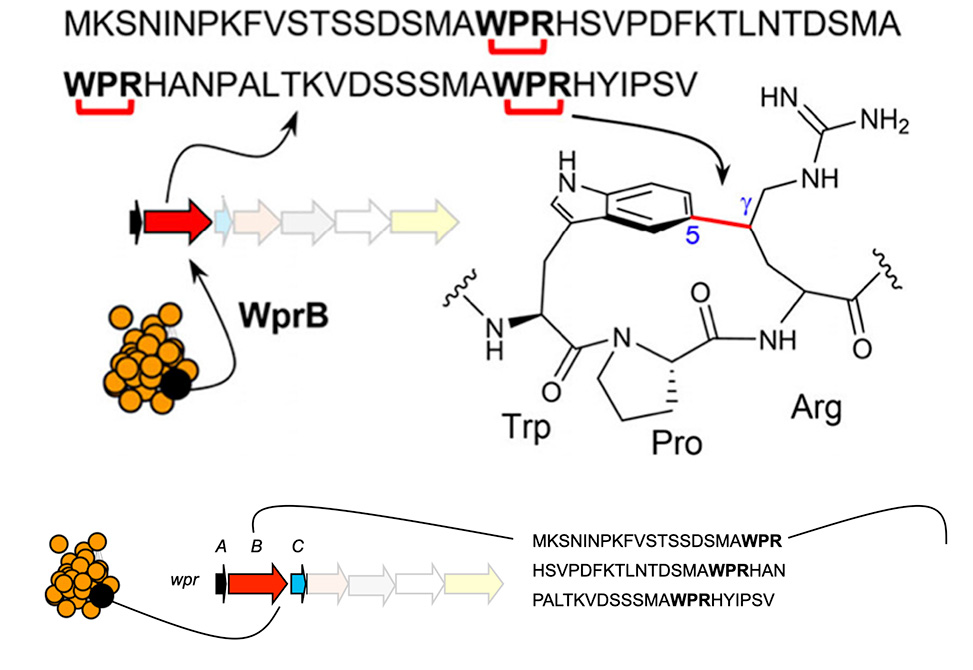
Reflecting recent work in the Phan lab
Ribosomally synthesized and post-translationally modified peptides, RiPPs, represent an expanding class of natural products distinguished by their extensive post-translational modifications. Among the enzymatic systems...
Synthesis Tag
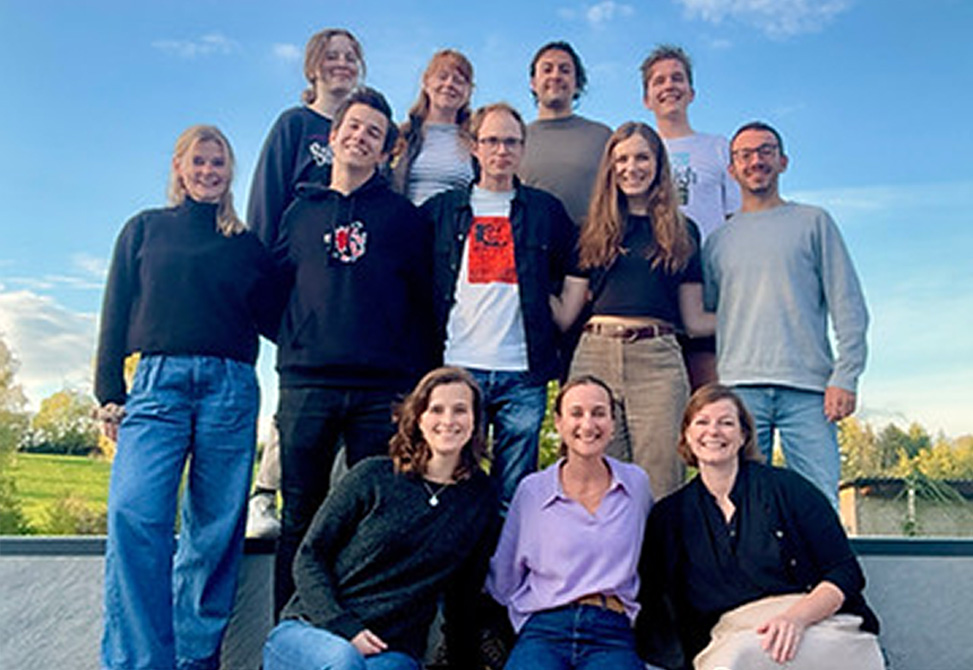
Reflecting recent work in the Hartrampf lab
Solid-phase peptide synthesis, SPPS, and native chemical ligation, NCL, are powerful methods for obtaining peptides and proteins that are otherwise inaccessible...
Vancomycin–Teixobactin
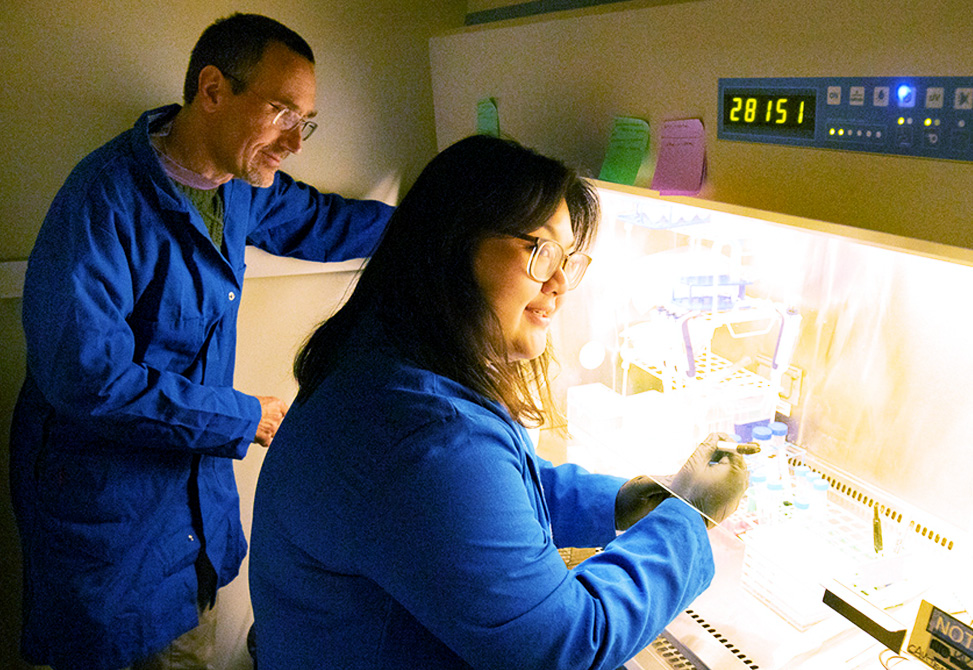
Reflecting recent work in the Nowick lab
Vancomycin, a cornerstone antibiotic for Gram-positive infections, faces diminishing efficacy due to the emergence of vancomycin-resistant Enterococci, VRE, and vancomycin-resistant...
Genome Mining
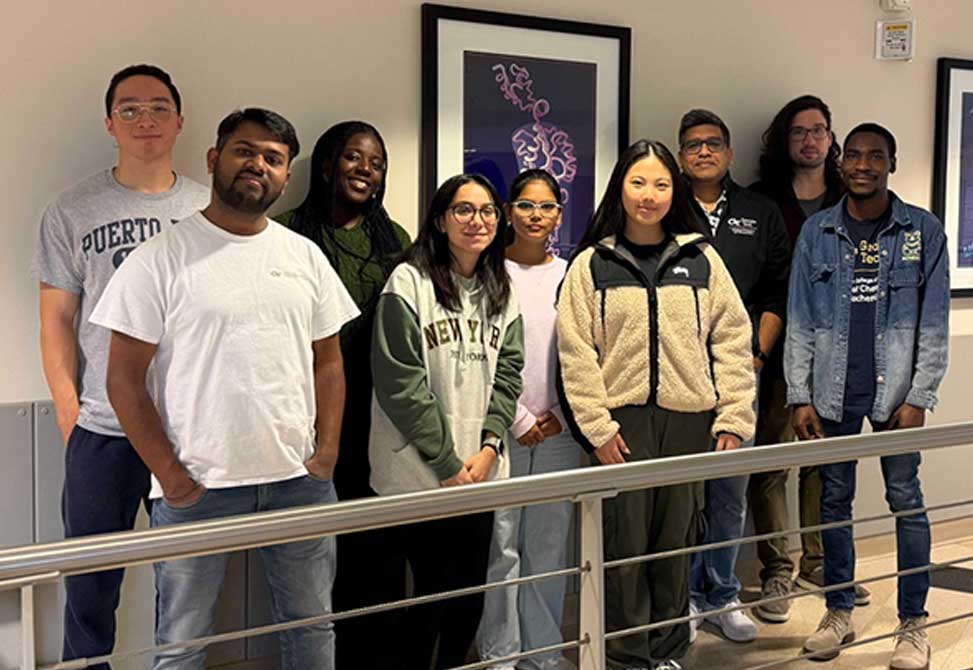
Reflecting recent work in the Agarwal lab
Brominated intermediates have long been favored in organic synthesis for their chemical versatility, particularly in transition-metal-assisted bond-forming reactions. The Agarwal and van der Donk study represents a significant leap...
Backbone Editing
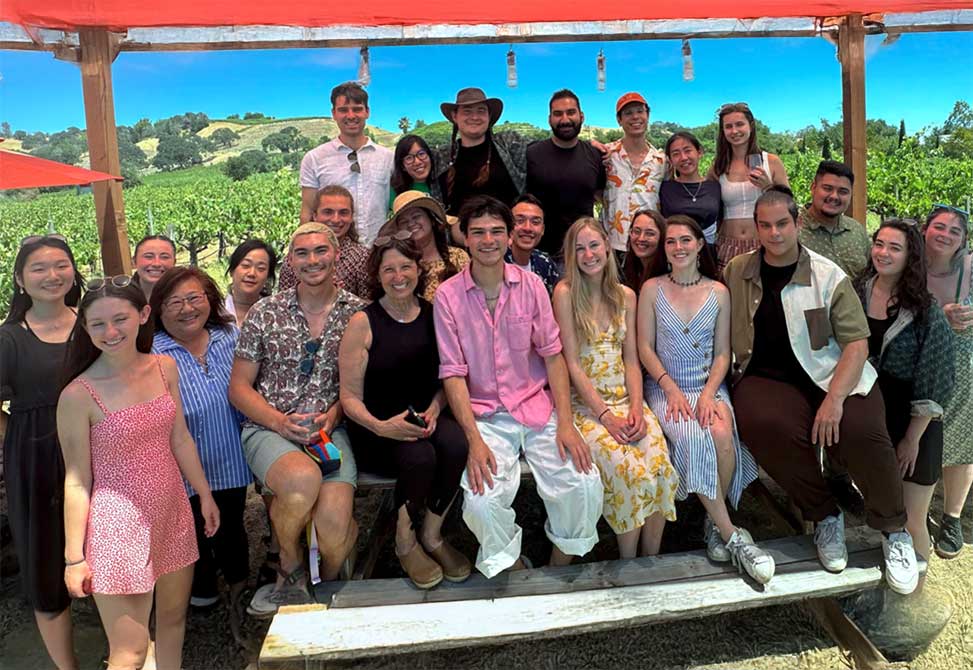
Reflecting recent work in the Schepartz lab
The ability to precisely manipulate the peptide backbone remains one of the fundamental challenges in biomolecular engineering. While ribosomal translation and peptide synthesis methods allow for modifications...
Super-Res Microscopy

Reflecting recent work in the Guha lab
Researchers in the Samit Guha Group at Jadavpur University, Kolkata, India, published in Bioconjugate Chemistry, report a groundbreaking approach to cancer imaging...
Selective Cyclization
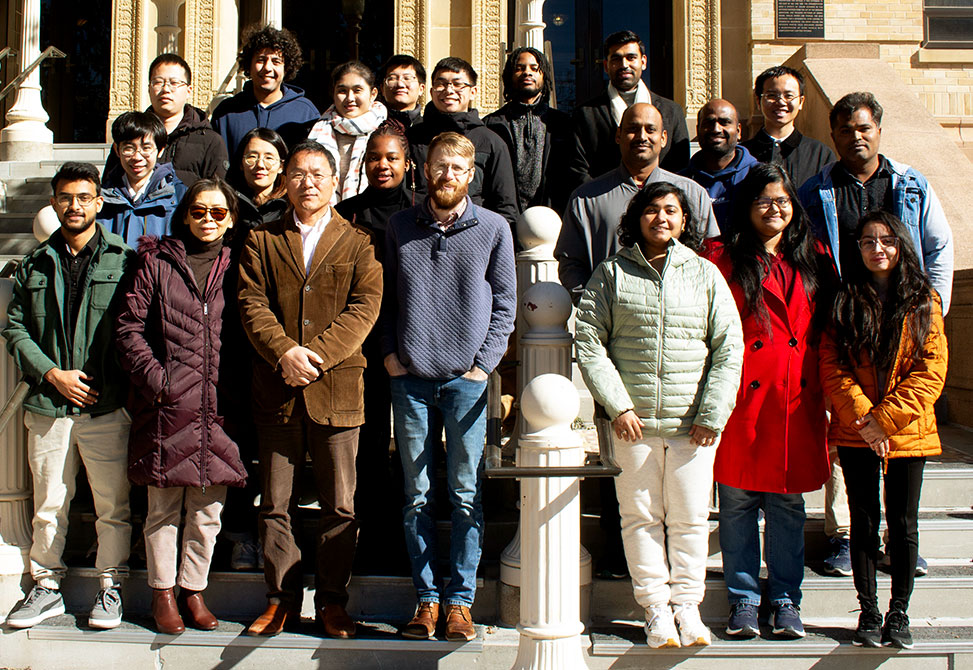
Reflecting recent work in the Liu lab
To address the limitations of current methods for peptide macrocyclization, which often rely on nonspecific small-molecule linkers...
Molecular Flasks

Reflecting recent work in the Woolfson lab
To address the formidable challenge of binding and orienting multiple small molecules for directed chemical reactions, researchers in the Woolfson and Oliver groups at the University of Bristol, published in...
Yeast CICLOPPS
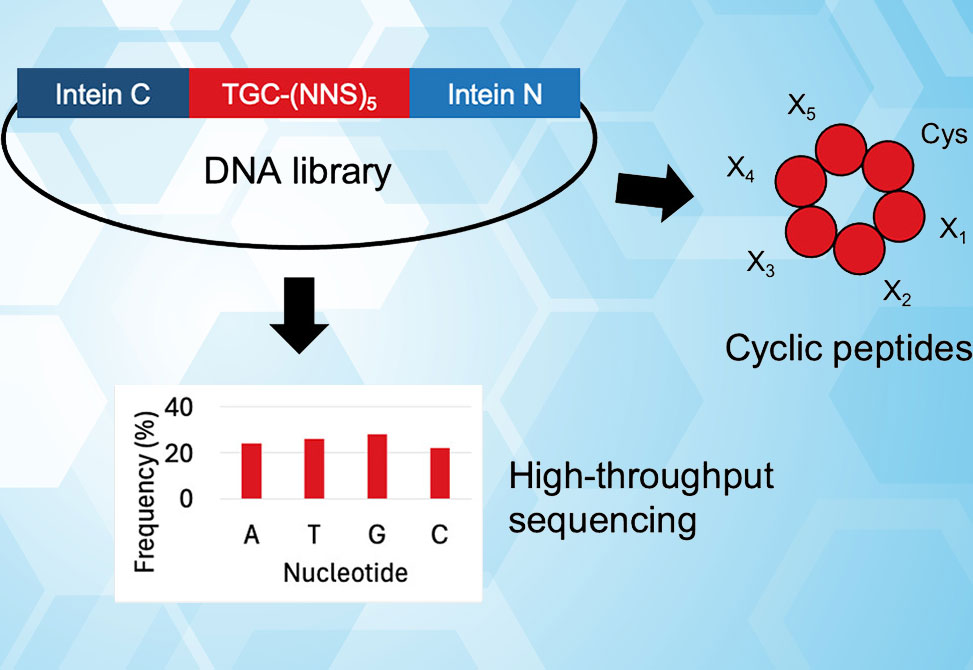
Reflecting recent work in the Knudsen lab
Researchers in the Knudsen Group at the University of Aarhus, Denmark, published in Biochemistry, report the construction of a Saccharomyces cerevisiae-specific SICLOPPS library of 80 million members...
Metallo-Azapeptides
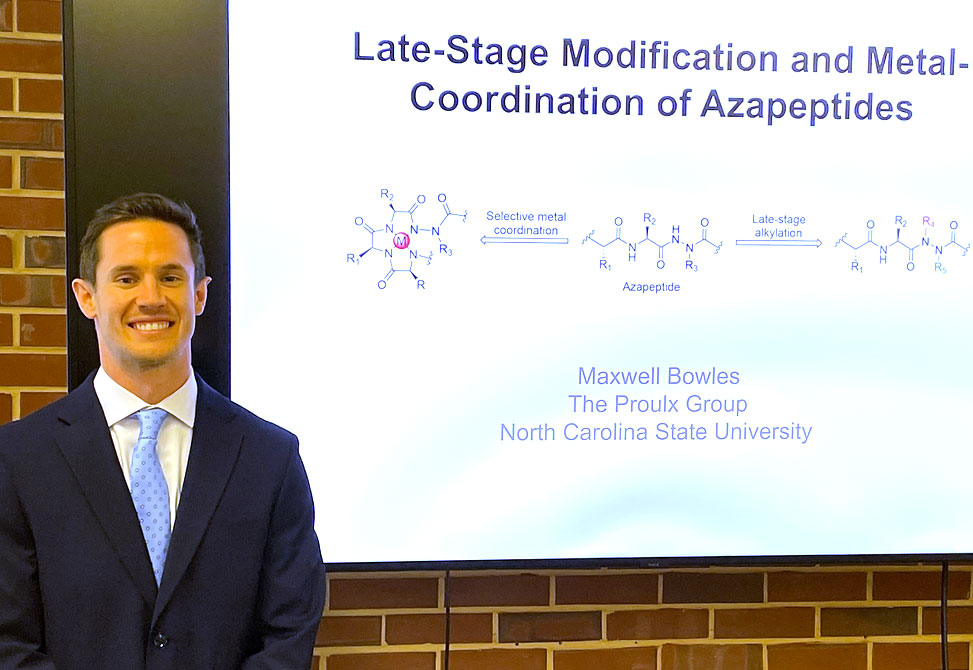
Reflecting recent work in the Proulx lab
Published in the Journal of the American Chemical Society, researchers in the Proulx group at the North Carolina State University at Raleigh, present the first approach to controlled metal chelation of peptide backbones...
Graspetides
Reflecting recent work in the Ding lab
Published in ACS Chemical Biology, researchers in the Ding Group at the University of Florida, reconstructed prunipeptin biosynthesis from Streptomyces coelicolor...
Mirror-Image mRNA
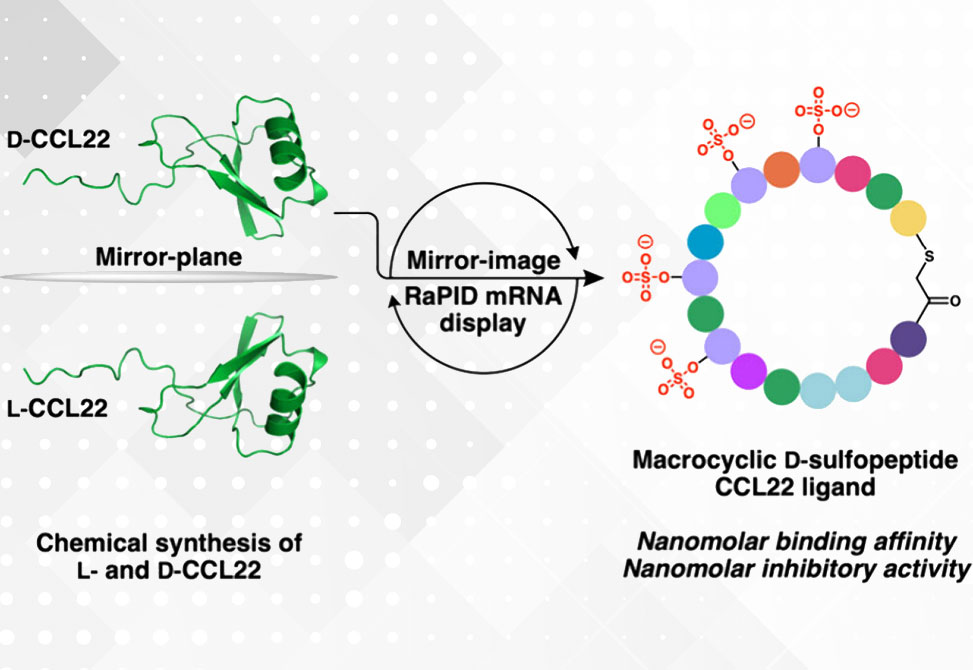
Reflecting recent work in the Payne lab
Chemokines are small proteins involved in recruiting leukocytes to sites of inflammation via interactions with specific cell surface receptors. CCL22 is a chemokine known to play a critical role in...
Genetical Encoding
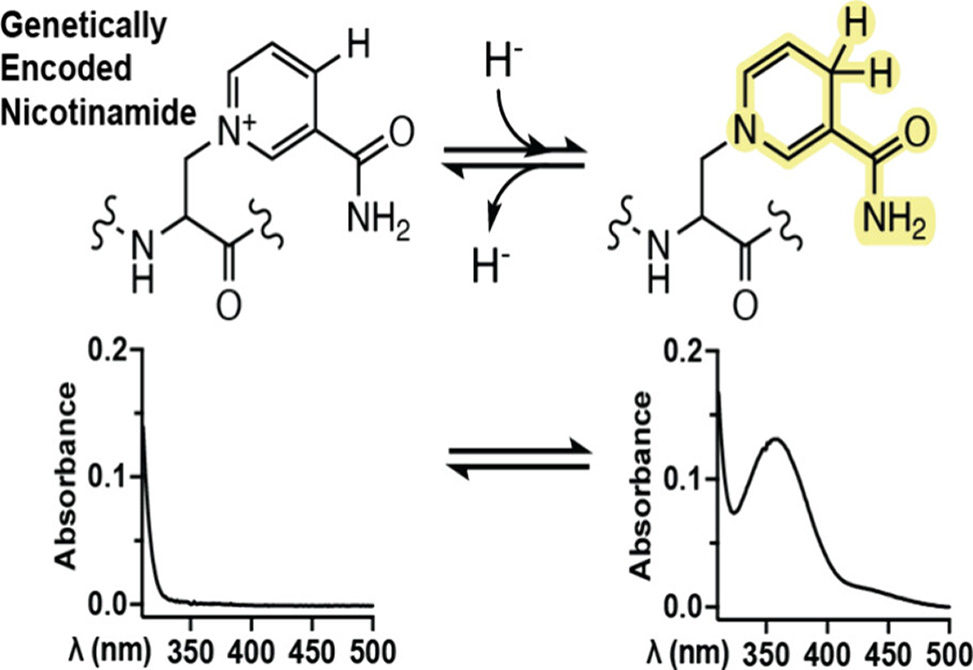
Reflecting recent work in the Schultz lab
Nicotinamide-containing cofactors play an essential role in many enzymes that catalyze two-electron redox reactions. However, it is difficult to engineer nicotinamide binding sites into proteins due to the extended nature...
Biomolecular Condensates
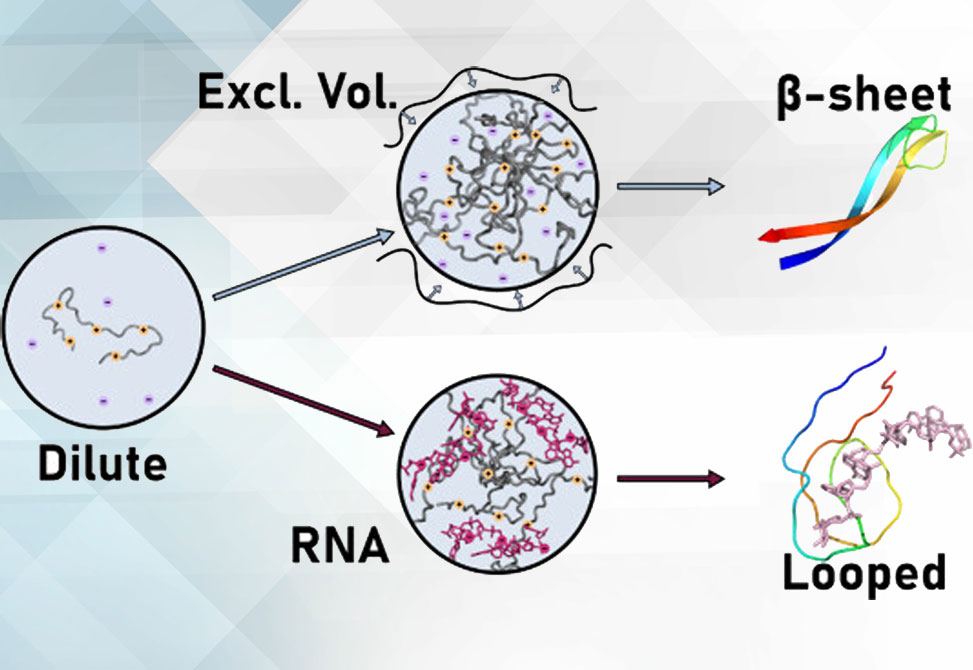
Reflecting recent work in the Baiz lab
Biomolecular condensates provide a mechanism for compartmentalization of biomolecules in eukaryotic cells. These liquid-like condensates are formed via liquid–liquid phase separation
Cyclodepsipeptides
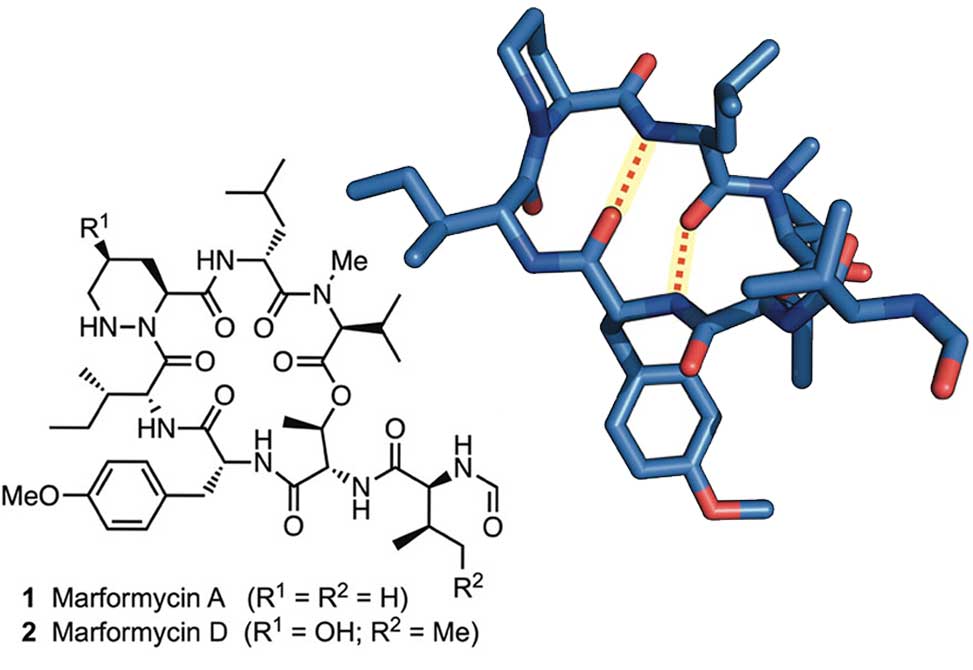
Reflecting recent work in the Del Valle lab
Members of the Del Valle Group at the University of Notre Dame, in collaboration with the Ebright Group at Rutgers, report in Organic letters, the synthesis of the antimicrobial cyclodepsipeptides...
Intracellular Antibodies
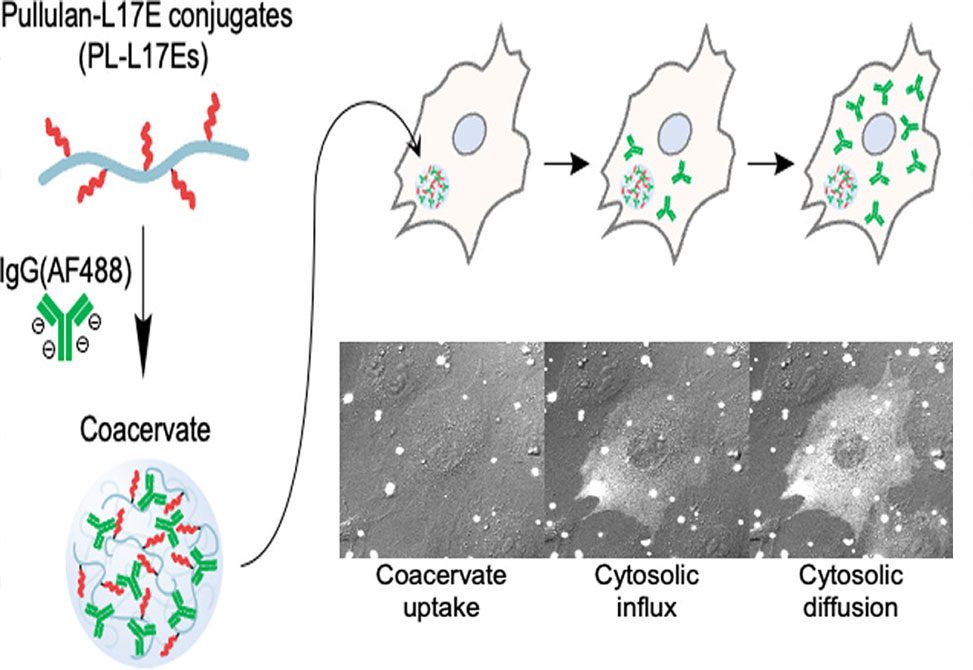
Reflecting recent work in the Futaki lab
Published in Bioconjugate Chemistry, researchers from Shiroh Futaki Group at the Kyoto University, prepared conjugates of the biocompatible polysaccharide pullulan with a cell membrane permeabilizing peptide...
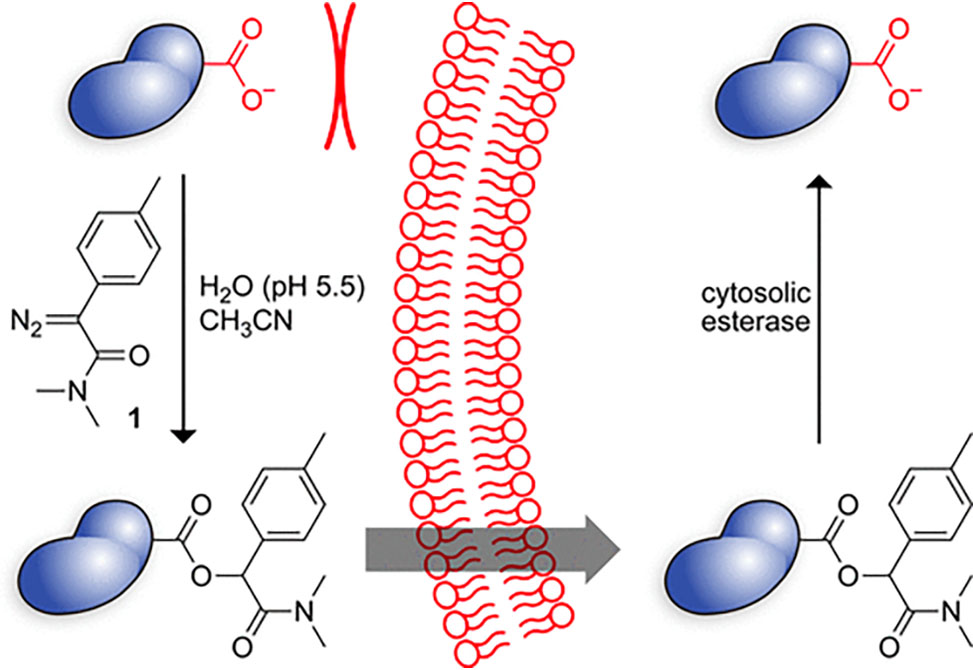
Mammalian Esterase Activity
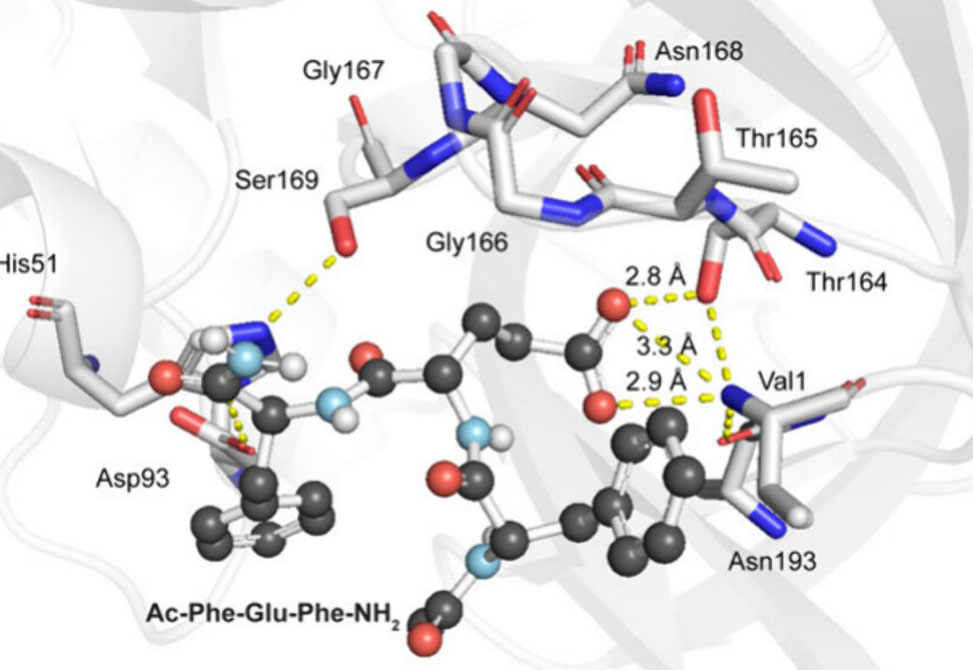
Reflecting recent work in the Raines lab
As a traceless, bioreversible modification, the esterification of carboxyl groups in peptides and proteins has the potential to increase their clinical utility. An impediment is the lack of strategies to quantify...
Anorexia and Weight Loss
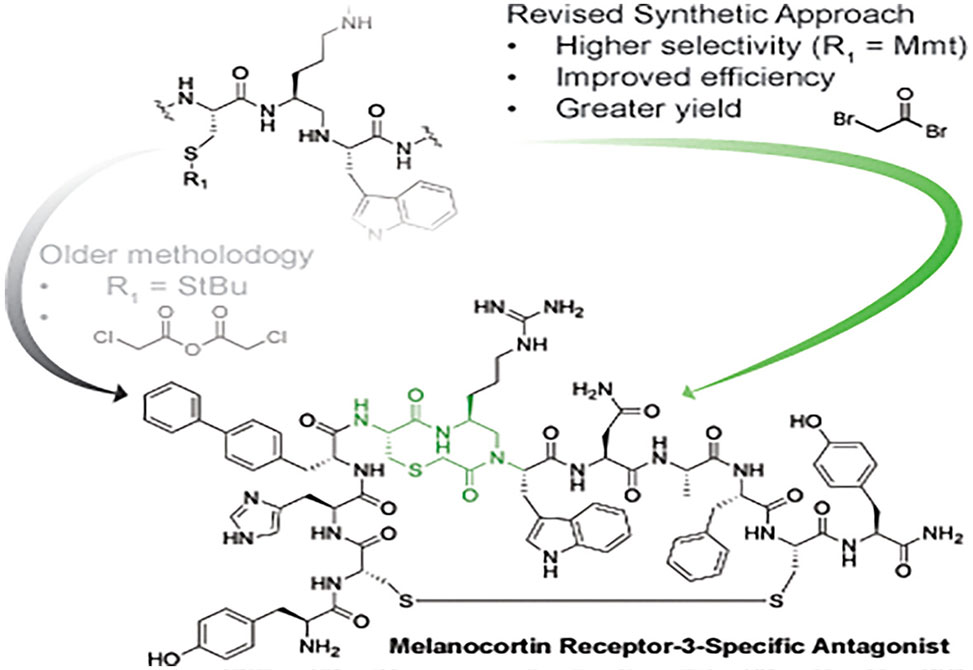
Reflecting recent work in the Mapp lab
The melanocortin-3 receptor, MC3R, is a G-protein coupled receptor that regulates appetite and is a potential therapeutic target for anorexia and weight loss treatments...
Macrocyclic Peptide Ligands
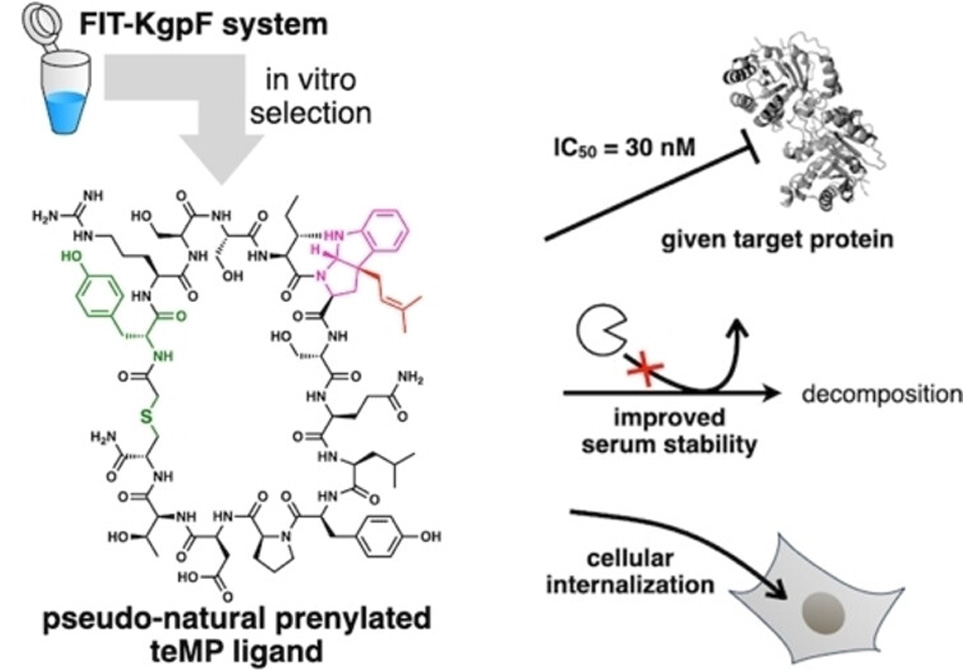
Reflecting recent work in the Suga lab
Prenylation of peptides is widely observed in the secondary metabolites of diverse organisms, granting peptides unique chemical properties distinct from proteinogenic amino acids. Discovery of...
Dominant Rotor Method
Reflecting recent work in the Yudin lab
Helical secondary structures, namely α- and 310-helices, comprise >60% of all secondary structures observed at protein–protein interactions, PPIs, and are responsible for the mediation of many biological...
Controlling Stereoselectivity
Reflecting recent work in the Wennemers lab
In a study from the Wennemers Lab at ETH, Zūrich, published in JACS, group members present an organocatalytic kinetic resolution to yield enantiomerically enriched β-branched aldehydes and γ-nitroaldehydes with three...
Highly Active & Stable Peptides

Reflecting recent work in the Suga lab
Nonproteinogenic amino acids, including D-α-, β-, and γ-amino acids, present in bioactive peptides play pivotal roles in their biochemical activities and proteolytic stabilities...
Antimicrobial Peptides
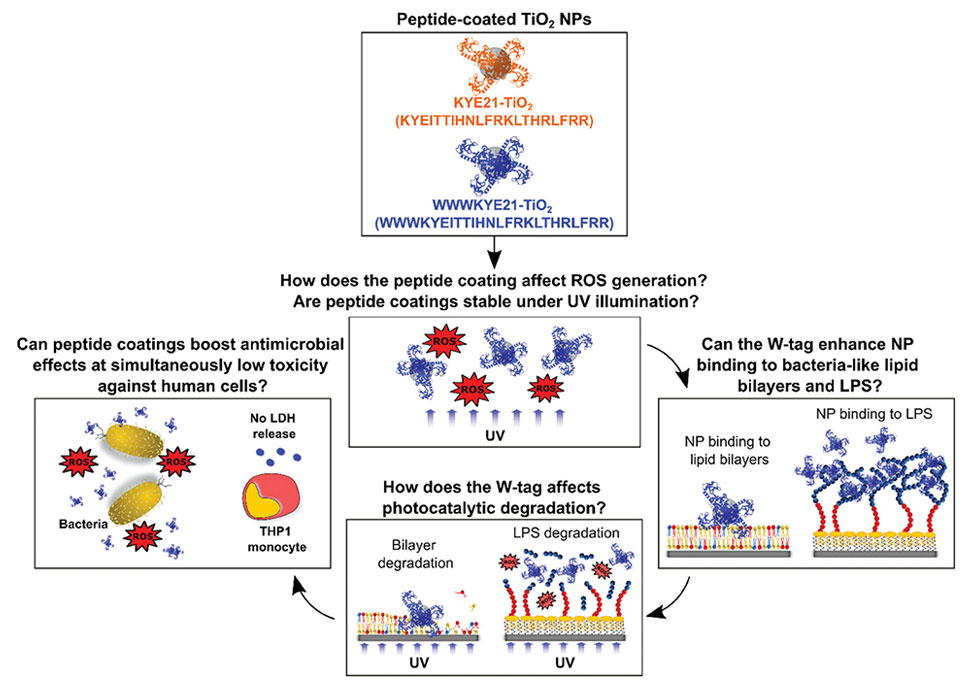
Reflecting recent work in the Malmsten lab
Published in Advanced Functional Materials, work by members of the Martin Malmsten group at the University of Lund, Sweden, explores the coating of photocatalytic nanoparticles with antimicrobial peptides...
Structure Transitions
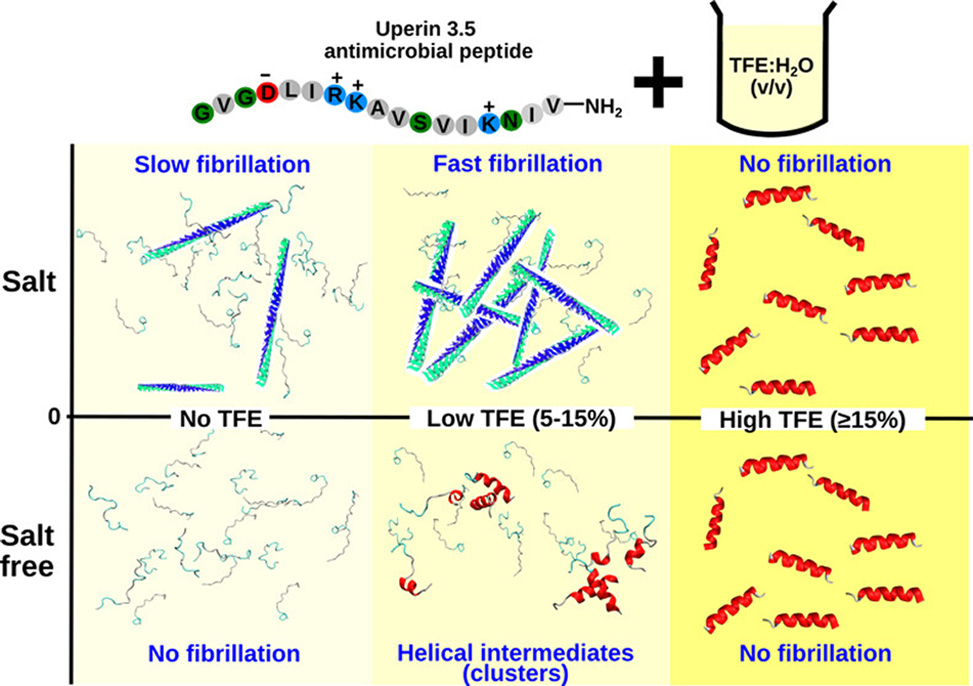
Reflecting recent work in the Martin lab
Membrane–peptide interactions are key to the formation of helical intermediates in the early stages of amyloidogenesis. Aqueous solutions of 2,2,2-trifluoroethanol...
Antimicrobial Lipopeptides
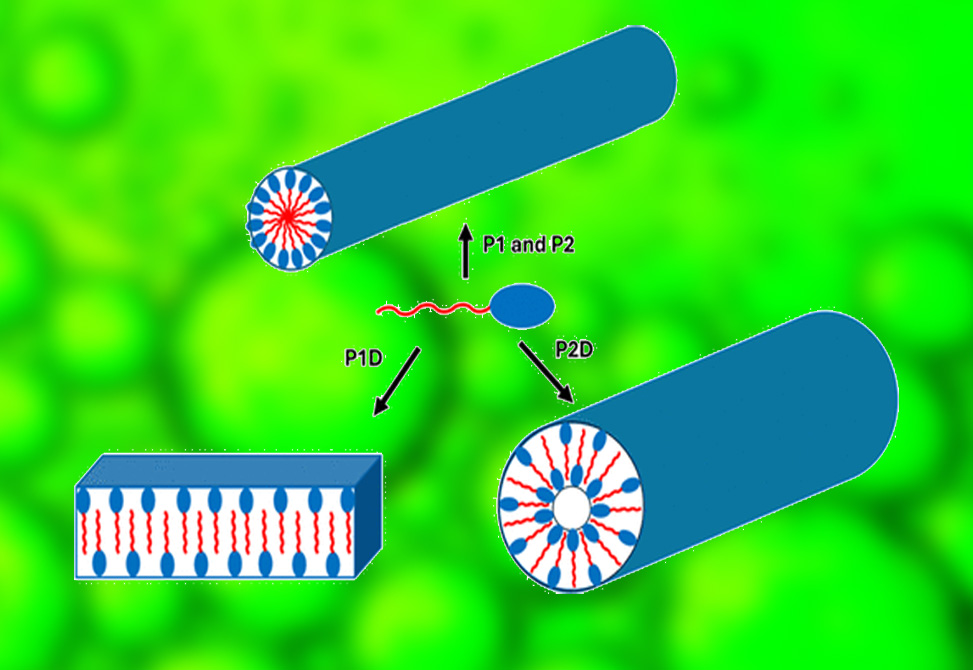
Reflecting recent work in the Hamley lab
Chirality plays a crucial role in the self-assembly of biomolecules in nature. Peptides show chirality-dependent conformation and self-assembly. Lipidation of peptides occurs in vivo...
"PickaPep" Application
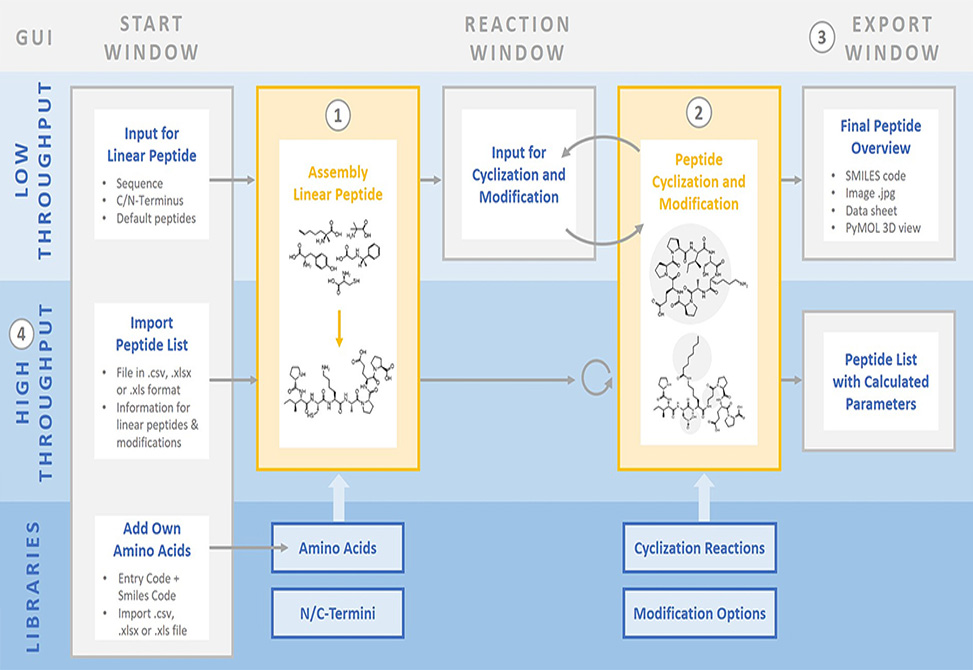
Reflecting recent work in the Steuer lab
Published in Peptide Science, the Steuer Group at ETH, Zūrich, presents "PICKAPEP," an application developed for Mac and Windows, enabling the virtual construction...
Infrared Scattering
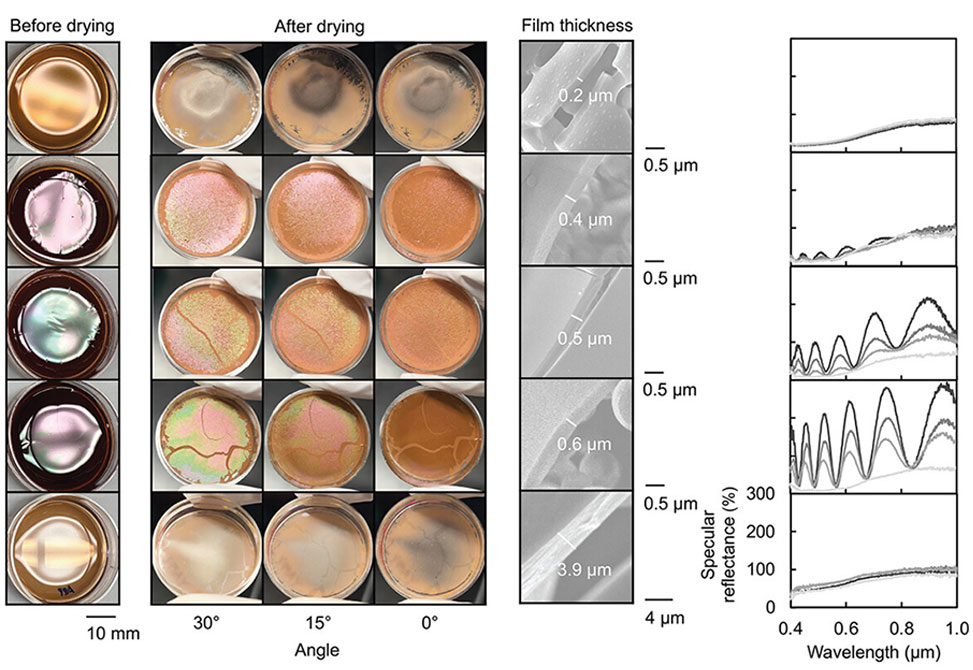
Reflecting recent work in the Voigt lab
Natural melanin polymers, biosynthesized from free tyrosine, assemble into microstructures that interact with light, producing a wide range of photonic properties. These structures...
Solid Polymer Electrolytes
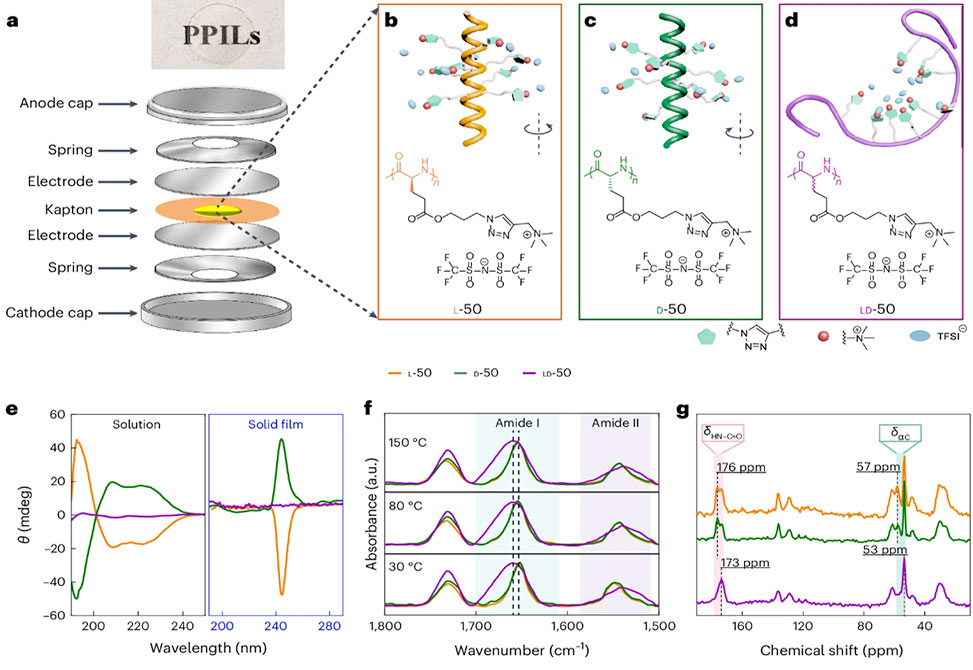
Reflecting recent work in the Evans lab
Ion transport is essential to energy storage, cellular signalling and desalination. Polymers have been explored for decades as solid-state electrolytes by either adding salt to polar polymers...
Non Classical Crystallization
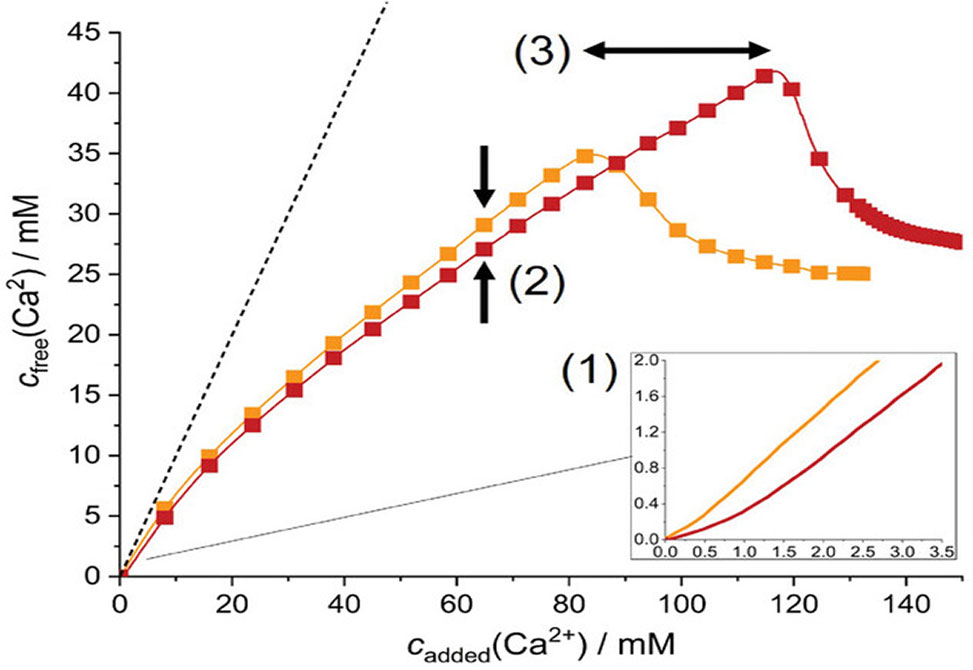
Reflecting recent work from BASF
In a recent study, published in Advanced Functional Materials, researchers in the Kellermeier Lab at BASF, have used phage display screening to identify peptide motifs...
Polarized Luminescence
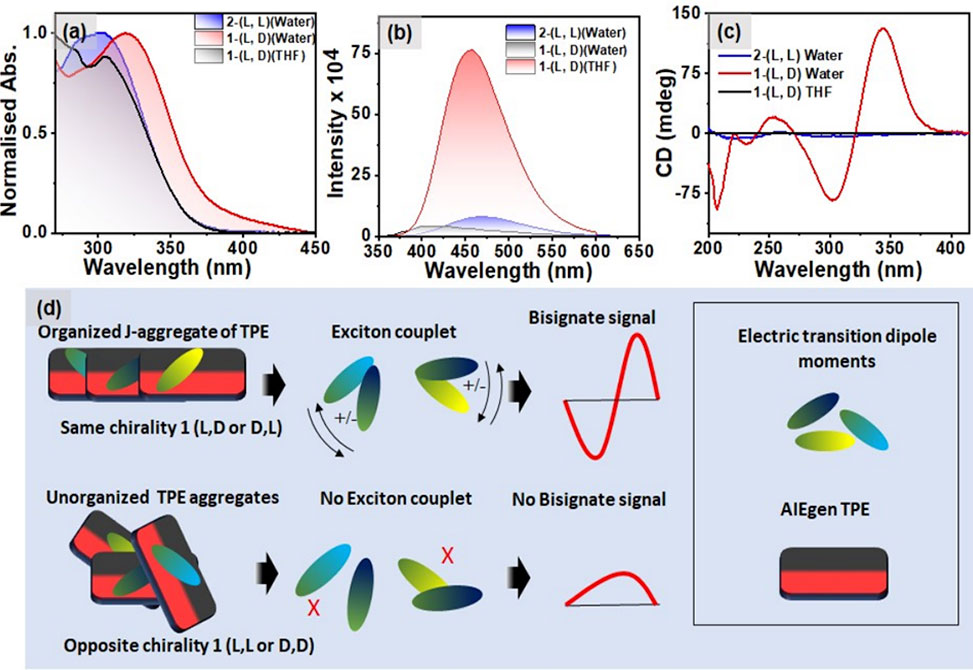
Reflecting recent work in the Bhattacharya lab
Circularly polarized luminescence, CPL, is gaining interest across various disciplines, including materials science, pharmaceuticals, and sensing technologies. Organic molecules...
Self-Healable Composites
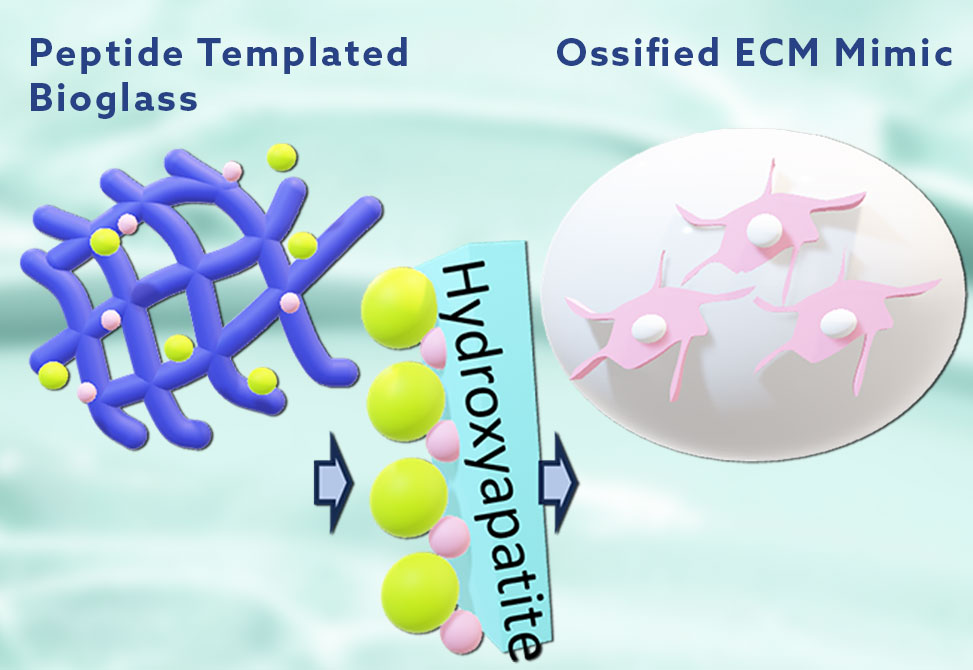
Reflecting recent work in the Pal lab
Crystalline materials exhibiting non-centrosymmetry and possessing substantial surface dipole moments play a critical role in piezoelectricity. Designing biocompatible self-assembled materials...
Virus Disinfection
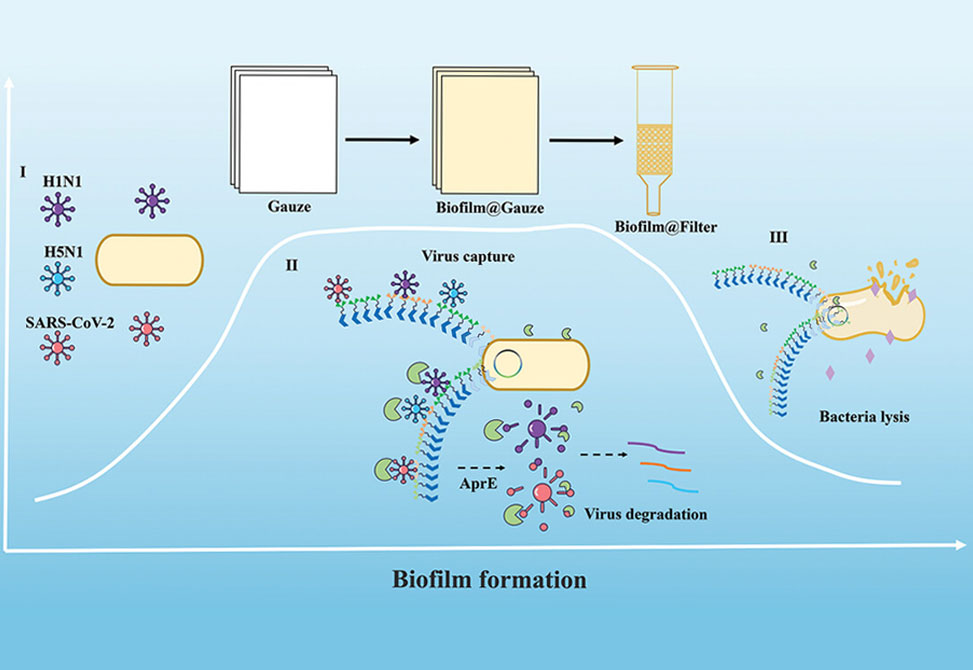
Reflecting recent work in the Huang lab
Global pandemics caused by pathogenic viruses have highlighted the need to develop effective and sustainable materials to defend against these viruses. However, most commercial viral disinfection...
Macroscopic Dipoles
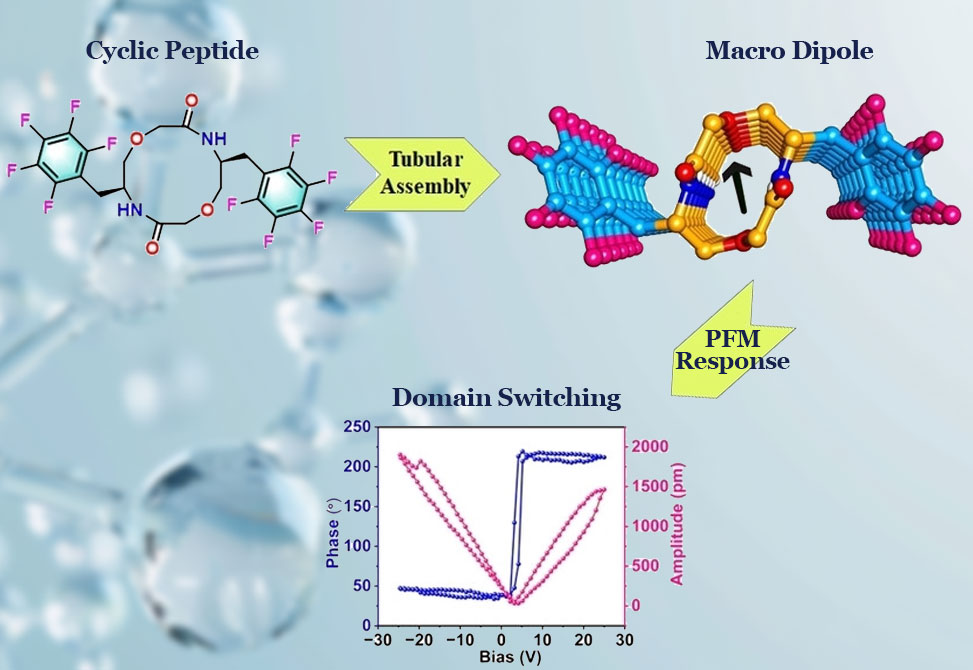
Reflecting recent work in the Gopi lab
Crystalline materials exhibiting non-centrosymmetry and possessing substantial surface dipole moments play a critical role in piezoelectricity. Designing biocompatible self-assembled materials...
Solid-Phase Synthesis
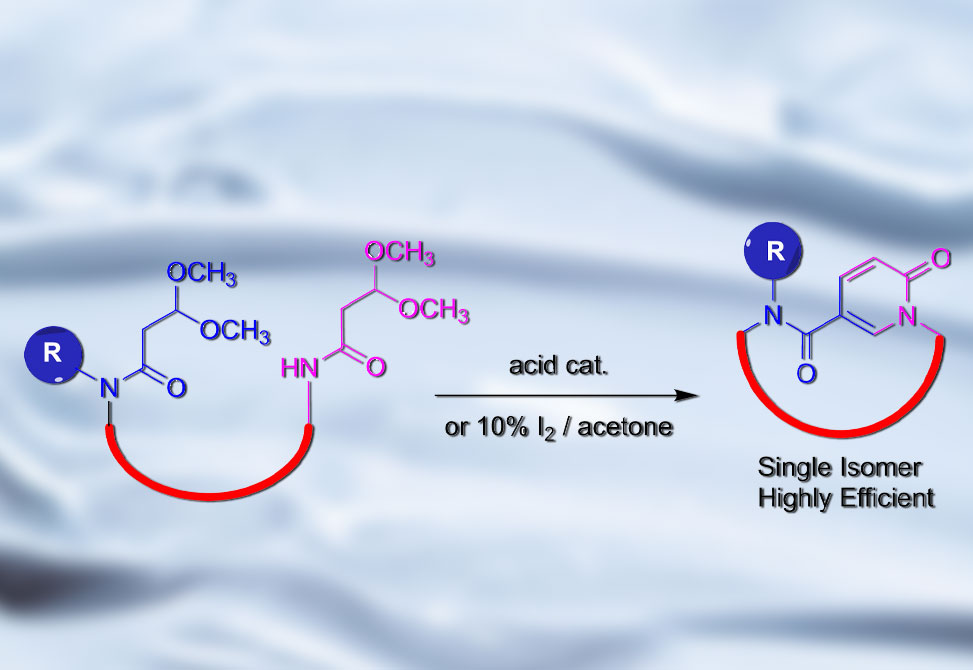
Reflecting recent work in the Kodadek lab
Many disease-causing proteins lack deep, readily ligandable pockets. Macrocyclic peptides and peptidomimetic compounds are one class of molecules that have shown promise in engaging these...
Bicyclic Helical Peptides
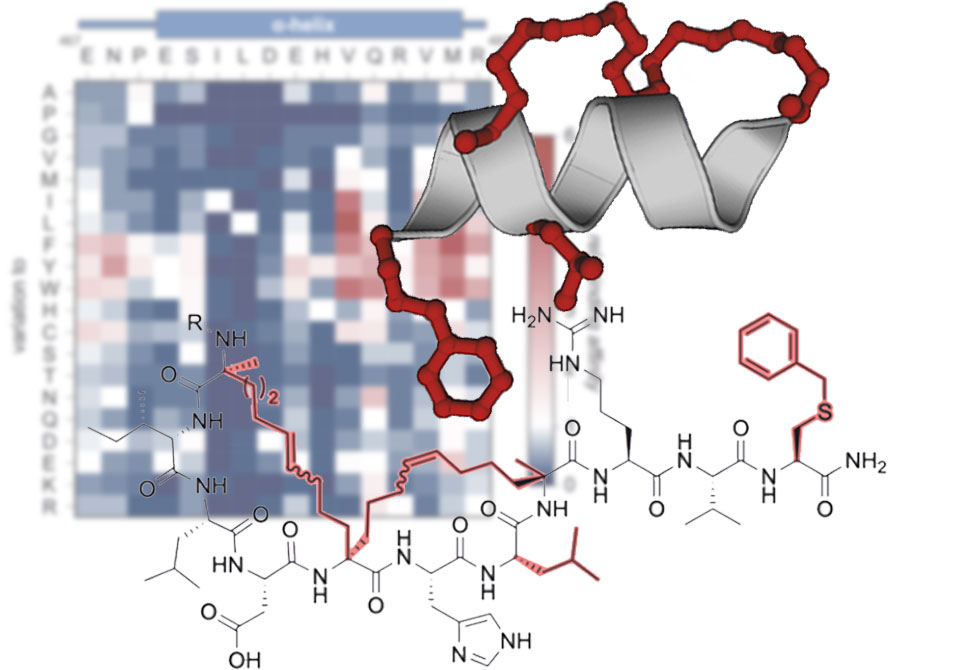
Reflecting recent work in the Grossmann lab
The inhibition of intracellular protein-protein interactions is challenging, in particular, when involved interfaces lack pronounced cavities. The transcriptional co-activator protein...
Peptide Permeation
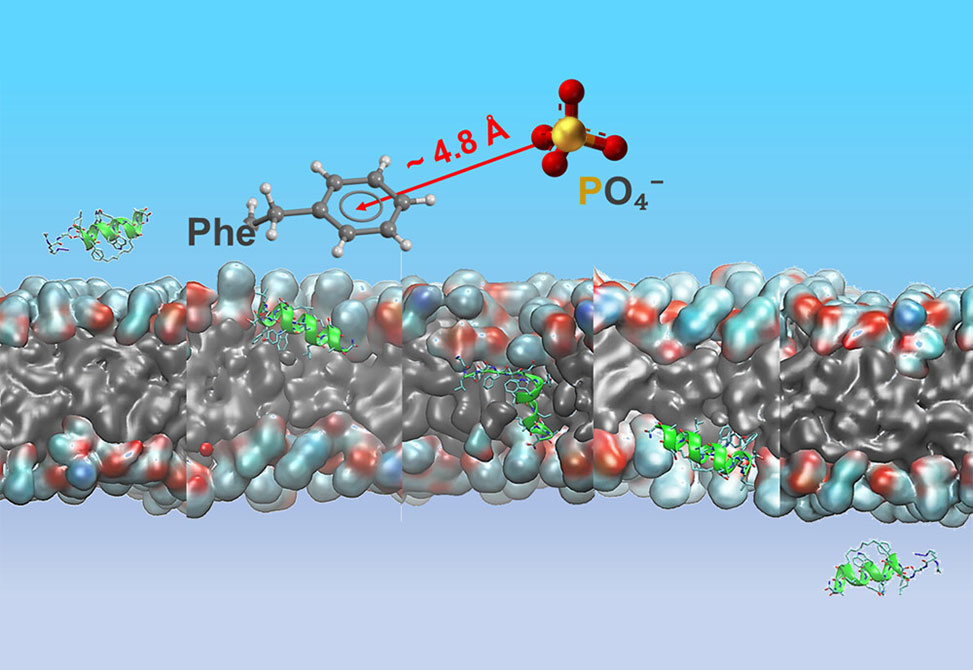
Reflecting recent work in the Su lab
Macrocyclic peptides show promise in targeting high-value therapeutically relevant binding sites due to their high affinity and specificity. However, their clinical application...
Lipopeptidomimetics Tool
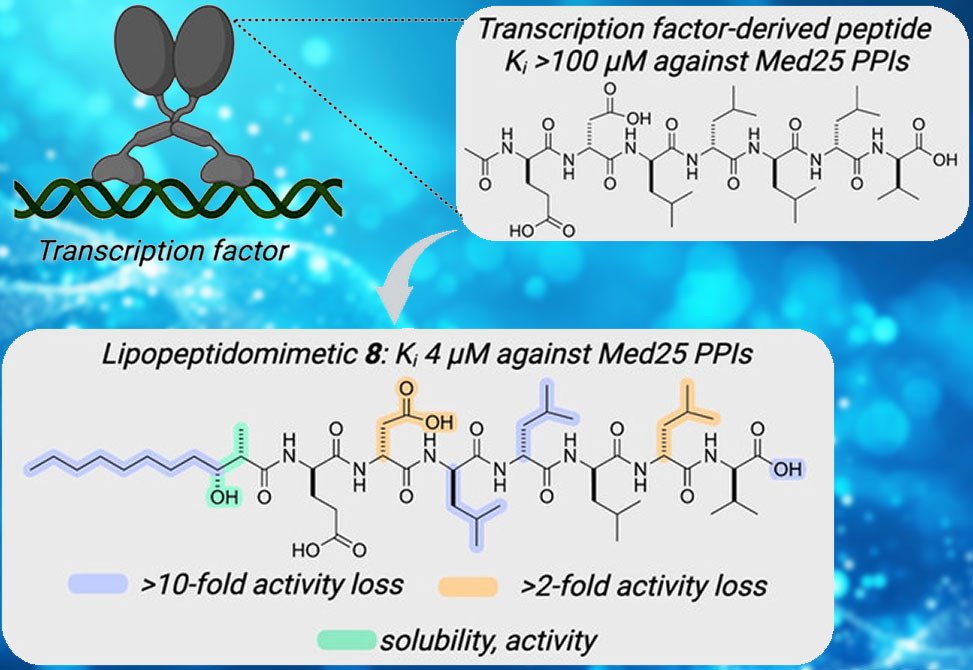
Reflecting recent work in the Mapp lab
A short, amphipathic peptide derived from transcriptional activators is transformed from a weak inhibitor of transcriptional protein–protein interactions (PPIs) to an effective inhibitor...
Antihapten Antibodies
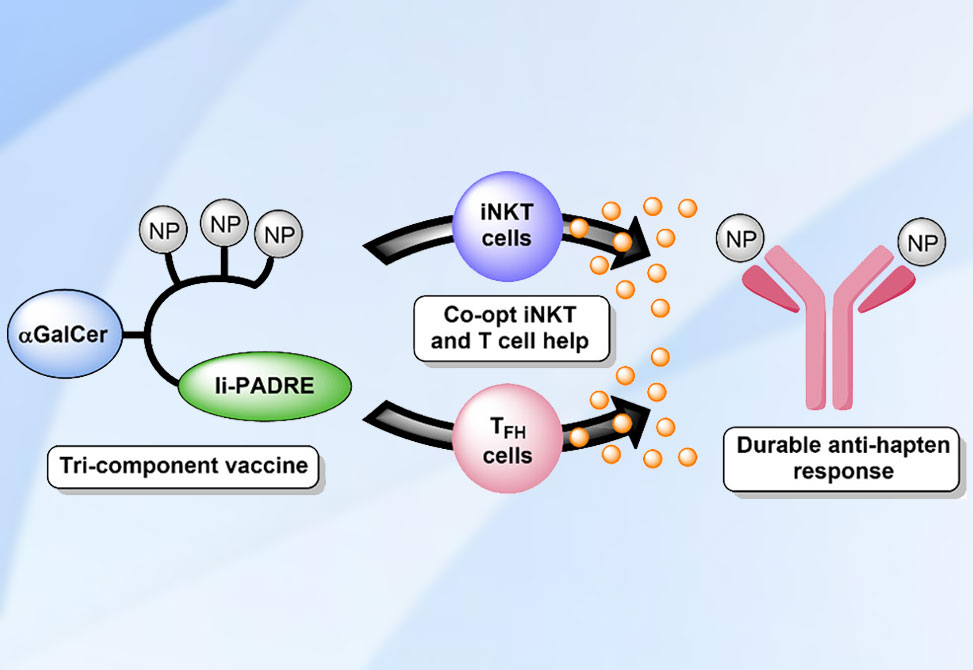
Reflecting recent work in the Compton lab
Eliciting an antihapten antibody response to vaccination typically requires the use of constructs where multiple copies of the hapten are covalently attached to a larger carrier molecule...
Defining the Limits

Reflecting recent work in the Jongkees lab
Messenger RNA, mRNA, display is being increasingly adopted for peptide drug candidate discovery. While many conditions have been reported for the affinity enrichment step and in some cases...
Max Cell Penetration

Reflecting recent work in the Kritzer lab
In an article featured on the cover of ACS Chemical Biology, Nefeli Batistou from the Kritzer Lab at Tufts, describes techniques now being used to reveal differential penetration...
Backbone N-Methylation
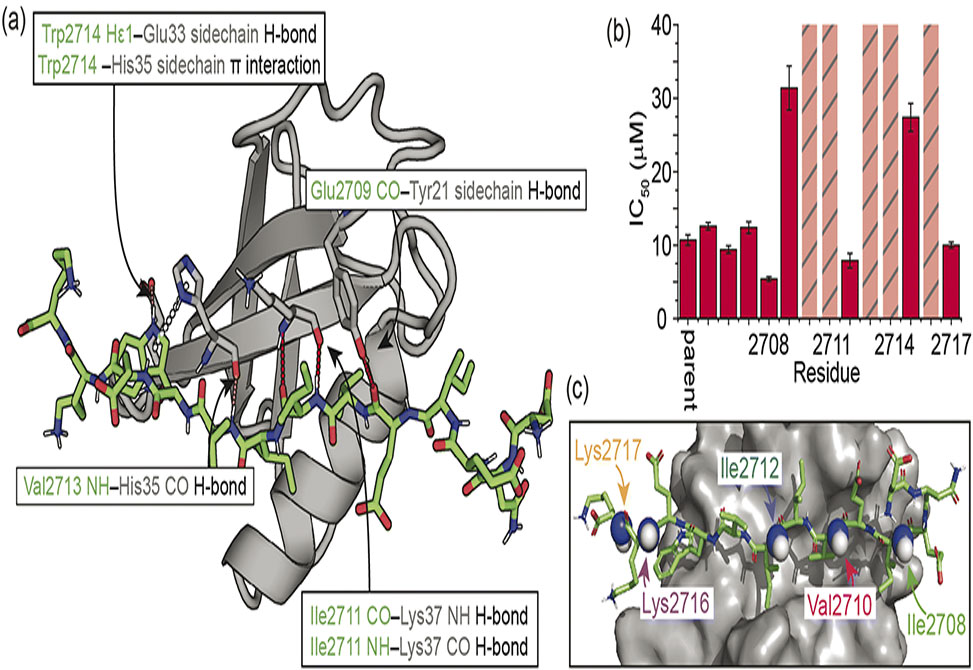
Reflecting recent work in the Wilson lab
A significant challenge in chemical biology is to understand and modulate protein–protein interactions, PPIs. Given that many PPIs involve a...
Macrocyclic Peptides
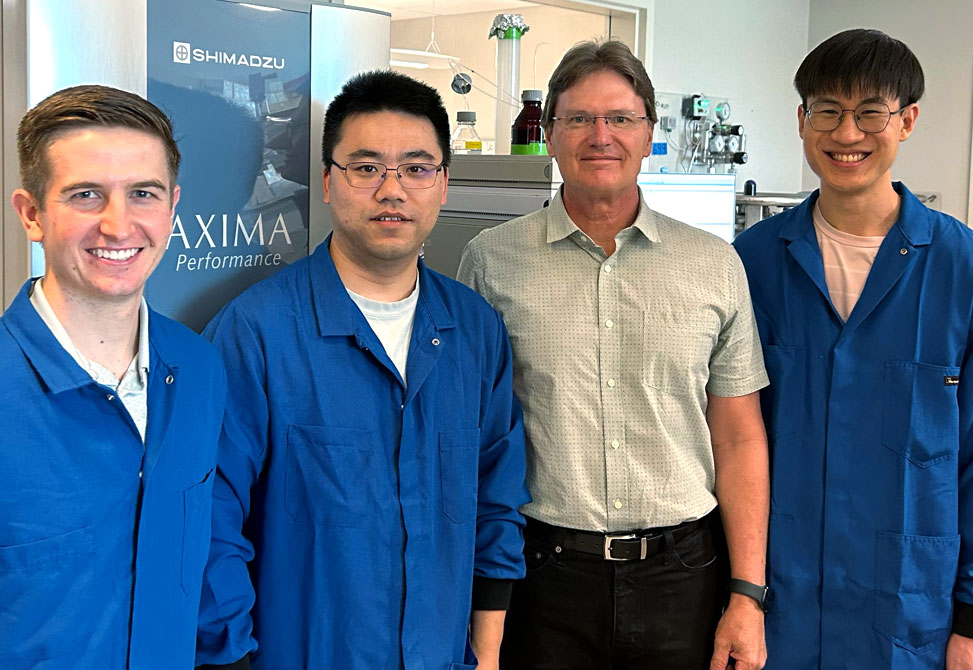
Reflecting recent work in the Kodadek lab
Macrocyclic peptides, MPs, are a class of compounds that have been shown to be particularly well suited for engaging difficult protein targets. However, their utility...
Peptide Receptors
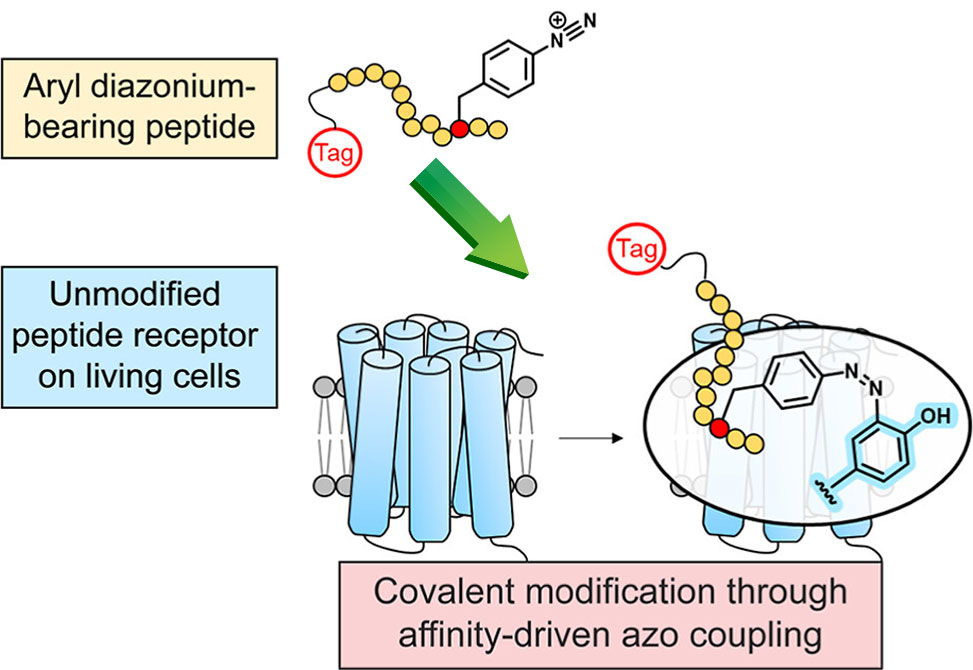
Reflecting recent work in the Checco lab
Peptide–receptor interactions play critical roles in a wide variety of physiological processes. Methods to link bioactive peptides covalently to unmodified receptors...
Backbone Modification
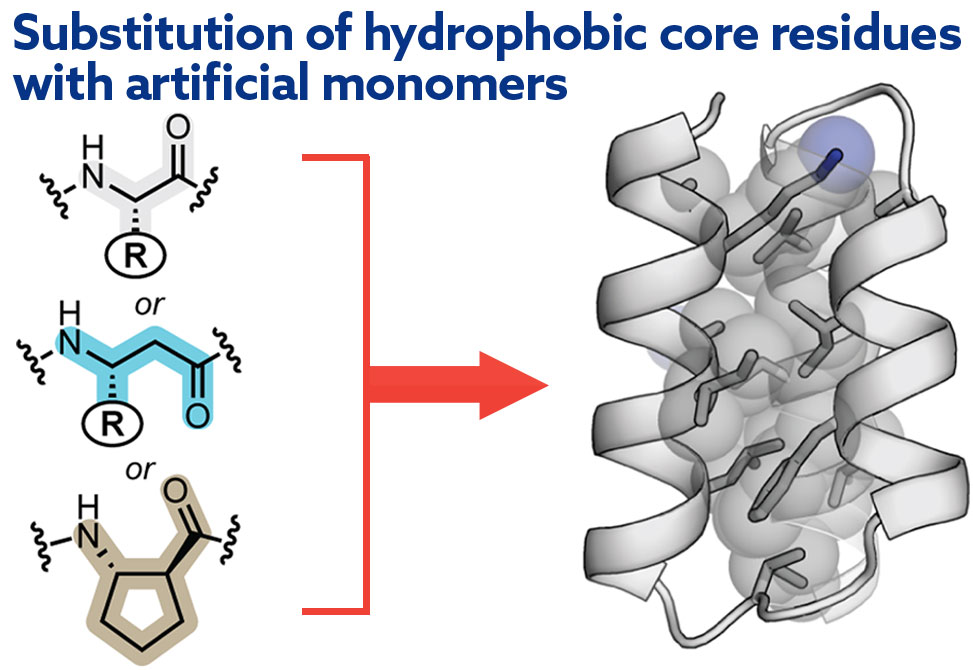
Reflecting recent work in the Horne lab
Targeted protein backbone modification can recreate tertiary structures reminiscent of folds found in nature on artificial scaffolds with improved biostability...
Site-Specific Probes
Reflecting recent work in the Jackson lab
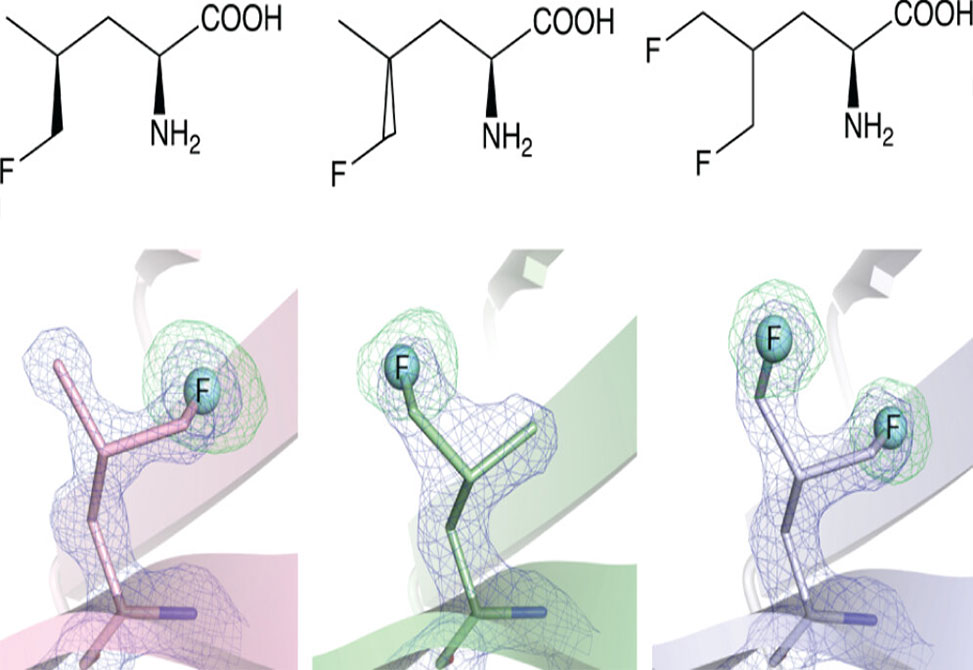
Proteins produced with leucine analogues, where CH2F groups substitute specific methyl groups, can readily be probed by 19F NMR spectroscopy...
Triceptide Biocatalysts
Reflecting recent work in the Morinaka lab
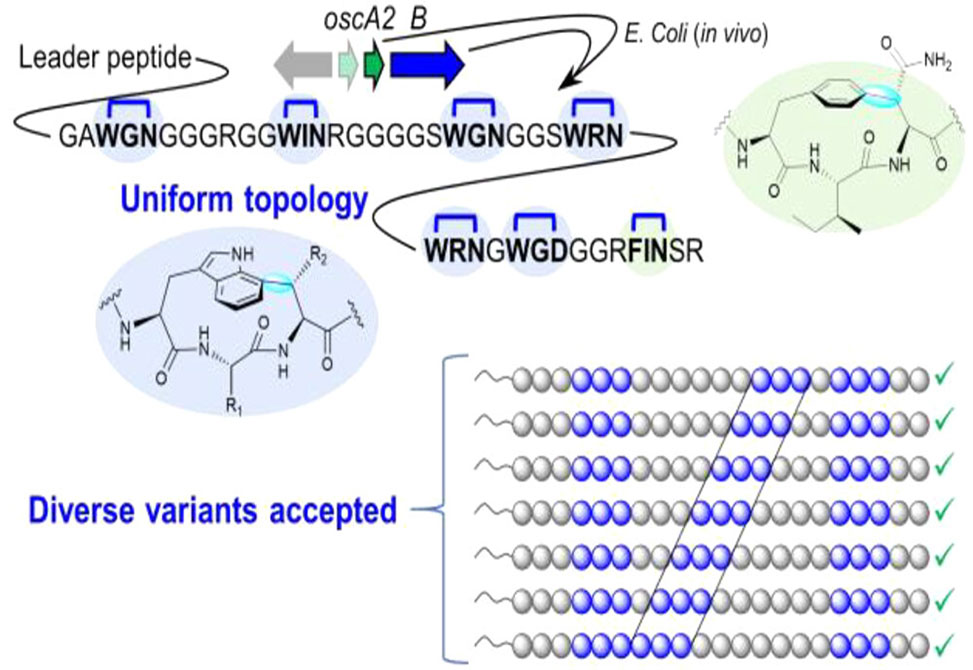
Triceptides are a class of ribosomally synthesized and post-translationally modified peptides defined by an aromatic C(sp2) to Cβ(sp3) bond...
Ephrin Receptors
Reflecting recent work in the Sawyer lab
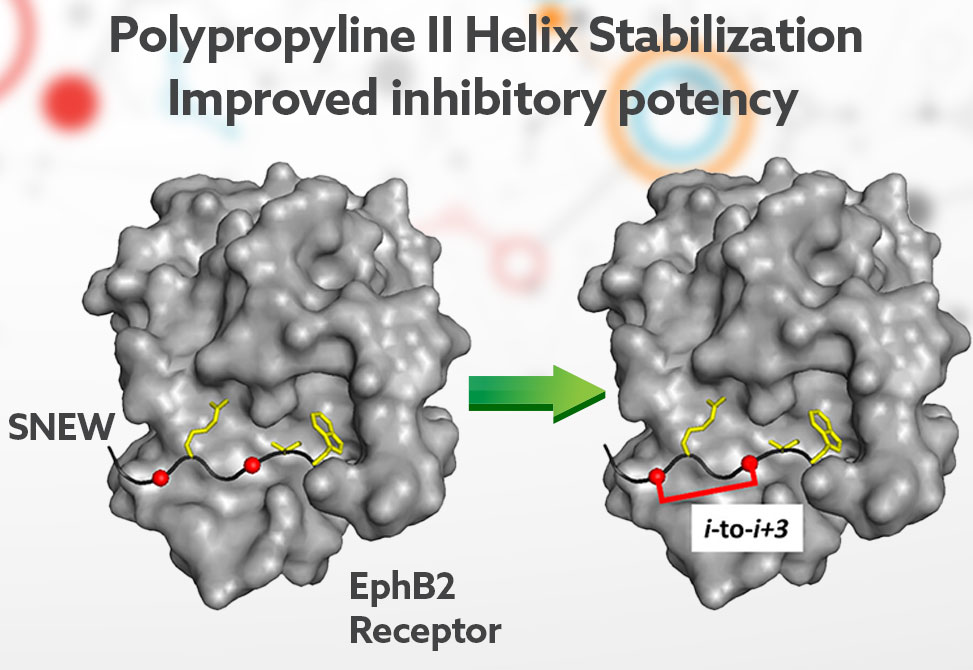
Ephrin, Eph, receptors are the largest family of receptor tyrosine kinases. Interactions between Eph receptors and their membrane-bound ephrin protein ligands are...
Lasso Peptides
Reflecting recent work in the Hartrampf lab
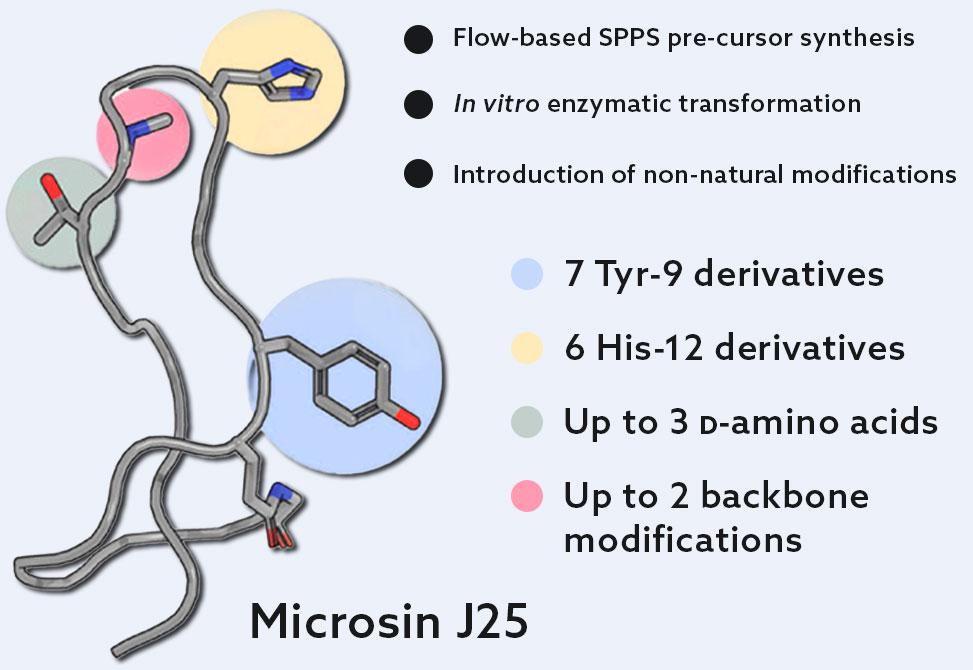
As the chemical space of MccJ25 analogues accessible through purely biological methods is also limited, researchers in the Hartrampf Lab propose a hybrid approach...
Antifungal Resistance
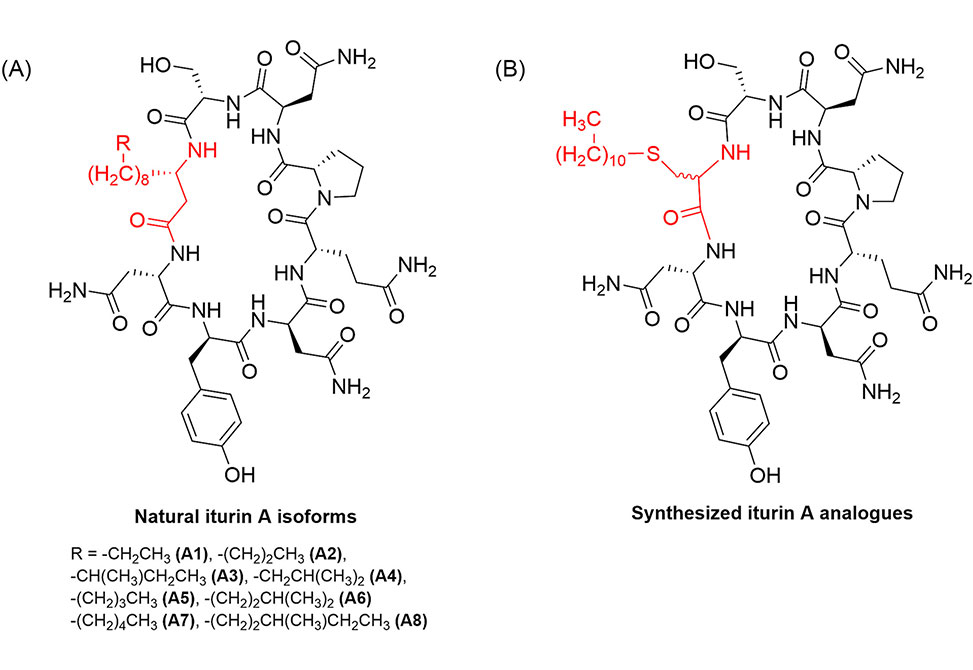
Reflecting recent work in the Rubini lab
The pursuit of novel antifungal agents is imperative to tackle the threat of antifungal resistance, which poses major risks to both human health and to food security...
Custom Click Biochemistry
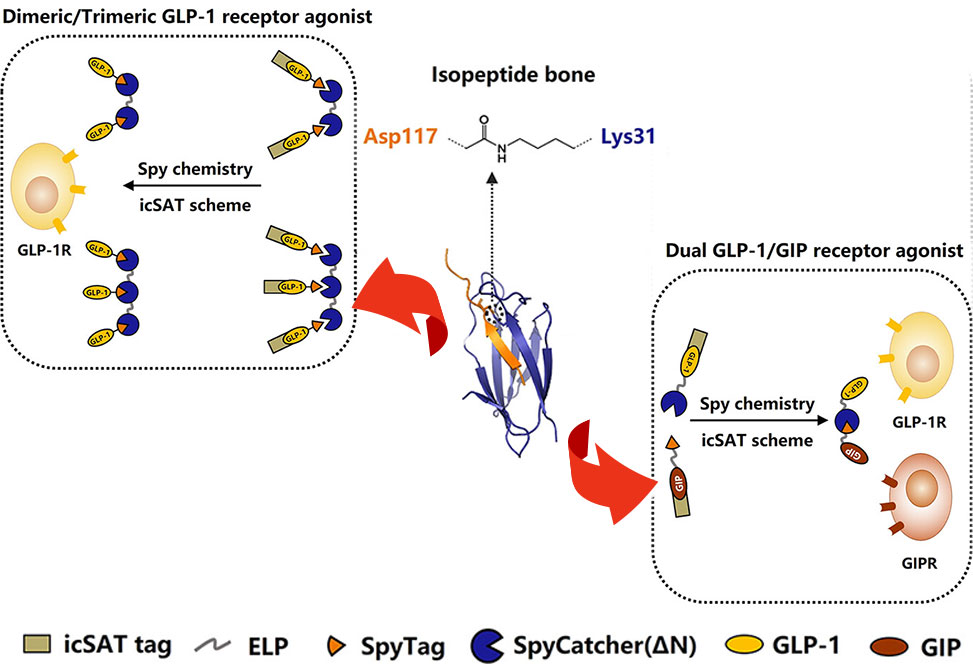
Reflecting recent work in the Yang lab
The development of oligomeric glucagon-like peptide-1, GLP-1, and GLP-1-containing coagonists holds promise for enhancing the therapeutic potential of the GLP-1-based drugs...
CGRP-Responsive Receptor
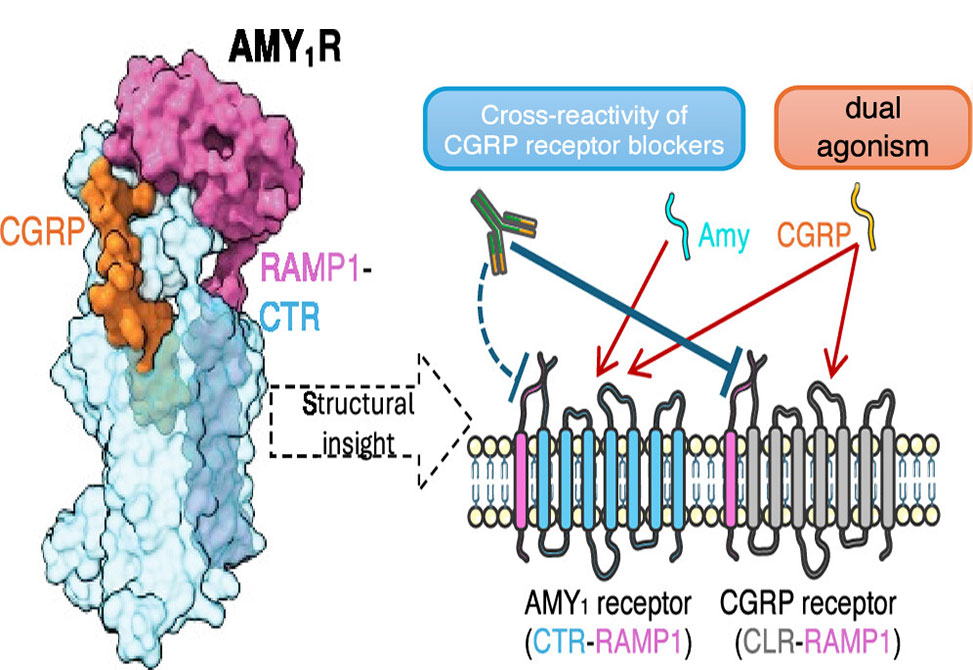
Reflecting recent work in the Sexton lab
Inhibition of calcitonin gene-related peptide, CGRP, or its cognate CGRP receptor, CGRPR, has arisen as a major breakthrough in the treatment...
Proline Conformation
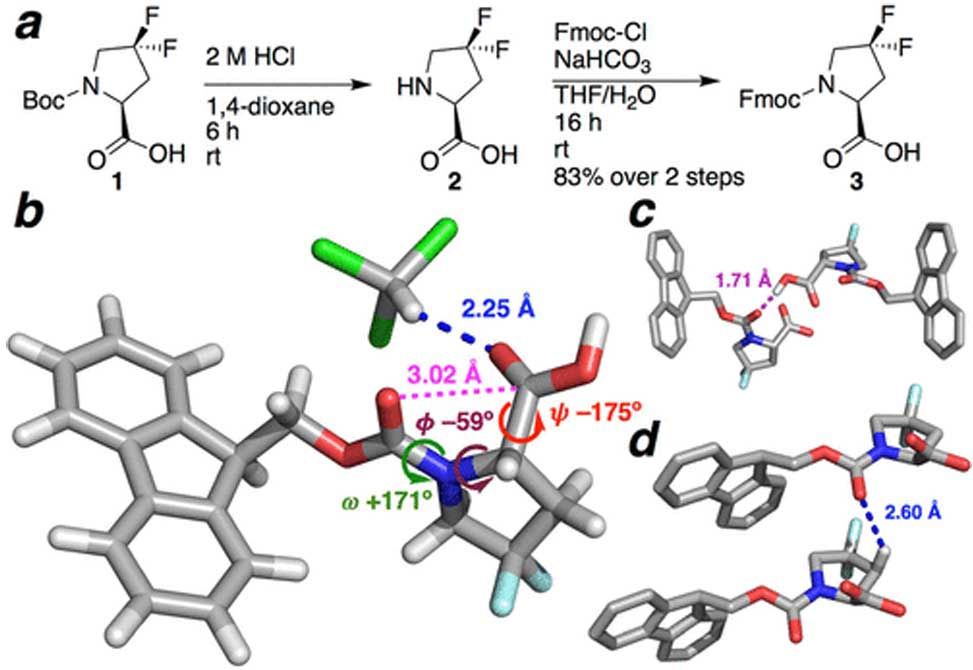
Reflecting recent work in the Zondlo lab
Using Dfp, researchers in the Zondlo lab at the University of Delaware, published in Biochemistry, discovered that the stable polyproline II helix, PPII...
Graspetide Biosynthesis
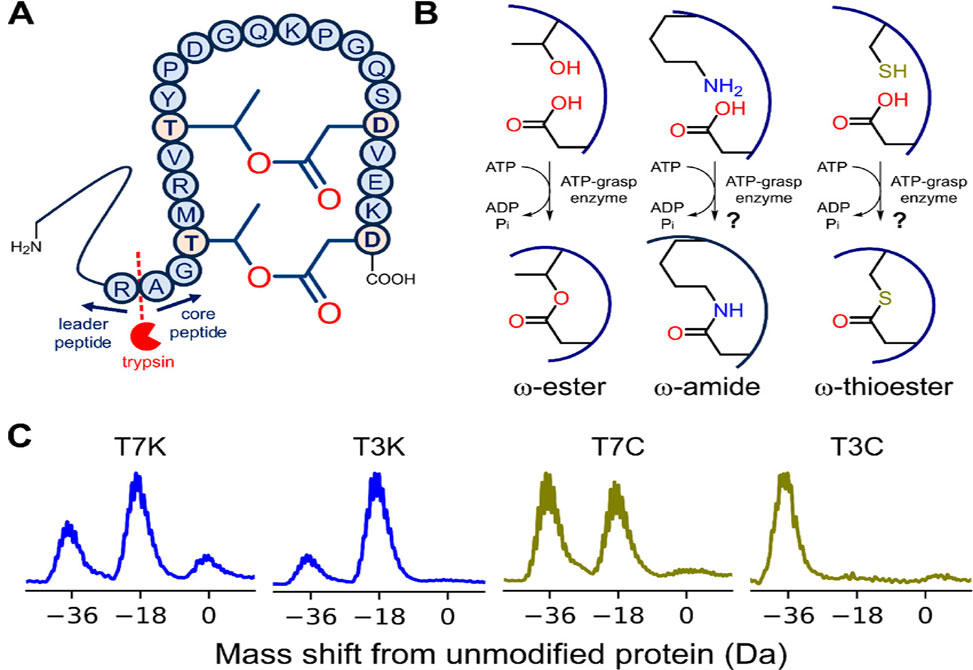
Reflecting recent work in the Link lab
The ribosomally synthesized and post-translationally modified peptide, RiPP, superfamily of natural products includes many examples of cyclic peptides with diverse...
Peptide Imidazolones
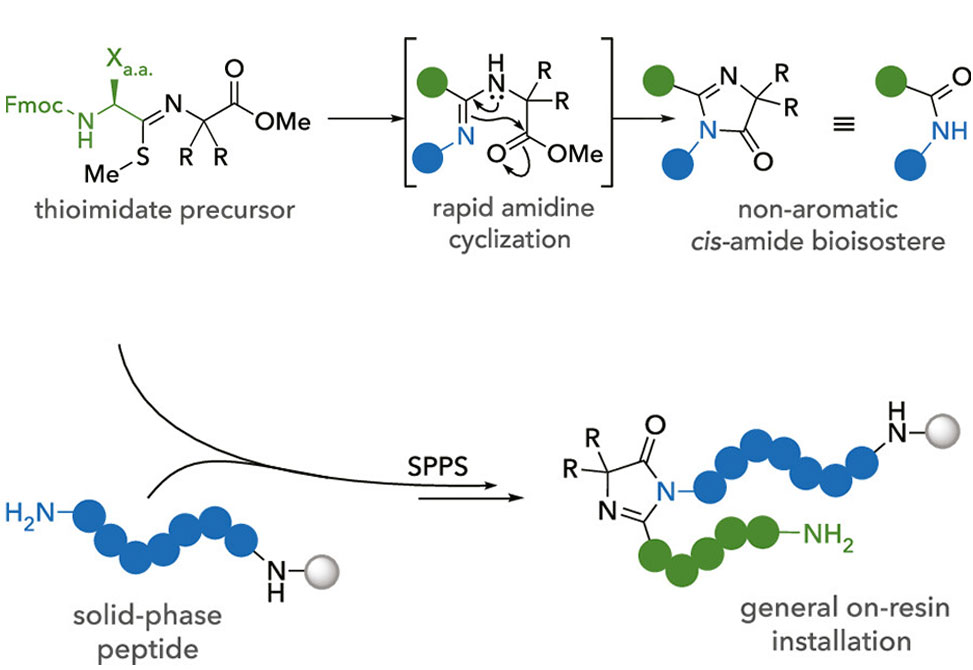
Reflecting recent work in the VanVeller lab
Published in JACS, researchers in the VanVeller Group at Iowa State University, present a tandem amidine installation and cyclization with an...
Peptide Gels
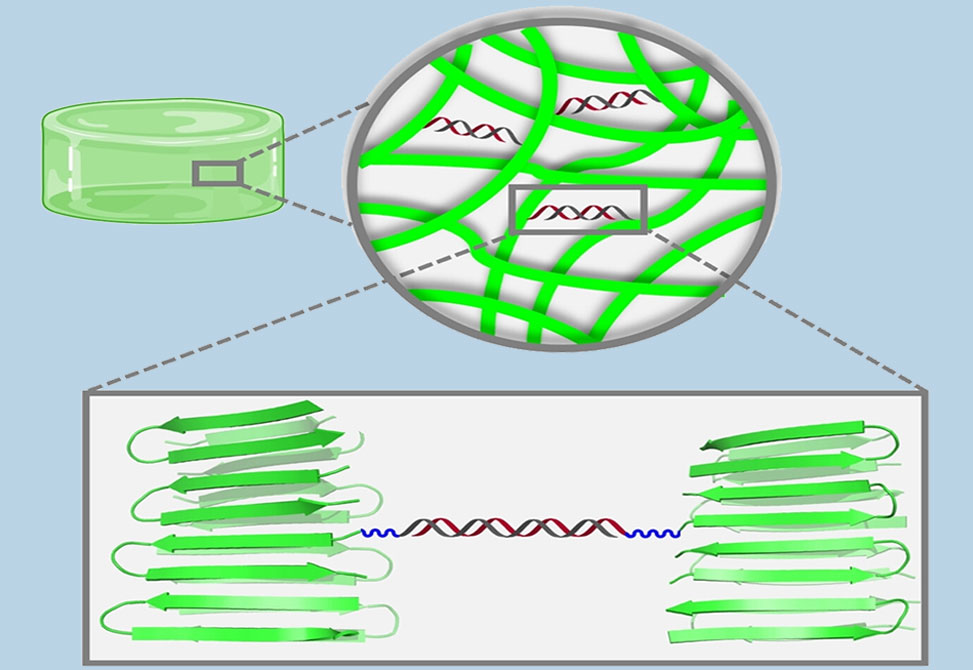
Reflecting recent work in the Schneider lab
Researchers in the Schneider lab, published in Angewandte Chemie, Intl. Ed., discuss how peptide nucleic acids, PNAs, are employed in the design...
Peptide & Enzyme Catalysts
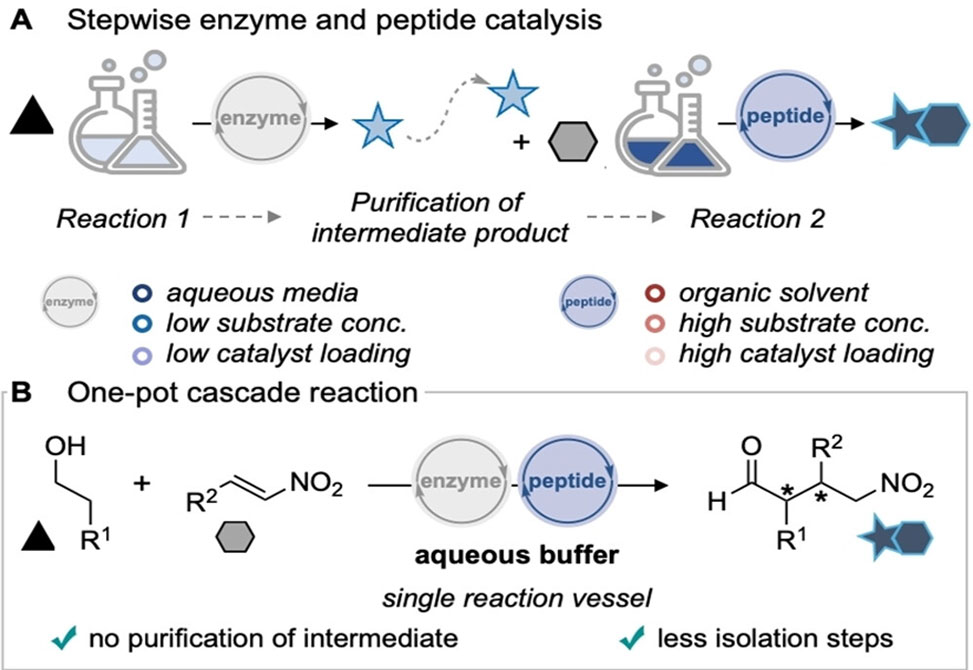
Reflecting recent work in the Wennemers lab
Enzymes and peptide catalysts consist of the same building blocks but require vastly different environments to operate best. Published in Angewandte...
Self-Assembled Nanofibers
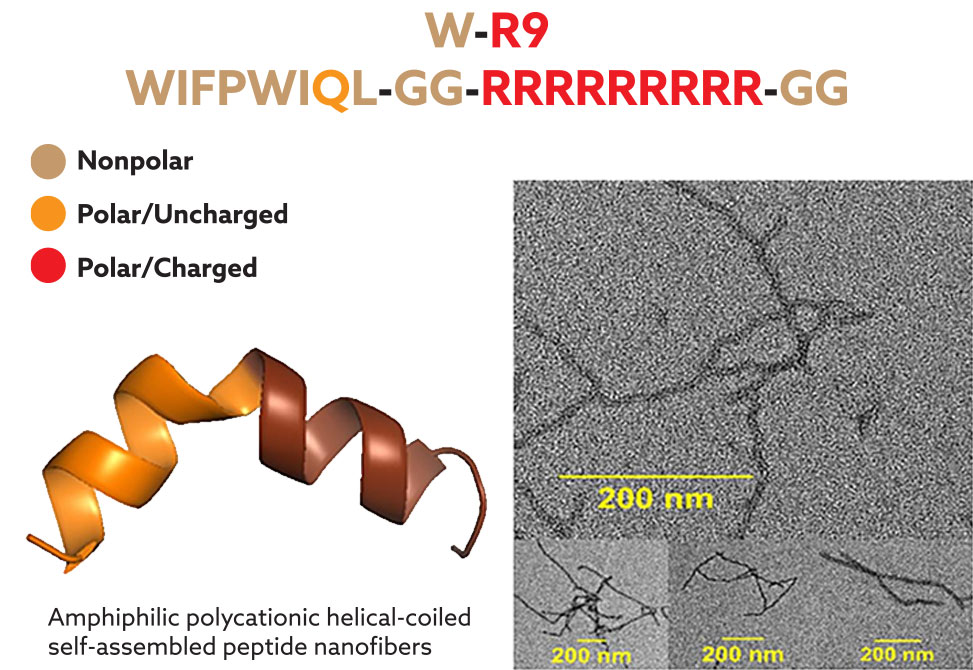
Reflecting recent work in the Sabatino lab
Amphiphilic peptide sequences are conducive to secondary structures that self-assemble into higher-ordered peptide nanostructures. A select set...
Novel Substrate Prediction
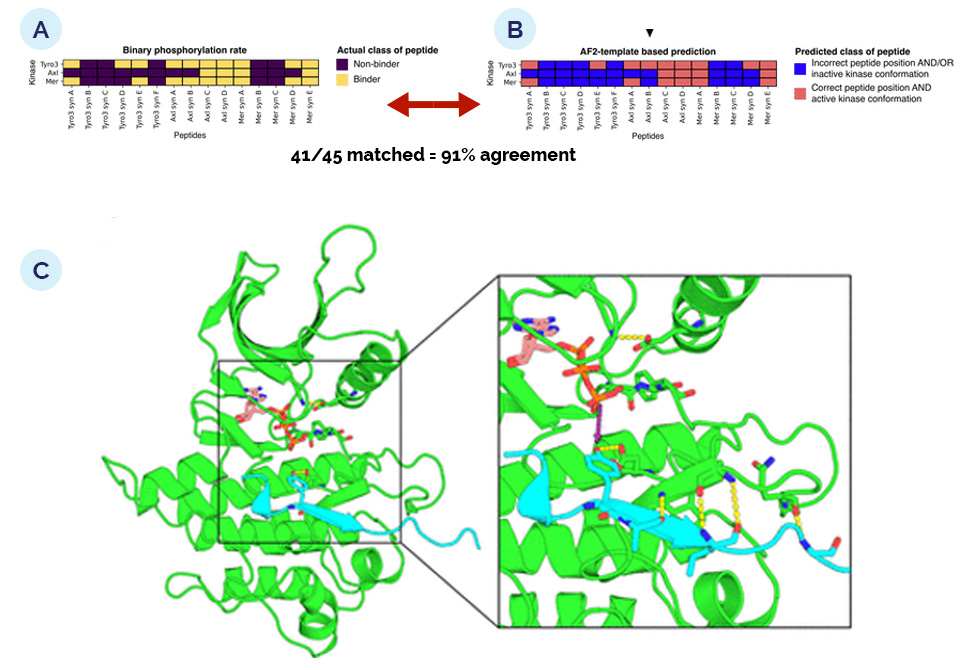
Reflecting recent work in the Parker lab
The TAM family of receptor tyrosine kinases is implicated in multiple distinct oncogenic signaling pathways. However, to date, there are no...
Coiled Coils
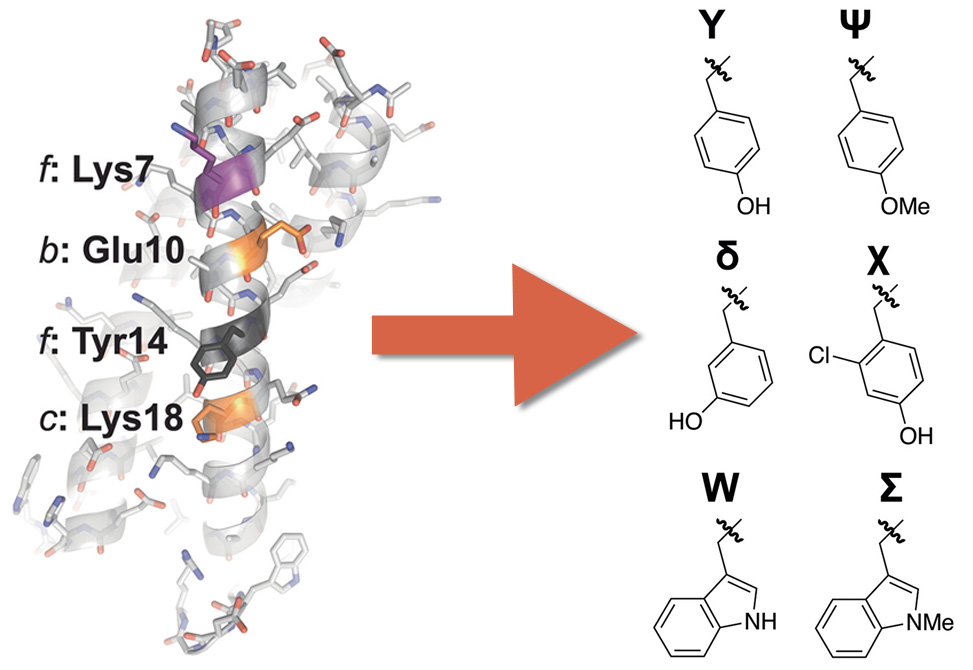
Reflecting recent work in the Price lab
Coiled coils are one of most common protein quaternary structures and represent the best understood relationship between amino acid sequence and protein...
Network Pharmacology
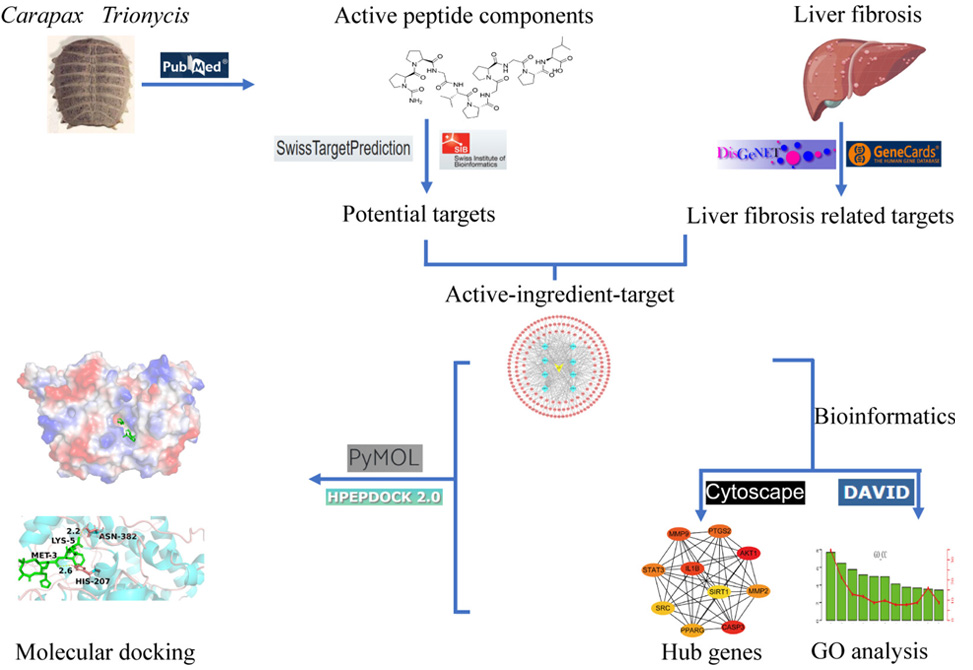
Reflecting recent work in the Jin lab
Carapax Trionycis is a traditional Chinese medicine and it has been clear that oligo-peptides from Carapax Trionycis extract, CTP, are the main active substances...
Azobenzene Moiety
Reflecting recent work in the Wiedman lab
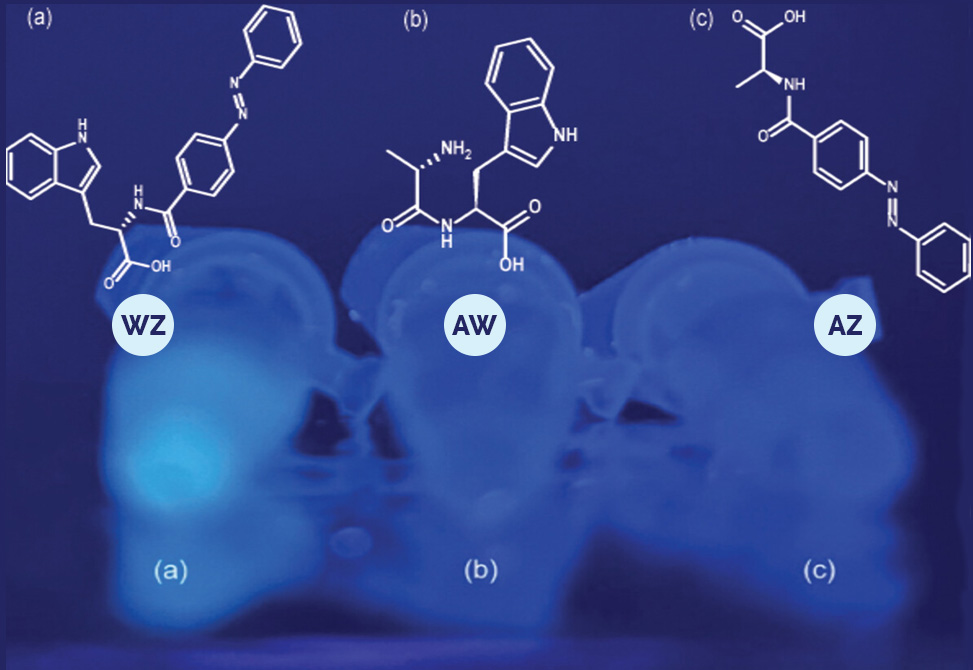
Azobenzenes are a series of compounds that can be isomerized upon irradiation with light. These molecules can...
Monoclonal Antibodies
Reflecting recent work in the Nowick lab
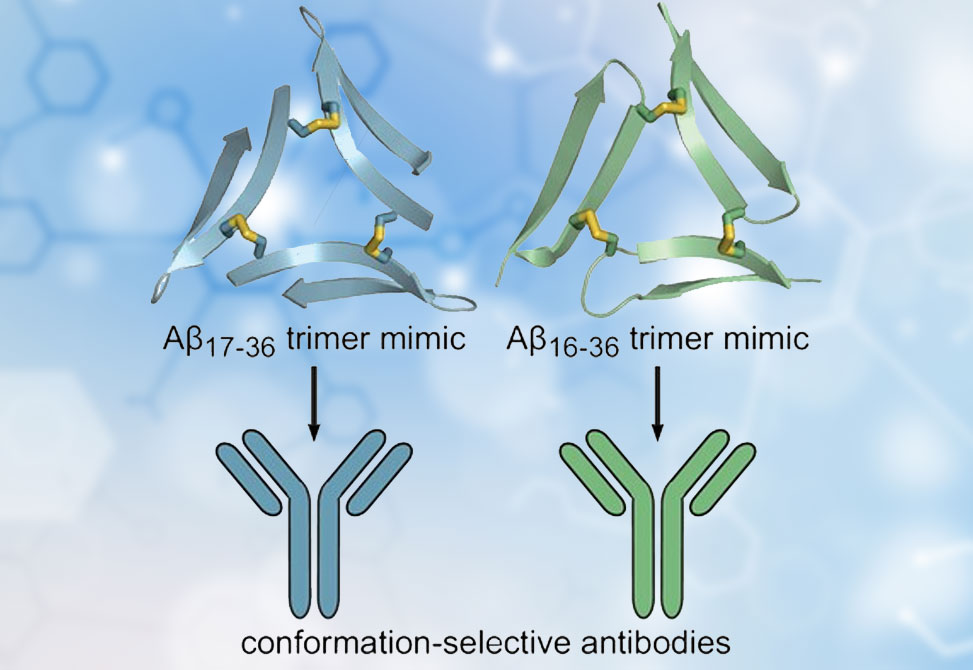
Monoclonal antibodies, mAbs, that target the β-amyloid peptide, Aβ, are important Alzheimer's disease research tools and are now being...
Novel, Rational Drug Design
Reflecting recent work in the Deber lab
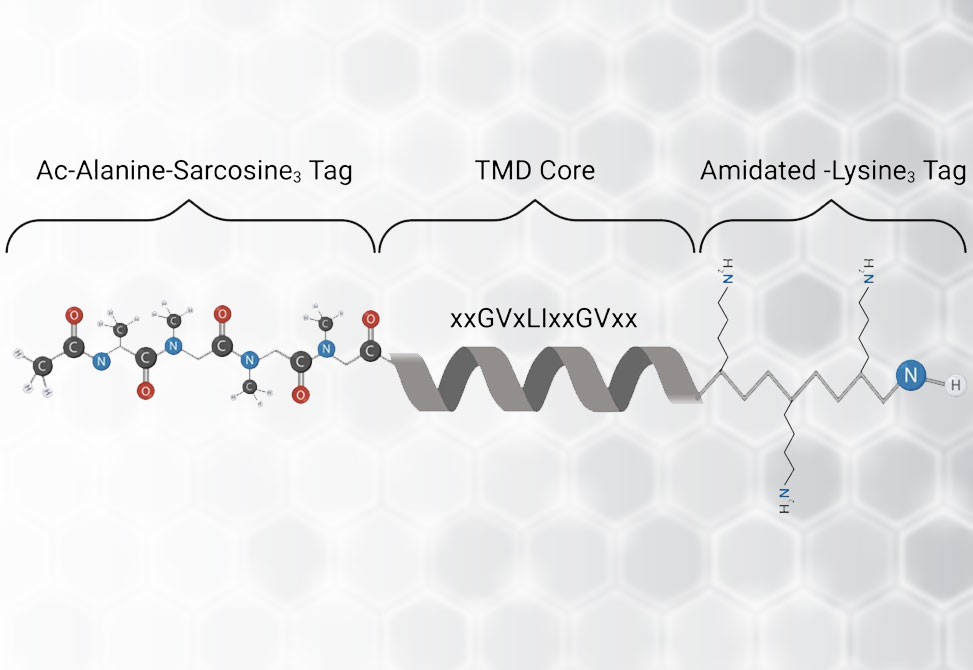
As an alternative approach to conventional antibiotics, members of the Charles Deber laboratory, published in Peptide Science, explore a novel...
Bicyclic Peptides
Reflecting recent work in the Nitsche lab
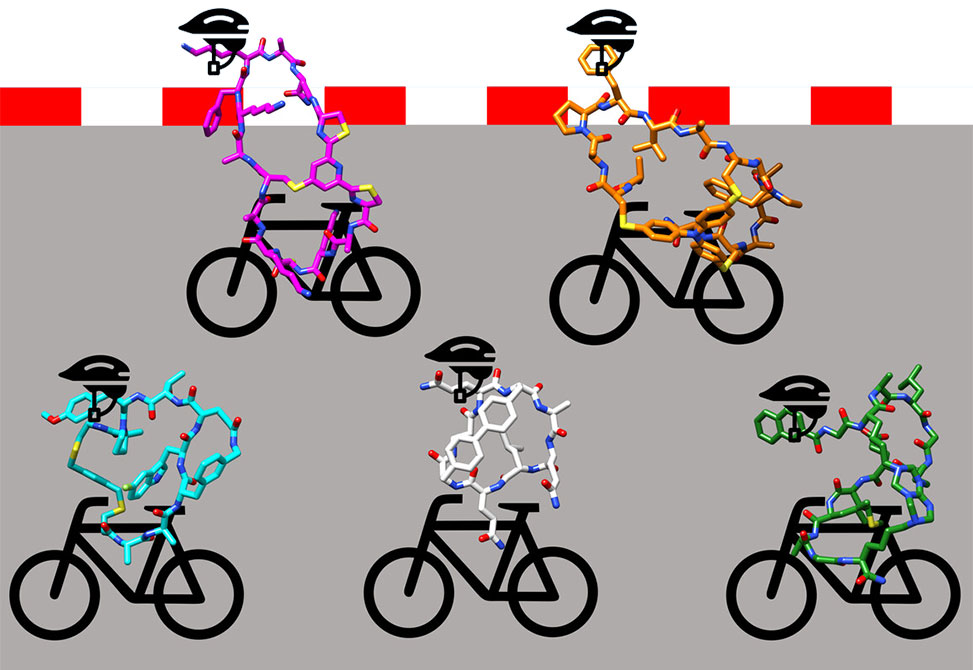
Bicyclic peptides have emerged as one of the driving forces within the constrained peptide family. Due to their unique pharmaceutical attributes...
Self-Sorting Collagen
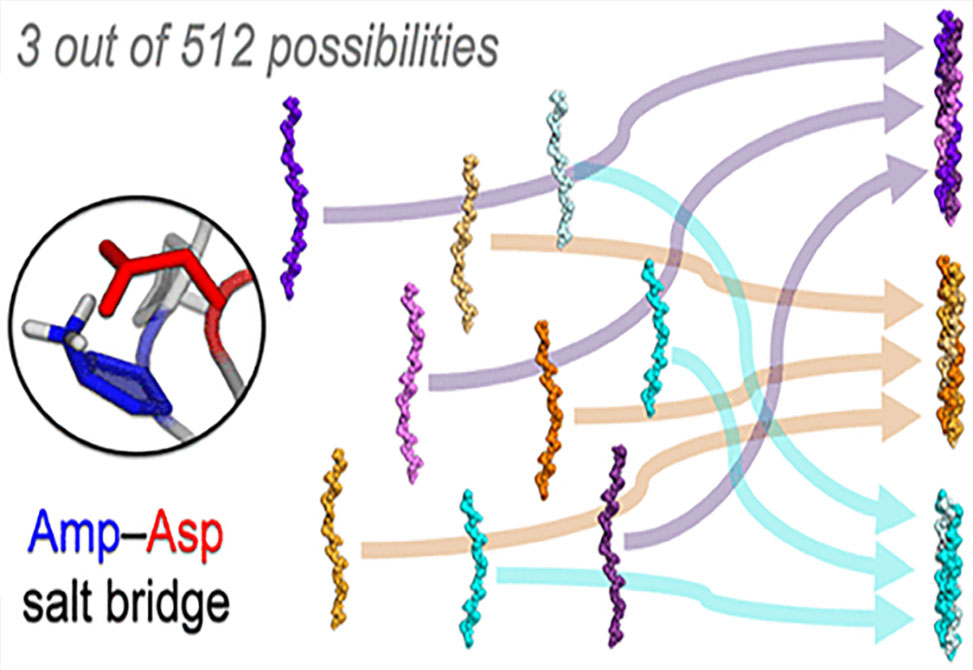
Reflecting recent work in the Wennemers lab
Nature uses elaborate methods to control protein assembly, including that of heterotrimeric collagen....
Lasso Peptides
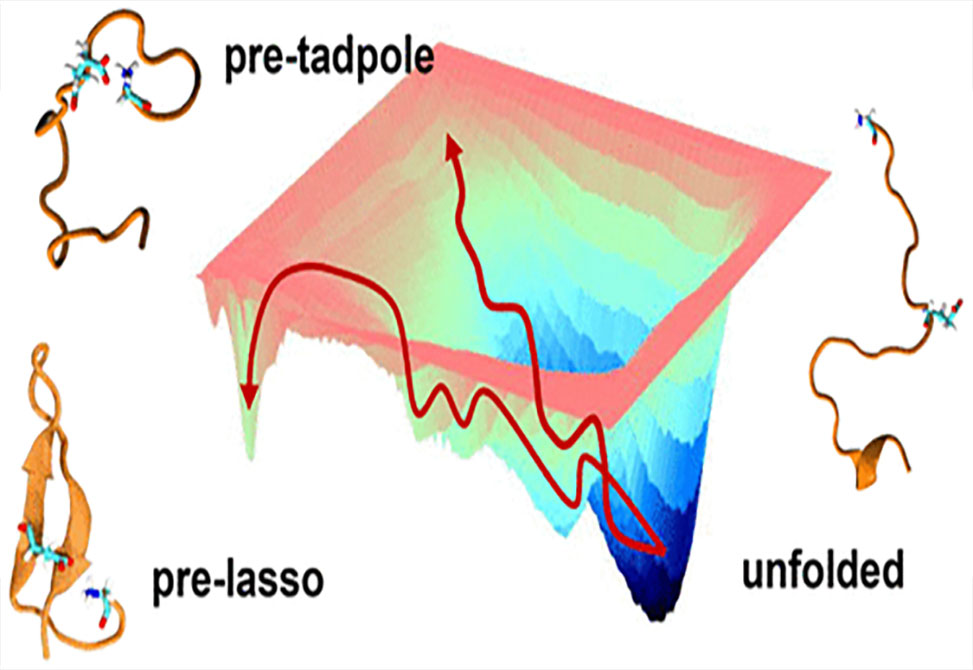
Reflecting recent work in the Swanson lab
Lasso peptides make up a class of natural products characterized by a threaded structure. Given their small size and stability, chemical synthesis would offer tremendous potential...
Alzheimer’s Amyloid-β
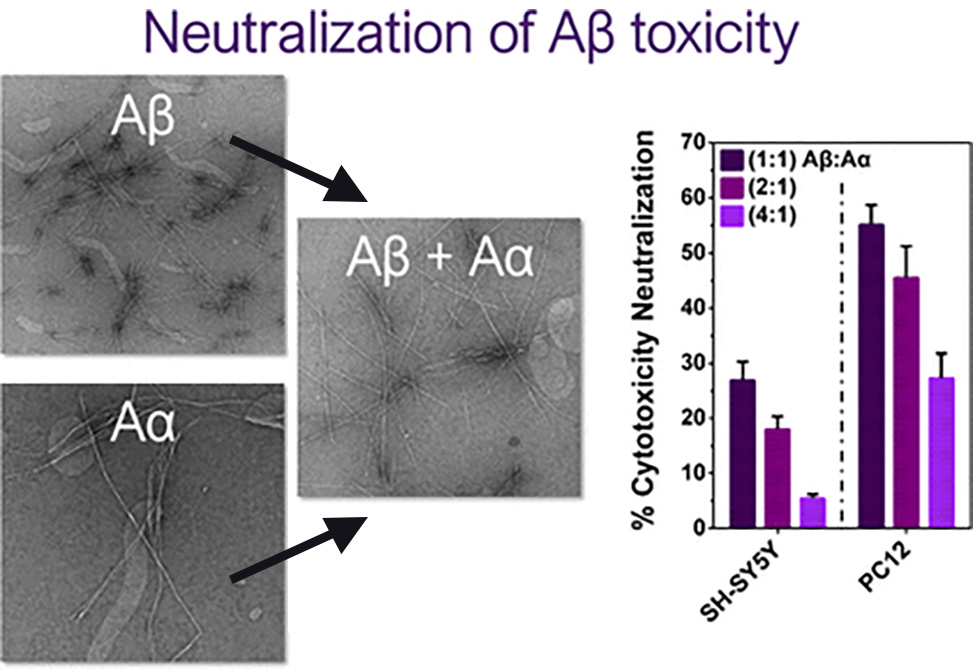
Reflecting recent work in the Raskatov lab
Amyloid aggregation is a key feature of Alzheimer's disease, AD, and a primary target for past and present therapeutic efforts. Recent research is making it increasingly clear...
Finding Pulmonary Fibrosis
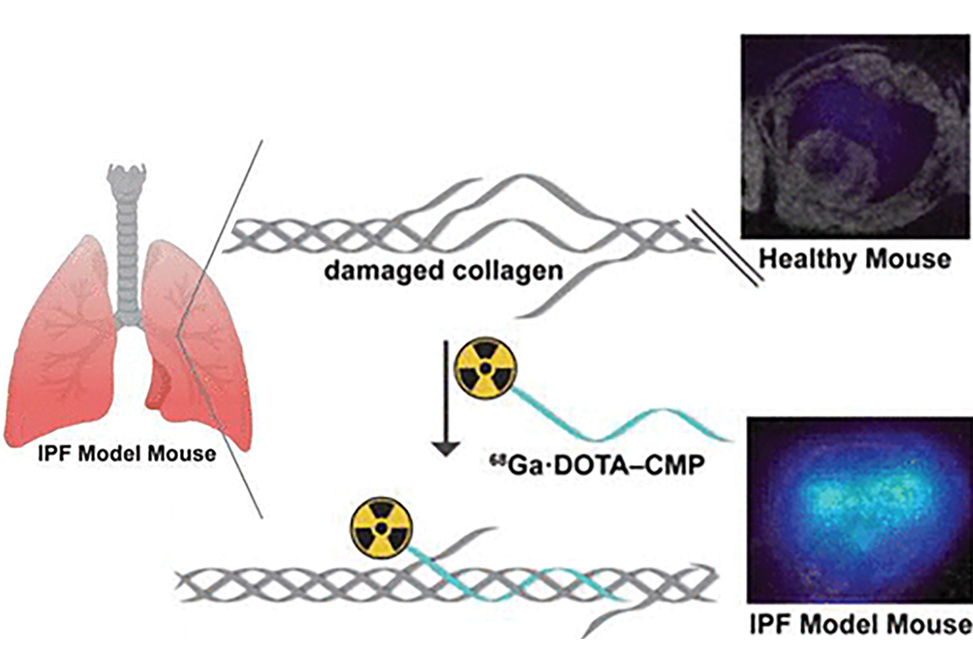
Reflecting recent work in the Raines lab
Idiopathic pulmonary fibrosis, IPF, is a disease of unknown etiology that is characterized by excessive deposition and abnormal remodeling of collagen...
N-Terminal Acetylation
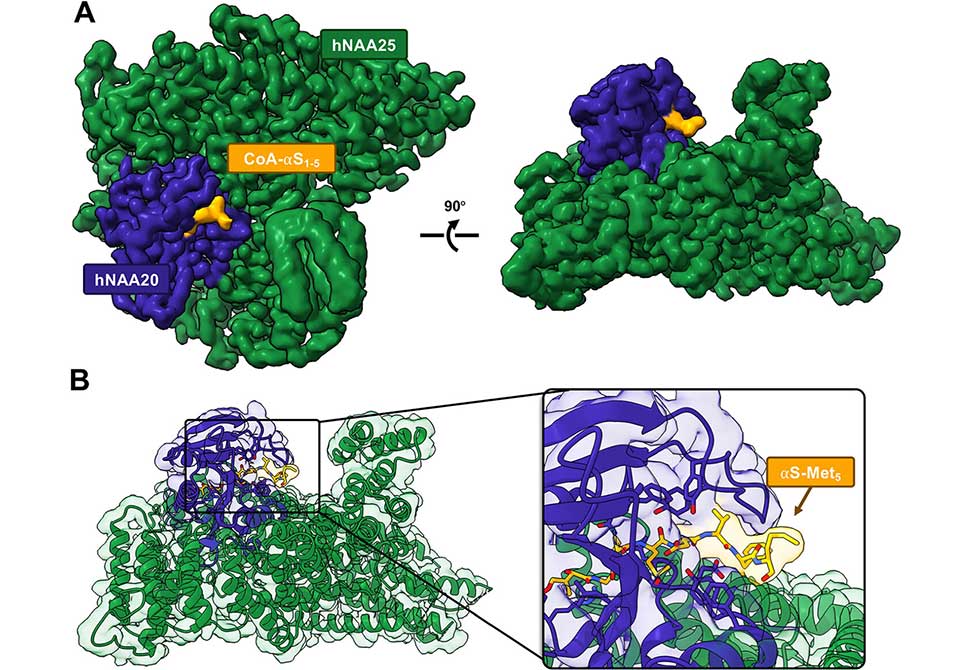
Reflecting recent work in the Petersson lab
N-terminal acetylation is a chemical modification carried out by N-terminal acetyltransferases. A major member of this enzyme family, NatB, acts on much of the human proteome...
C–H Radiocyanation
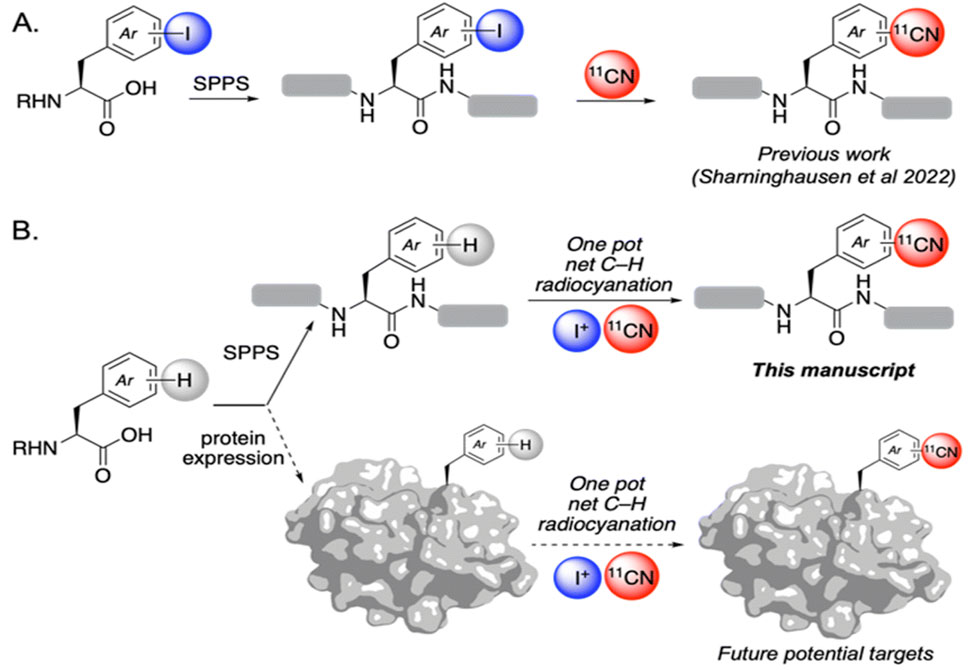
Reflecting recent work in the Mapp and Sanford labs
In a collaborative work, published in Chemical Science, between the Mapp and Sanford groups, and researchers at the Department of Radiology, all at the University of Michigan, authors describe...
α-Helical Peptides
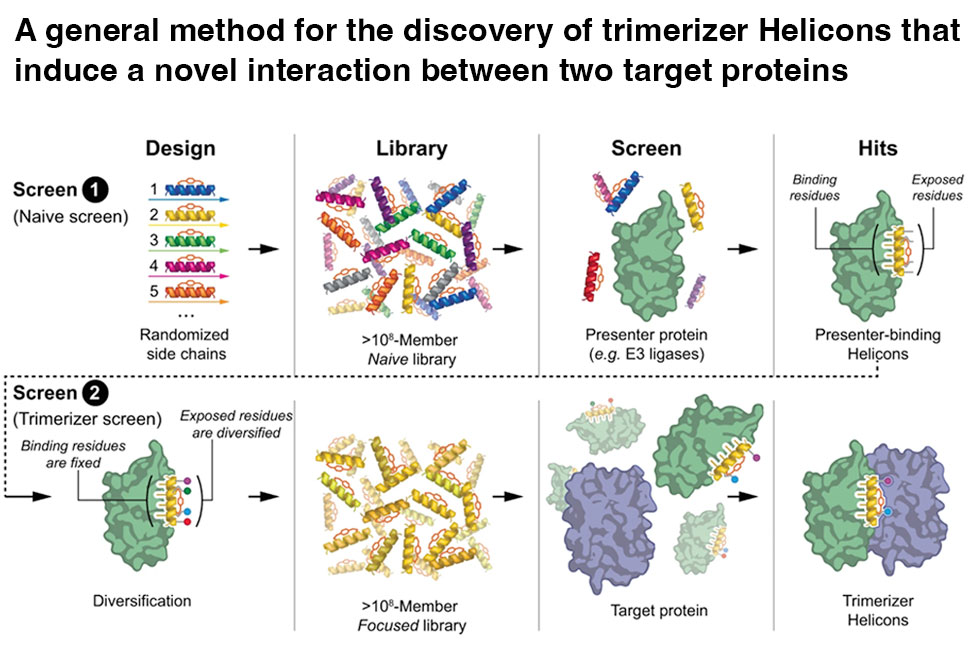
Reflecting recent work from FOG Pharmaceuticals
Molecules that induce novel interactions between proteins hold great promise for the study of biological systems and the development of therapeutics, but their discovery...
Reversible Covalent Warheads
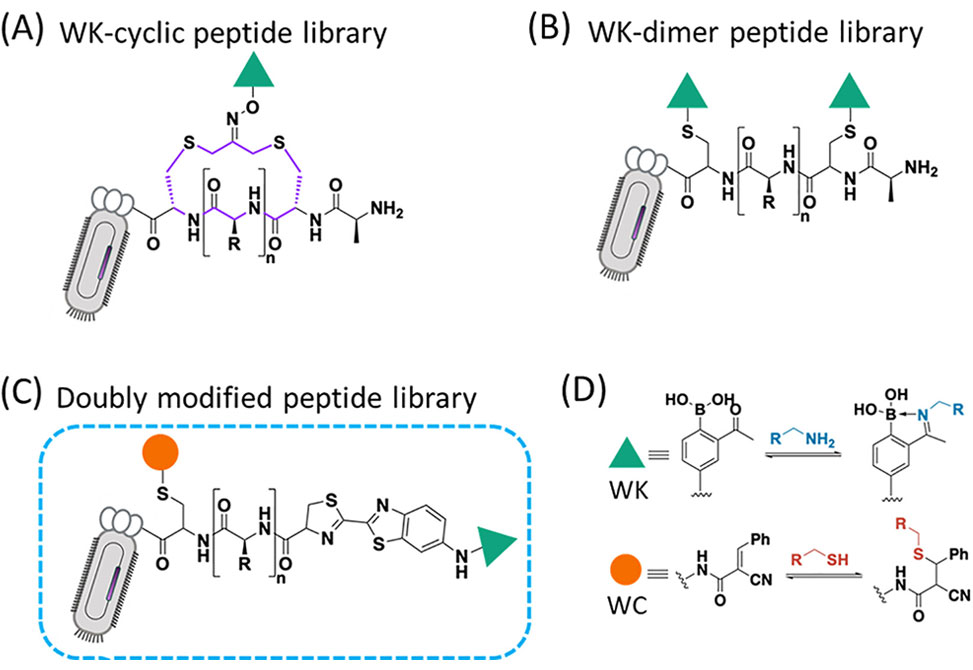
Reflecting recent work in the Gao lab
Falling in between traditional small molecules and antibodies in size, peptides are emerging as a privileged therapeutic modality, one that can harness...
Max Phosphorylation
Reflecting recent work in the Jbara lab
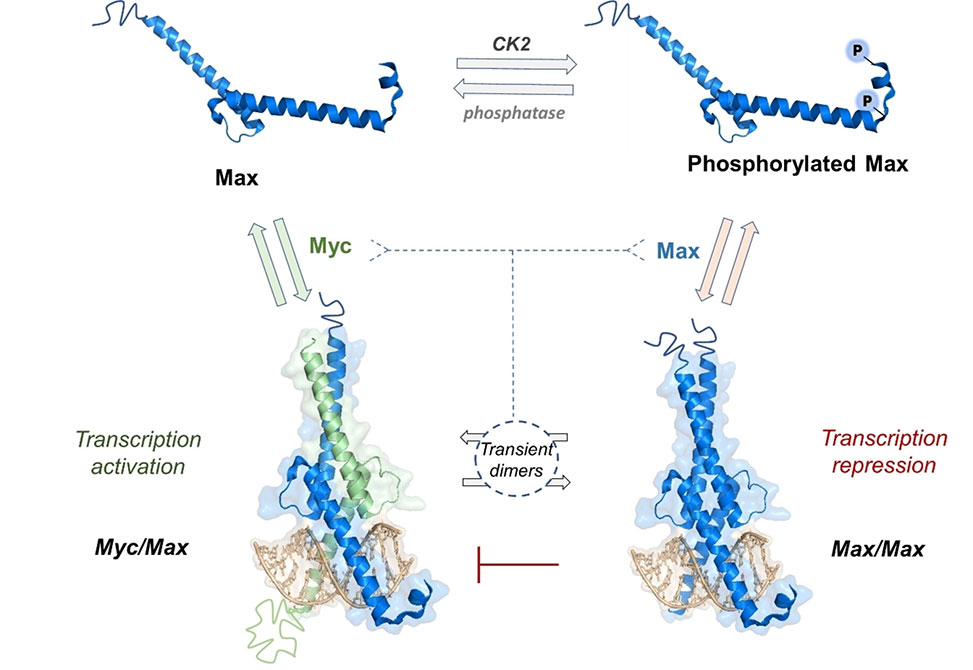
The chemical synthesis of site-specifically modified transcription factors, TFs, is a powerful method to investigate how post-translational modifications influence TF-DNA...
Mechanistic Studies of CyClick Chemistry
Reflecting recent work in the Raj and Houk labs
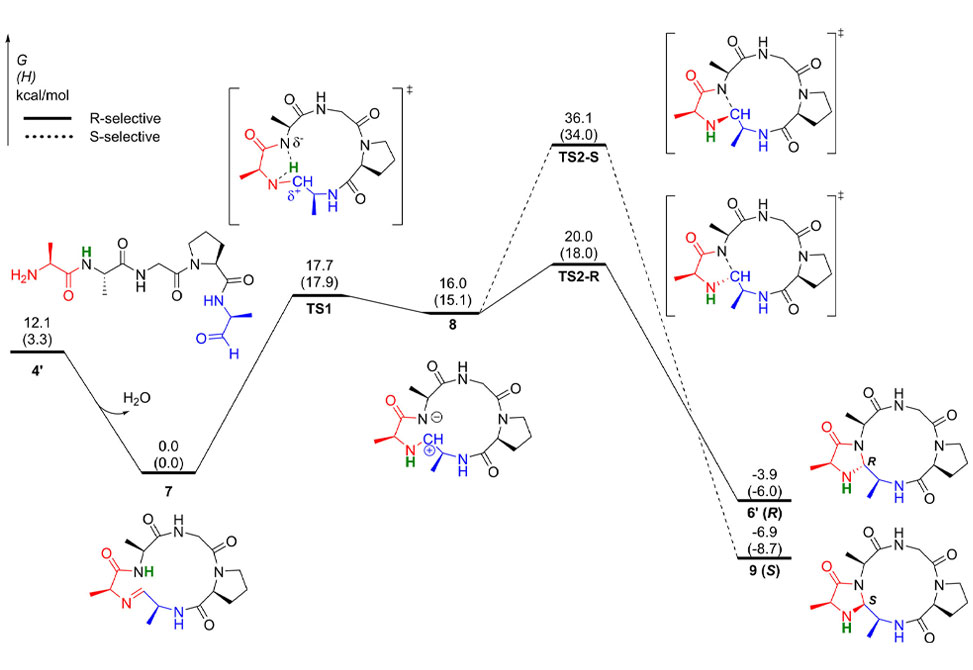
Macrocyclic peptides have become increasingly important in the pharmaceutical industry. In collaborative work between the groups of Kendall N. Houk and Monika Raj, published in...
Cytosolic Delivery of Functional Cargoes
Reflecting recent work in the Hackenberger lab
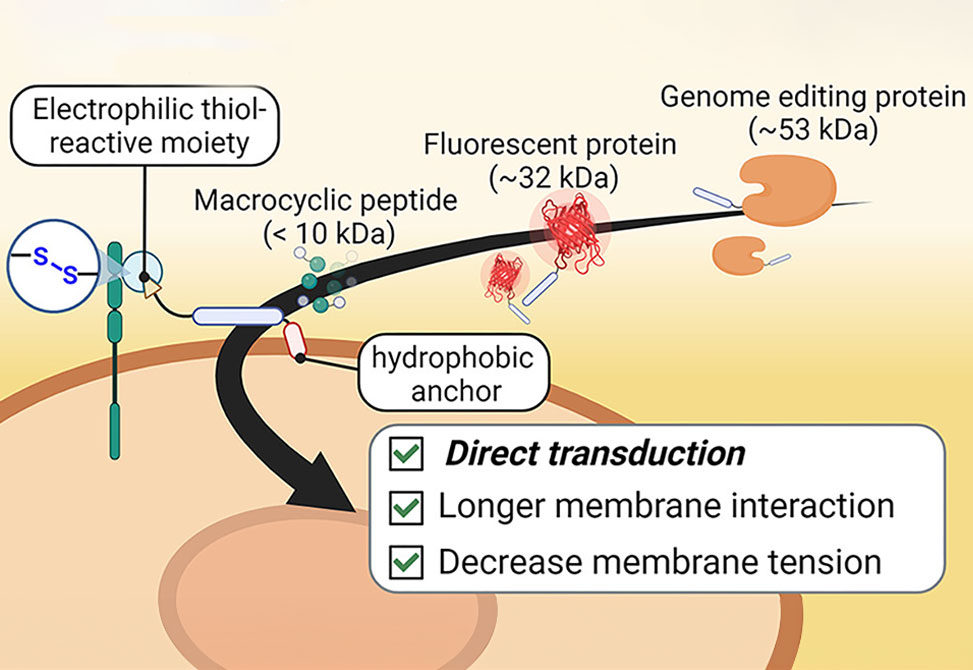
In research published in JACS, members of the Hackenberger Group, describe a powerful, simple, and highly effective strategy for the intracellular delivery...
SPAAC Reactions

Reflecting recent work in the Schneider lab
Joel P. Schneider, Yixin Xie, and Tania L. Lopez-Silva at the National Cancer Institute, report a new positively charged azidoamino acid for strain-promoted azide–alkyne cycloaddition...
Human Serum Albumin
Reflecting recent work in the Lam lab
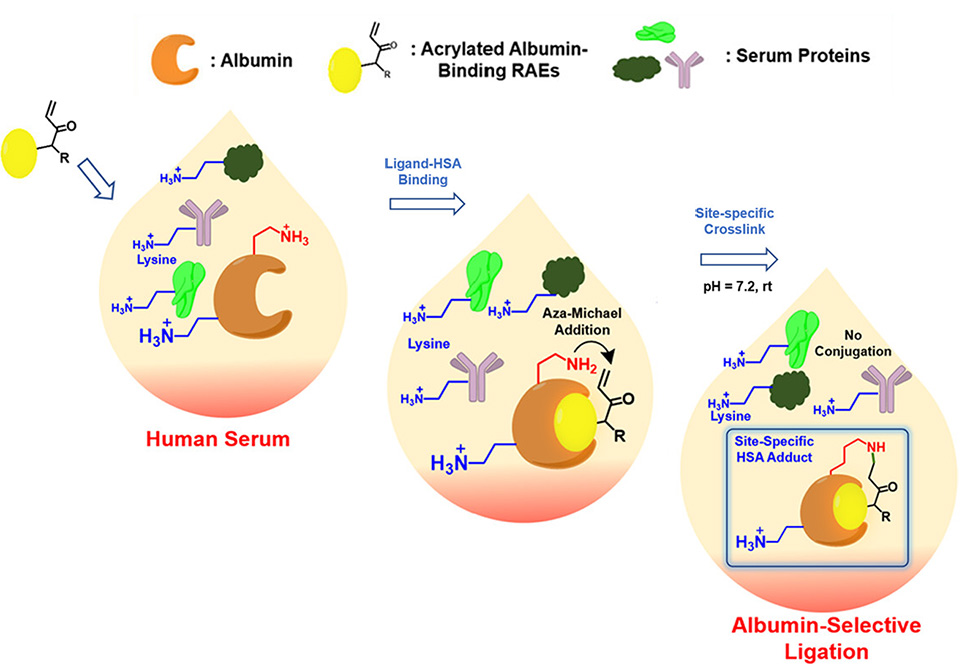
Human serum albumin, HSA, is the most abundant protein in human blood plasma. It plays a critical role in the native transportation of numerous drugs, metabolites, nutrients, and small molecules...
Tyrosine Phosphorylation
Reflecting recent work in the Hecht lab
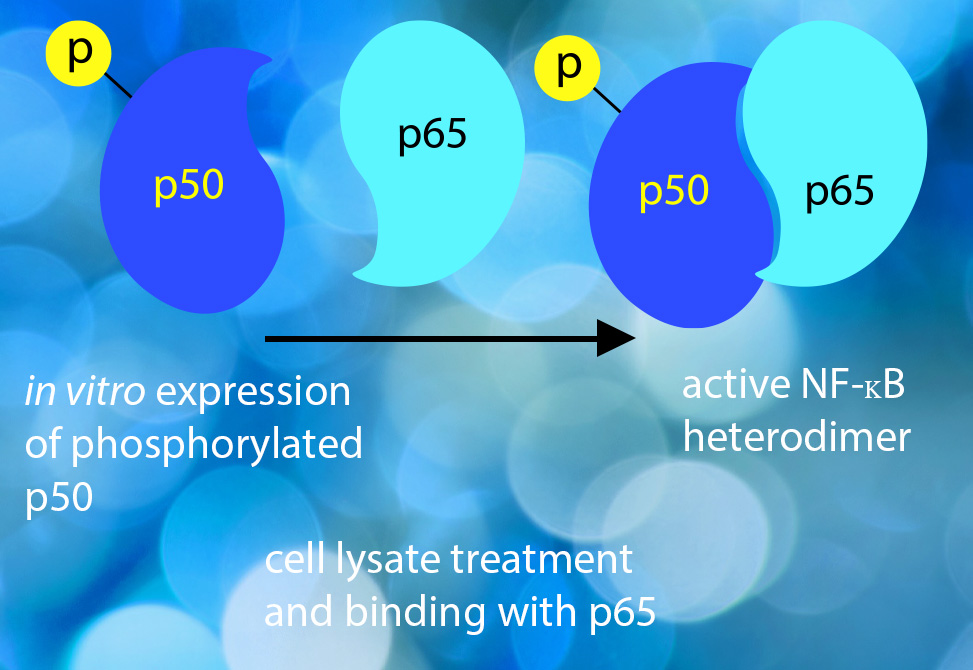
The family of NF-κB transcriptional activators controls the expression of many genes, including those involved in cell survival and development. The family consists of...
Pargamicin A
Reflecting recent work in the Del Valle lab
Researchers in the Del Valle Group, published in Organic Letters, report the total synthesis and configurational assignment of pargamicin A, a highly oxidized nonribosomal peptide...
Glycan Biology

Reflecting recent work in the Imperiali lab
Glycan-binding proteins, GBPs, are widely used reagents for basic research and clinical applications. These reagents allow for the identification and manipulation of glycan determinants...
Drug Candidate
Reflecting recent work in the Nowick lab
In this article, published in Chemical Science, members of the James S. Nowick group show that the antibiotic teixobactin is a promising drug candidate...
Stereoselectivity

Reflecting recent work in the Wennemers lab
In this article we show that stereoselective peptide catalysis is feasible in complex environments, including cell lysates...
Anticancer Protein
Reflecting recent work in the Bagheri lab
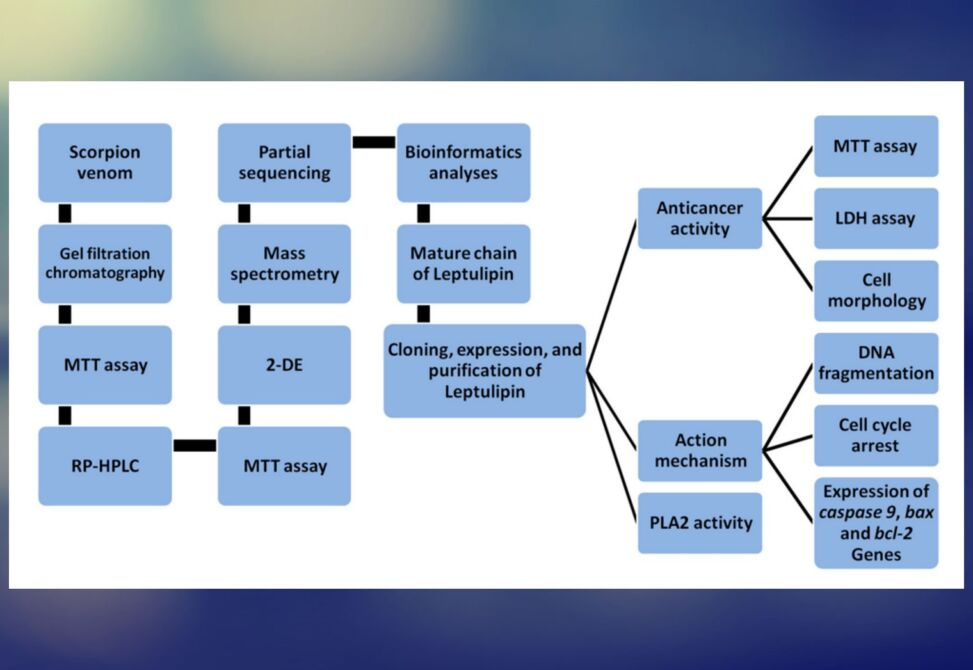
Cancer is one of the leading causes of mortality in the world. Unfortunately, the present anticancer chemotherapeutics display high cytotoxicity...
Peptides and Proteins
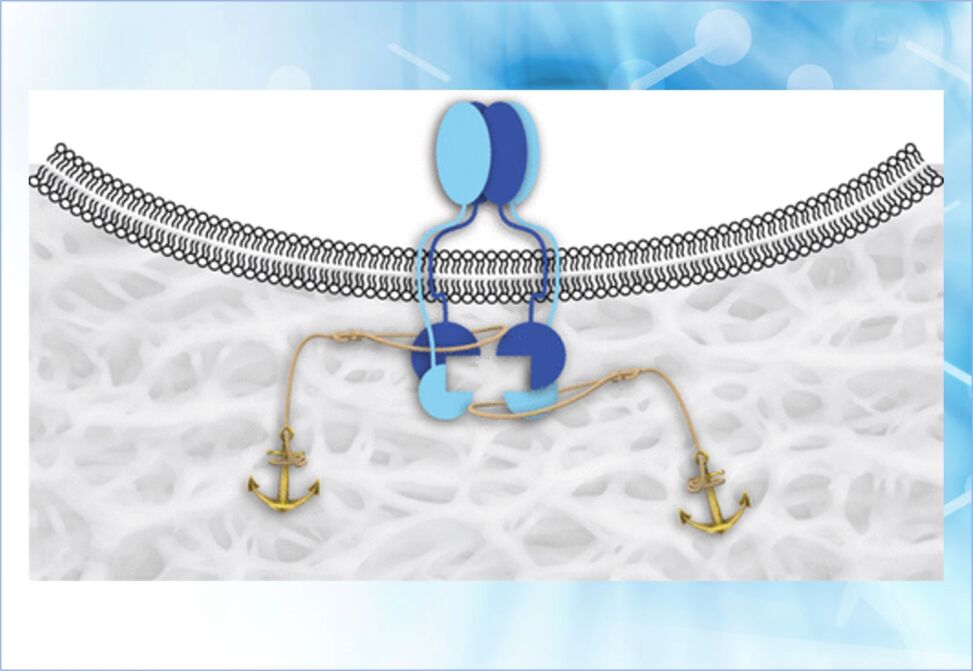
Reflecting recent work in the Raines lab
Transforming growth factor-β (TGF-β) plays important roles in wound healing. The activity of TGF-β is initiated upon the binding of the growth factor...
Cyclic Peptides
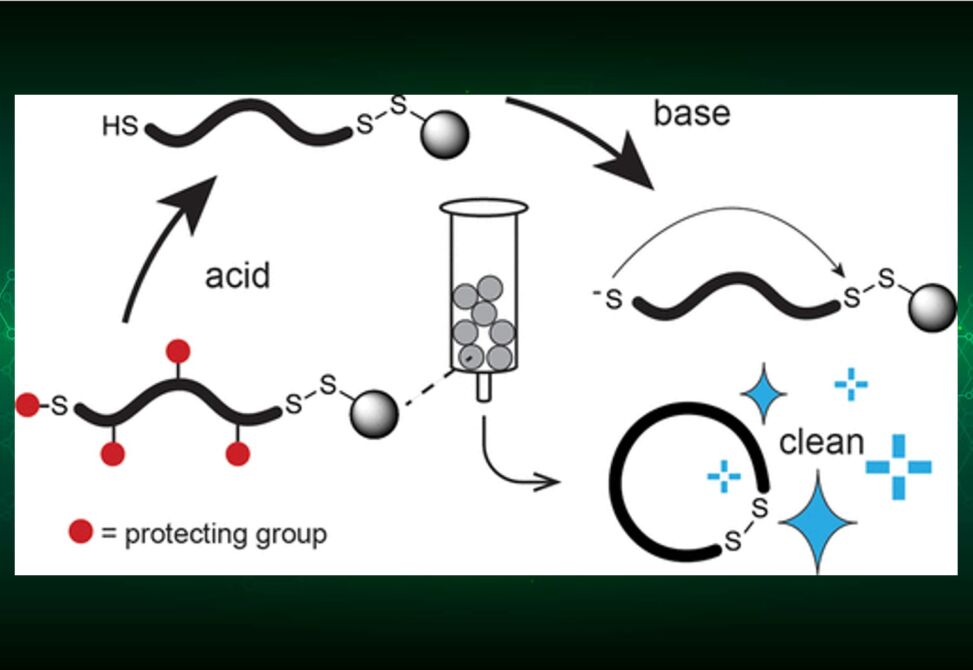
Reflecting recent work in the Heinis lab
The synthesis of large numbers of cyclic peptides─required, for example, in screens for drug development─is currently limited by the need of chromatographic...
Ribosomal synthesis
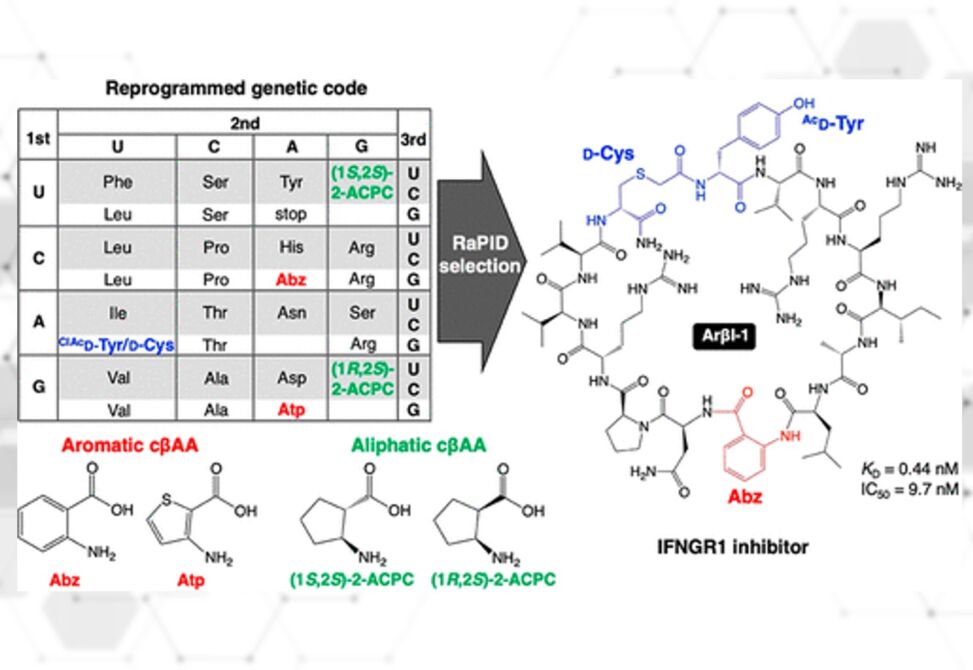
Reflecting recent work in the Suga lab
Aromatic cyclic β2,3-amino acids (cβAAs), such as 2-aminobenzoic acid and 3-aminothiophene-2-carboxylic acid, are building blocks that can induce unique folding...
PKC Disruptors
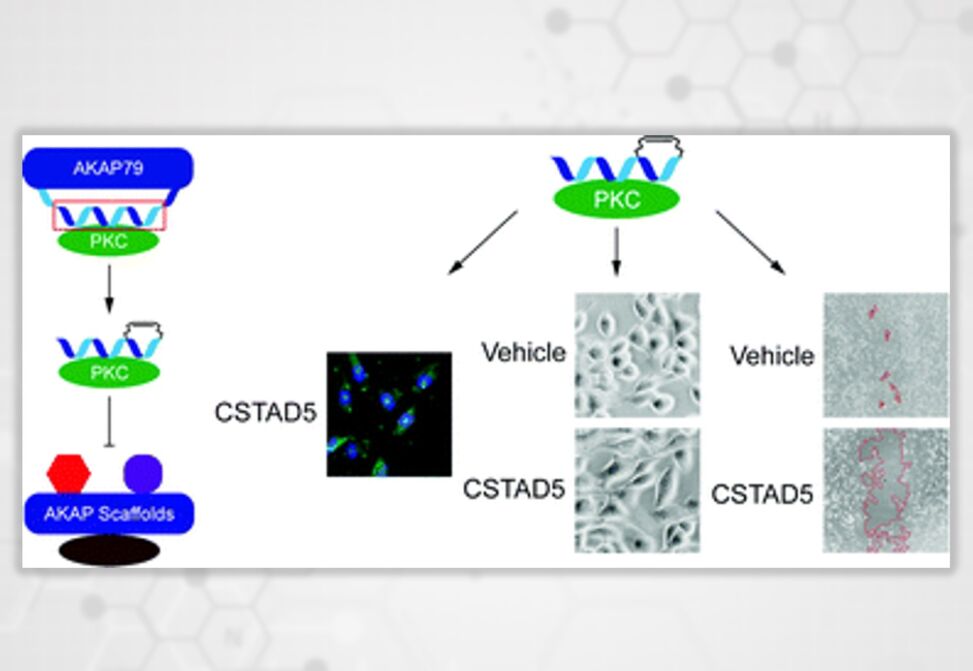
Reflecting recent work in the Kennedy lab
Protein Kinase C (PKC) is a member of the AGC subfamily of kinases and regulates a wide array of signaling pathways and physiological processes...
“Imprint-and-Report” DCLs

Reflecting recent work in the Waters lab
Sensor arrays using synthetic receptors have found great utility in analyte detection, resulting from their ability to distinguish analytes based on differential signals via...
Kinase inhibitors

Reflecting recent work in the Kennedy lab
Leucine-Rich Repeat Kinase 2 (LRRK2) is a large, multidomain protein with dual kinase and GTPase function that is commonly mutated in both familial and idiopathic...
Protease Inhibitors
Reflecting recent work in the Petersson lab
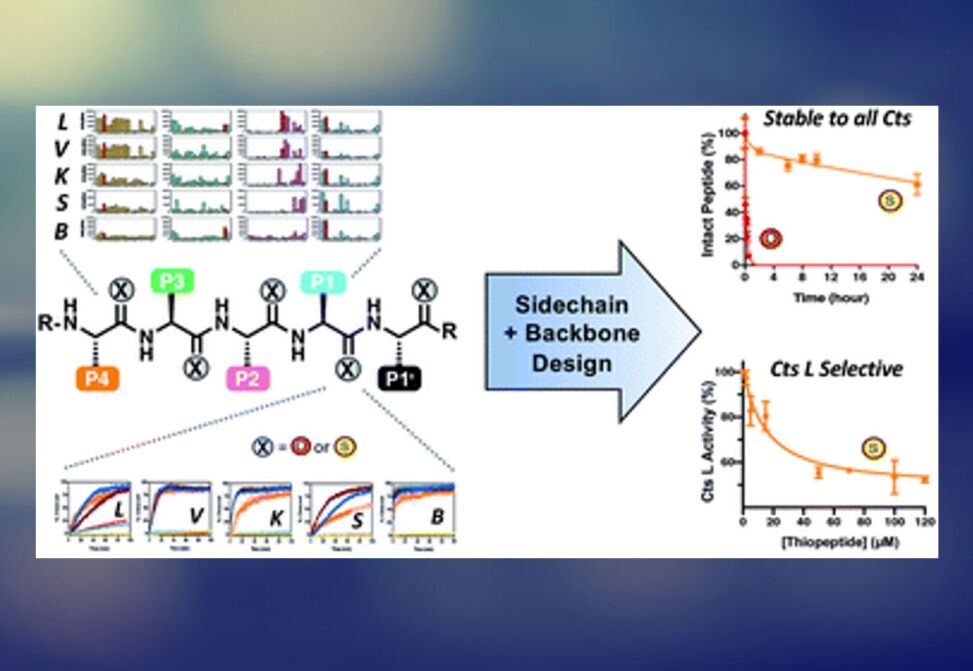
Aberrant levels of cathepsin L (Cts L), a ubiquitously expressed endosomal cysteine protease, have been implicated in many diseases such as cancer and diabetes...
Antibacterial Hydrogels

Reflecting recent work in the Schneider lab
Herein, it is demonstrated that a peptide derived from mussel foot protein-5, a key protein in mussel adhesion, displays antibacterial properties, a yet unreported...
Protein Interactions

Reflecting recent work in the Pikaard lab
In plants, transcription of selfish genetic elements such as transposons and DNA viruses is suppressed by RNA-directed DNA methylation...
Protein Mimic

Reflecting recent work in the Arora lab
Members of the Arora lab constructed a synthetic Sos protein mimic that engages the wild-type and oncogenic forms of nucleotide-bound Ras and modulates downstream kinase signaling...
Rippled β-Sheet Motif

Reflecting recent work in the lab
In this conspectus, the authors give an overview of the early history of the rippled β-sheet and provide a detailed structural description/definition of this motif...
Ion Channels
Reflecting recent work in the Woolfson lab
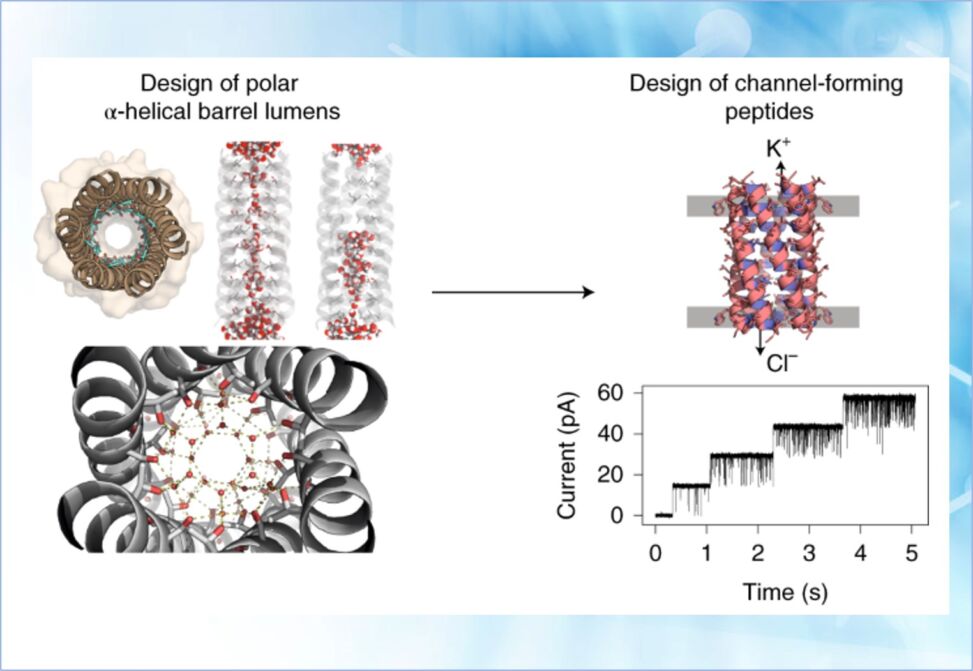
The design of peptides that assemble in membranes to form functional ion channels is challenging. Specifically, hydrophobic interactions must be...
B-cell Epitope
Reflecting recent work in the Kaumaya lab
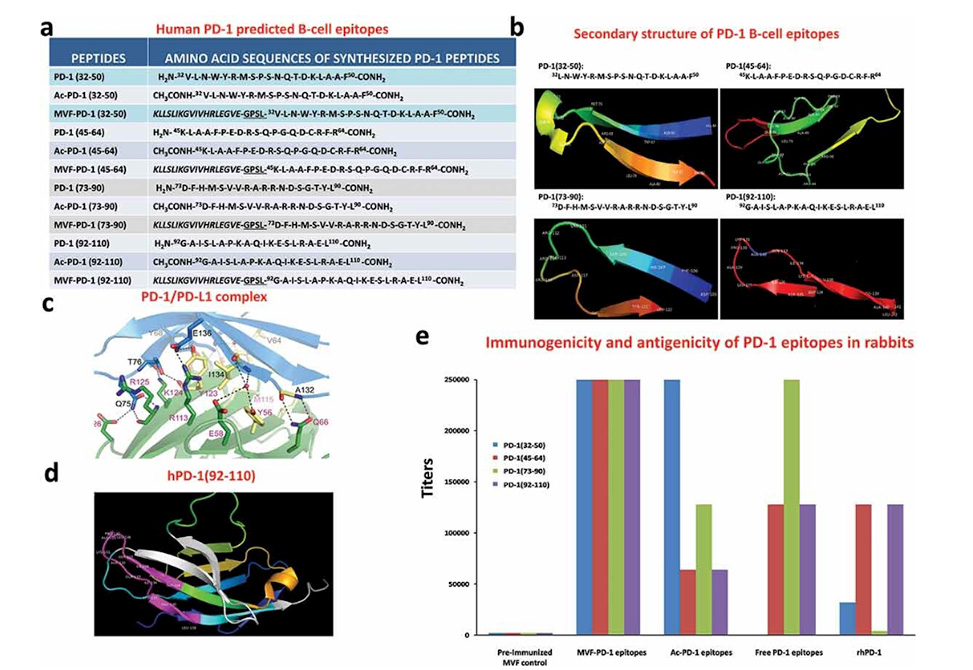
Herein, researchers in the Kaumaya lab describe a novel PD-1 B-cell peptide epitope vaccine (amino acid 92–110; PD1-Vaxx) linked to a measles virus fusion peptide...
Peptide Cancer Vaccines

Reflecting recent work in the lab
In this article, Professor Pravin Kaumaya reviews his lab's approaches and strategies that focus on B-cell epitope cancer vaccines...
Production Technology
Reflecting recent work in the Schwarz lab
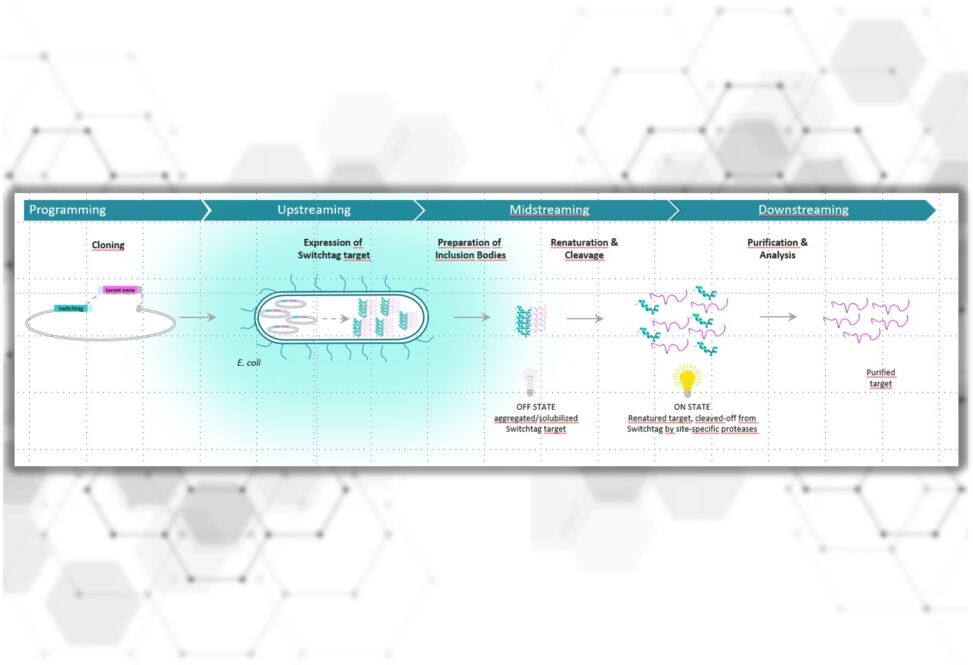
The production of peptides as active pharmaceutical ingredients (APIs) by recombinant technologies is of emerging interest. A reliable production platform, however...
Protein Synthesis

Reflecting recent work in the Premdjee lab
Chemical protein synthesis is a powerful avenue for accessing homogeneously modified proteins, but access to large targets has proved challenging...
Peptide Libraries

Reflecting recent work in the Derda lab
Herein is described a divergent late-stage approach to generating macrocyclic peptide libraries with unnatural pharmacophores from readily available starting material...
Peptide Synthesis
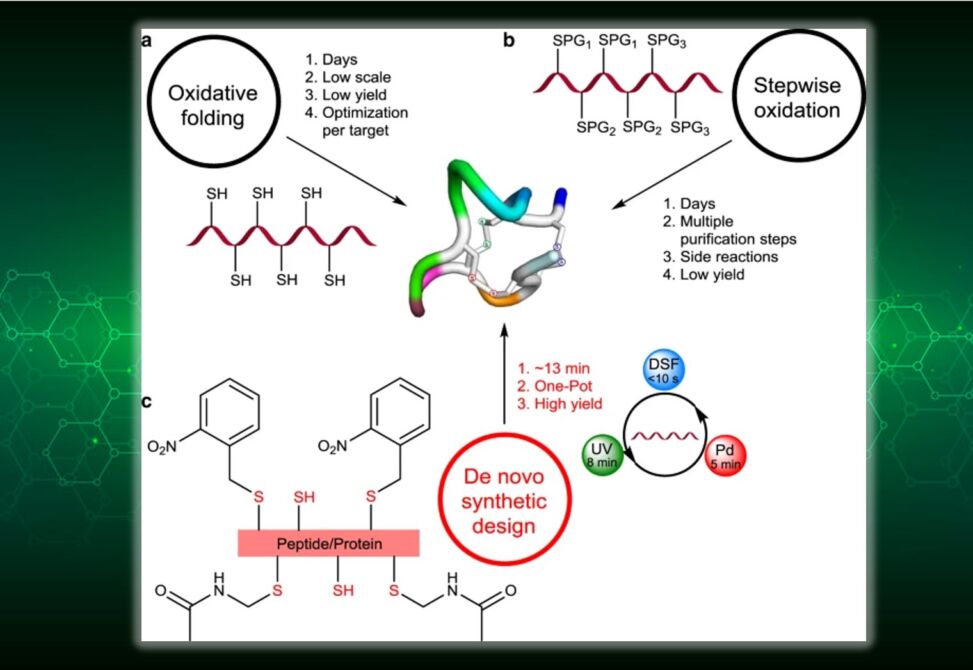
Reflecting recent work in the Brik lab
Despite six decades of efforts to synthesize peptides and proteins bearing multiple disulfide bonds, this synthetic challenge remains an unsolved problem...
Peptide-Based Vaccines

Reflecting recent work in the Lai lab
In this Review, the authors discuss peptide-based vaccines and their potential in three therapeutic areas: infectious disease, Alzheimer’s disease, and cancer...
Stapled Peptides
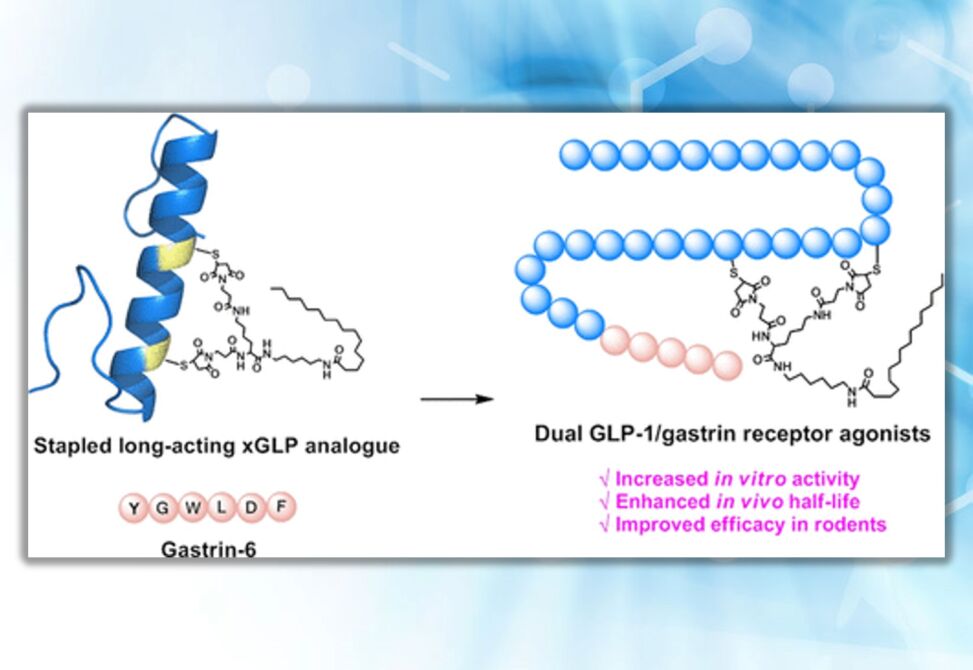
Reflecting recent work in the Han lab
Diabetes is characterized by pancreas dysfunction and is commonly associated with obesity. Hypoglycemic agents capable of improving β-cell function...
Protein-Protein Interactions

Reflecting recent work in the Pomerantz lab
Herein is reported the first application of protein-observed fluorine (PrOF) NMR to the tandem bromodomains of BRD4 and BRDT to quantify the selectivity of their...
Lariat Peptides

Reflecting recent work in the Lokey lab
Many lariat peptide natural products exhibit interesting biological activities, and some, such as griselimycin and didemnin B, are membrane permeable...
Endosomal Escape
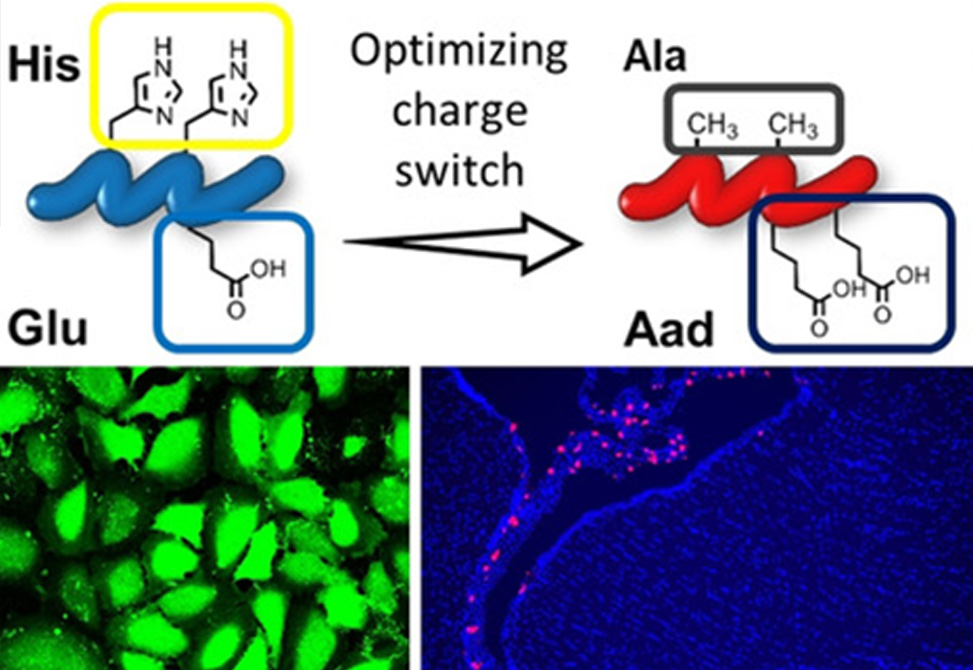
Reflecting recent work in the Futaki lab
Endocytic pathways are practical routes for the intracellular delivery of biomacromolecules. Along with this, effective strategies for endosomal cargo release...
Oxime Ligation

Reflecting recent work in the Burke lab
The current review will focus on the authors’ use of peptide ligation to optimize PPI antagonists directed against several targets...
Tyr-Lock Peptide
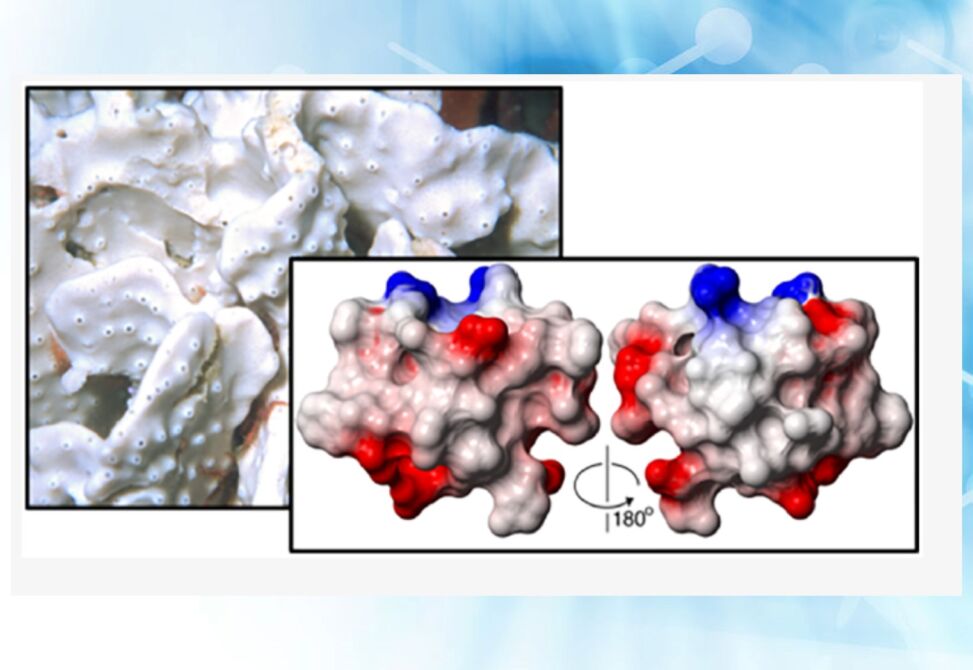
Reflecting recent work in the O'Keefe lab
High-throughput screening for inhibitors of TDP1 activity resulted in the discovery of a new class of knotted cyclic peptides...
DNA nanotechnology

Reflecting recent work in the Seitz lab
DNA nanotechnology is an emerging field that promises fascinating opportunities for the manipulation and imaging of proteins on a cell surface...
Cyclic Peptide Ligands
Reflecting recent work in the Suga lab
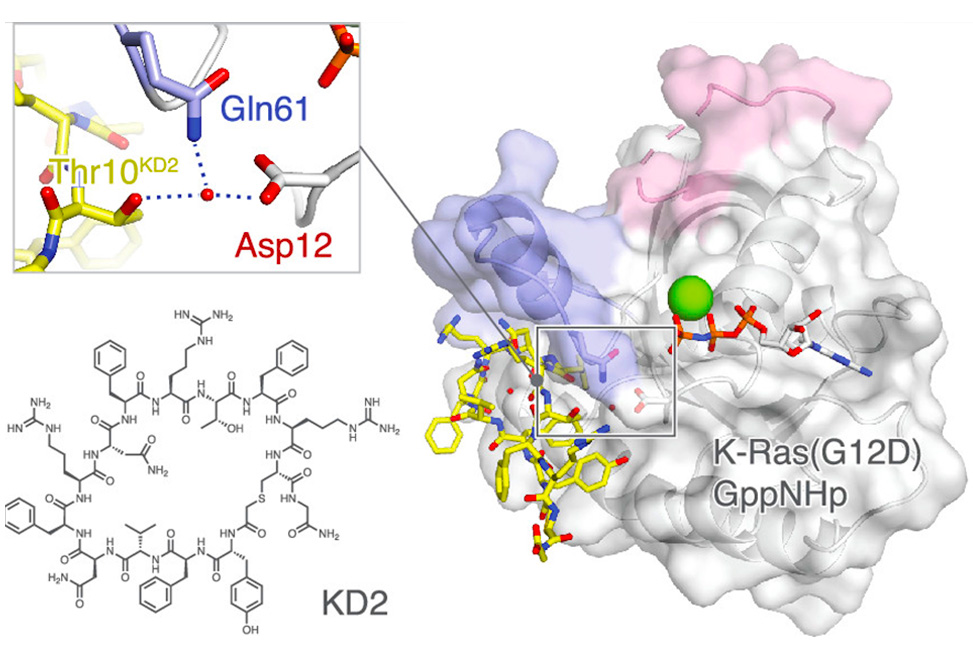
Herein is identified three cyclic peptide ligands of K-Ras(G12D) using an integrated in vitro translation−mRNA display selection platform...
Peptidomimetic Uptake

Reflecting recent work in the Arora lab
Researchers in the Arora Lab observed that the cellular uptake of peptides is critically determined by the cell line-specifically, they noted that peptides show better uptake...
Antimicrobial Synergy

Reflecting recent work in the Raines lab
Authors Chelcie Eller and Ron Raines find that human LL-37 and human RNase 1 can act synergistically to kill Gram-negative bacterial cells...
Social Media Guide

Reflecting recent work in the Heemstra lab
An ACS editorial that provides scientists a guide to navigating and using social media to share ideas and enhance connections...
Membrane-Lytic Peptides

Reflecting recent work in the Schneider lab
Herein is described the use of peptide backbone N-methylation as a new strategy to transform membrane-lytic peptides (MLPs) into cytocompatible intracellular delivery vehicles...
Frog-skin Peptides

Reflecting recent work in the Craik lab
In this study, the researchers investigated naturally occurring peptides derived from frog skin secretions for selectivity and activity toward melanocortin receptors...
Flow SPPS
Reflecting recent work in the Hartrampf lab
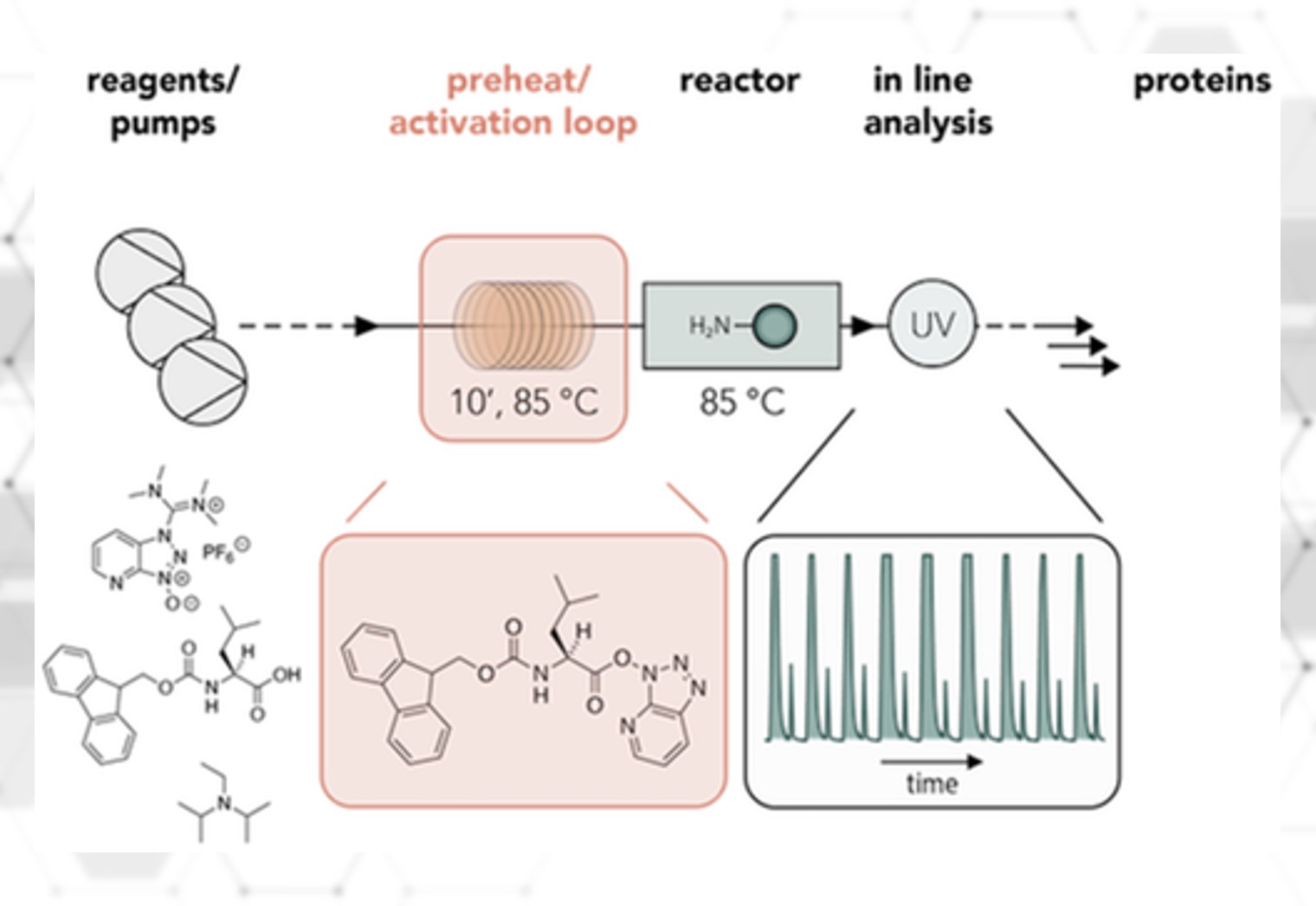
Flow‐based approaches to solid phase peptide synthesis (SPPS) have been pursued since the method's early days, with anticipated gains in...
Bioorthogonal Conjugation
Reflecting recent work in the Salmain lab
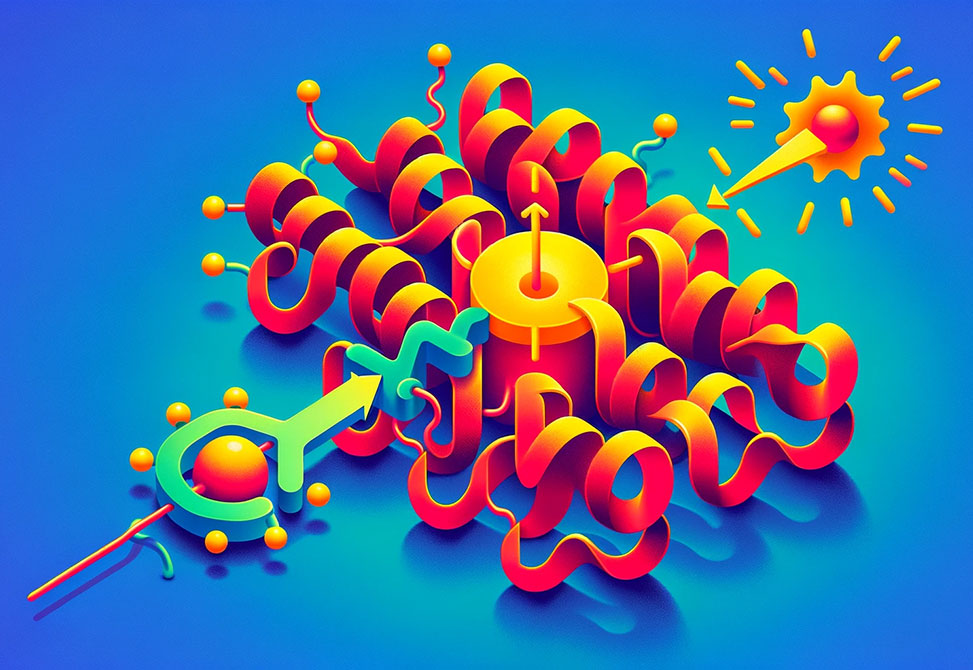
This minireview intends provides an up‐to‐date overview on the various bioorthogonal strategies implemented for the conjugation of transition organometallic entities...
Coronavirus Inhibitors
Reflecting recent work in the Hoffman lab
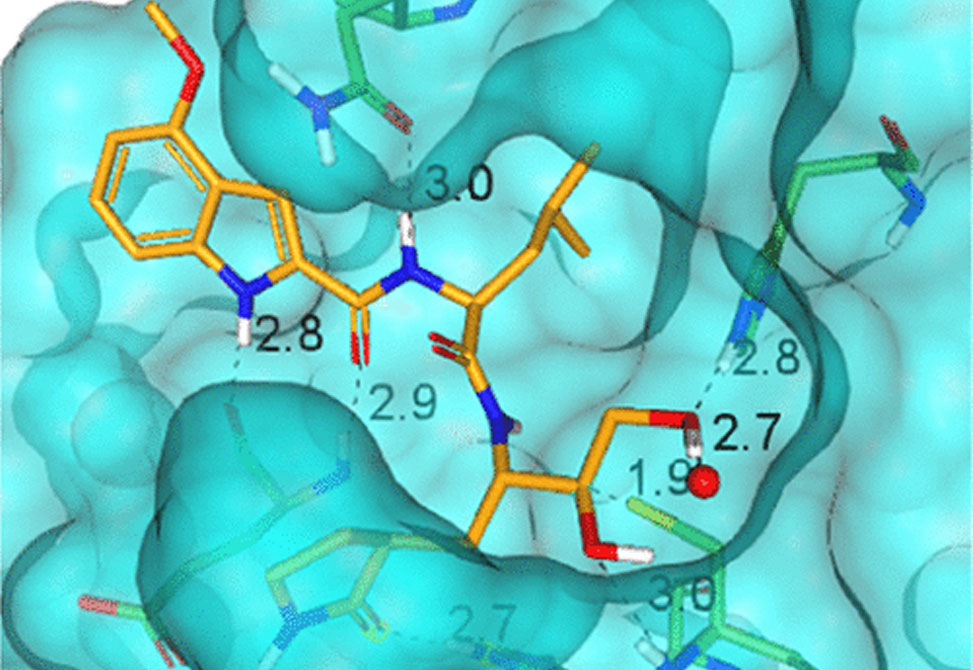
The novel coronavirus disease COVID-19 that emerged in 2019 is caused by the virus SARS CoV-2 and named for its close genetic similarity to SARS CoV-1...
Targeting Malaria

Reflecting recent work in the Kennedy lab
Herein is a review of ongoing research aimed at developing constrained peptides targeting protein-protein interactions pertinent to malaria pathogenesis.
Disrupt Ubiquitination

Reflecting recent work in the Walensky lab
The ubiquitin–proteasome system (UPS) is a highly regulated protein disposal process critical to cell survival. Inhibiting the pathway induces proteotoxic stress and can be an effective cancer treatment.
Cell Permeability

Reflecting recent work in the Verma lab
In a larger collaborative effort, these researchers have combined the strategies to identify the first examples of all-D α-helical stapled and stitched peptides.
Stapled Peptide
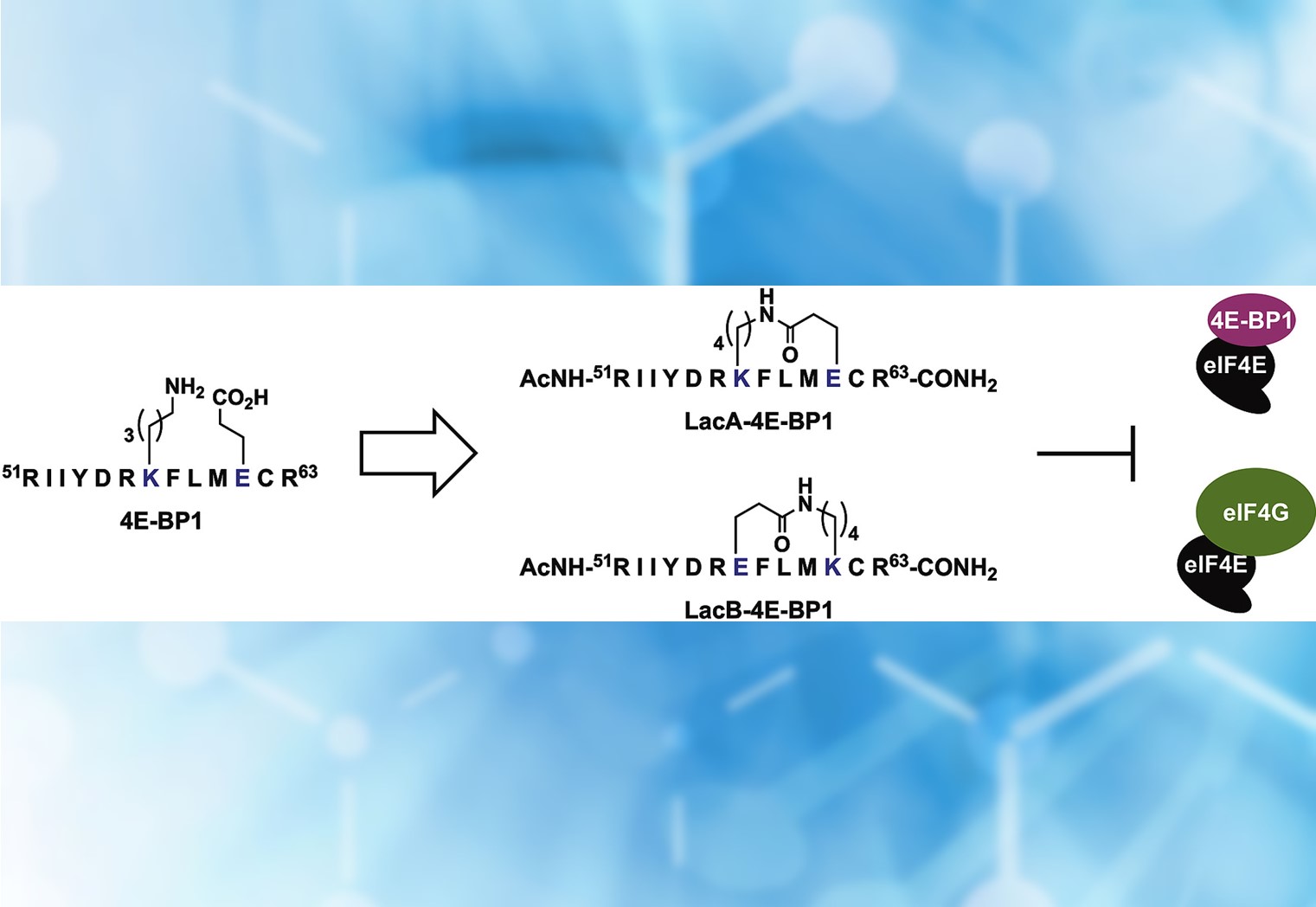
Reflecting recent work in the Garner lab
Eukaryotic translation initiation factor 4E (eIF4E) has emerged as a promising cancer therapeutic target due to its role in the initiation of cap-dependent translation...
Peptide Hydrogels

Reflecting recent work in the Schneider lab
Herein, a noninteracting multiphase molecular assembly approach is developed to crystallize tofacitinib, a potent JAK1/3 inhibitor, within a shearthinning self-assembled fibrillar peptide hydrogel network...
Antimicrobial Peptides

Reflecting recent work in the Church lab
Church et al. report a tunable chemical genetics approach for enhancing genetic code expansion in different wild-type bacterial strains..
Protein Stability

Reflecting recent work in the Chatterjee lab
Abundant n → π* interactions between adjacent backbone carbonyl groups are predicted to play an important role in dictating the structure of proteins...
Modified Amino Acids
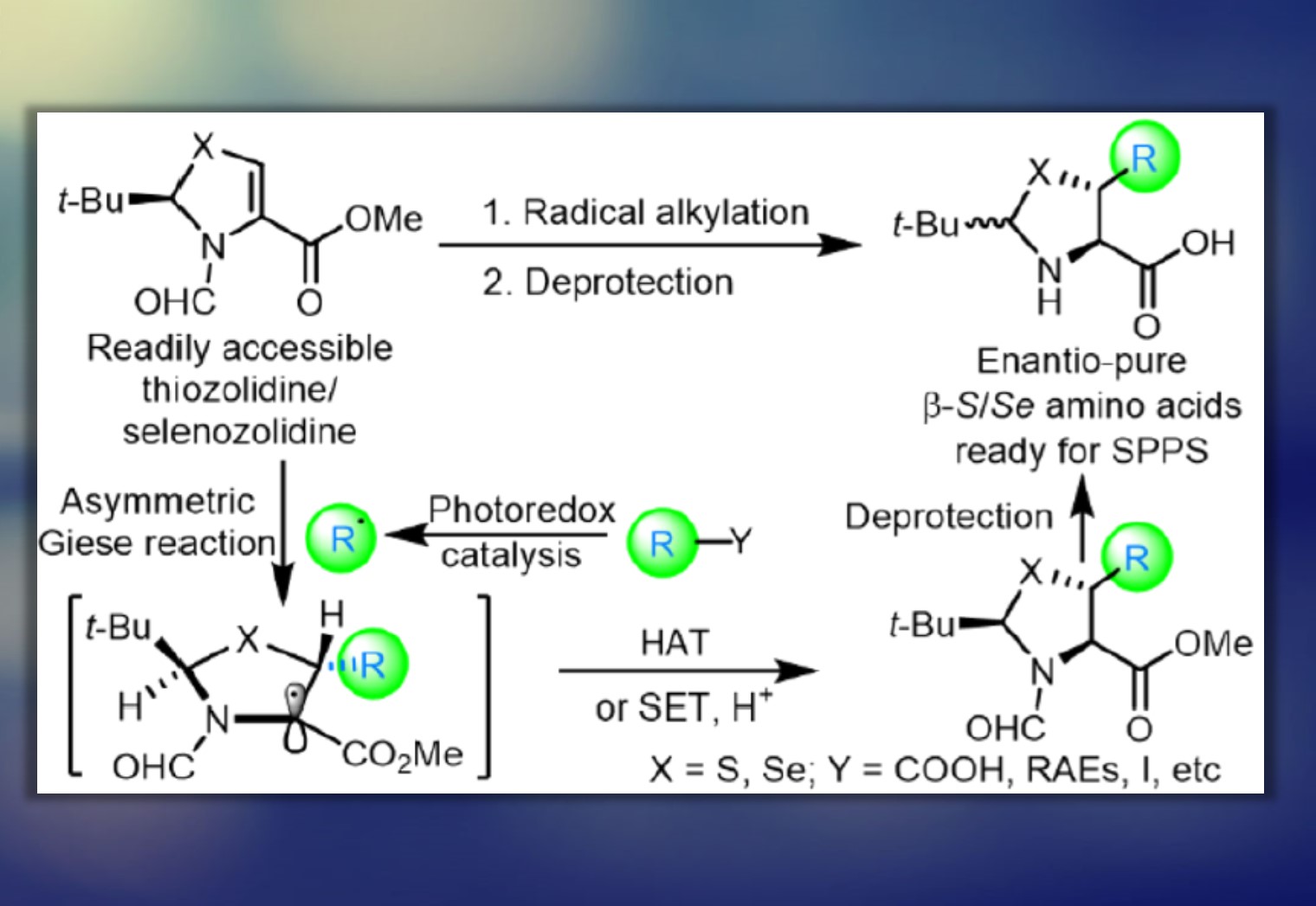
Reflecting recent work in the Wang lab
Herein, Wang et al. present a photoredox-catalyzed asymmetric method for the preparation of enantiopure β-thiolated/selenolated amino acids using a simple chiral auxiliary...
Mapping SARS-CoV-2

Reflecting recent work in the Ng lab
Given the ongoing SARS-CoV-2 pandemic, identification of immunogenic targets against the coronavirus spike glycoprotein will provide crucial advances towards the development of diagnostic tools...
COVID-19 Therapeutics

Reflecting recent work in the Yousef lab
In this review, the researchers summarize peptide and peptide based therapeutics that target one main entry pathway of severe acute respiratory syndrome coronavirus 2 (SARS-CoV-2)...
Tyrosine Sulfation

Reflecting recent work in the Payne lab
Researchers at the University of Sydney have shown that the evasin protein ACA-01 from the Amblyomma cajennense tick can be posttranslationally sulfated at two tyrosine residues...
Micelle-assisted Reactions

Reflecting recent work in the Devaraj lab
This publication shows that micelle-assisted reaction can facilitate native chemical ligations between a peptide-thioester and a Cys-peptide modified by a lipid-like moiety...
Chemical Protein Synthesis

Reflecting recent work in the Mandal lab
Herein is reported an operationally simple method to facilitate chemical protein synthesis by fully convergent and one-pot native chemical ligations...
Targeting GPCRs

Reflecting recent work in the Davenport lab
This recently published review discusses the current status of the peptide drugs targeting G protein-coupled receptors (GPCRs), with a focus on evolving strategies...
β-Turn Mimics

Reflecting recent work in the Thomson lab
Researchers report a simple reductive amination protocol to ligate two peptides, while simultaneously installing a β-turn mimic at the ligation junction...
Fluorescent Peptide

Reflecting recent work in the Nowick lab
Teixobactin is a nonribosomal antibiotic peptide that inhibits the biosynthesis of peptidoglycan and teichoic acid, however, teixobactin’s cellular site of action is unknown...
Constrained Peptides
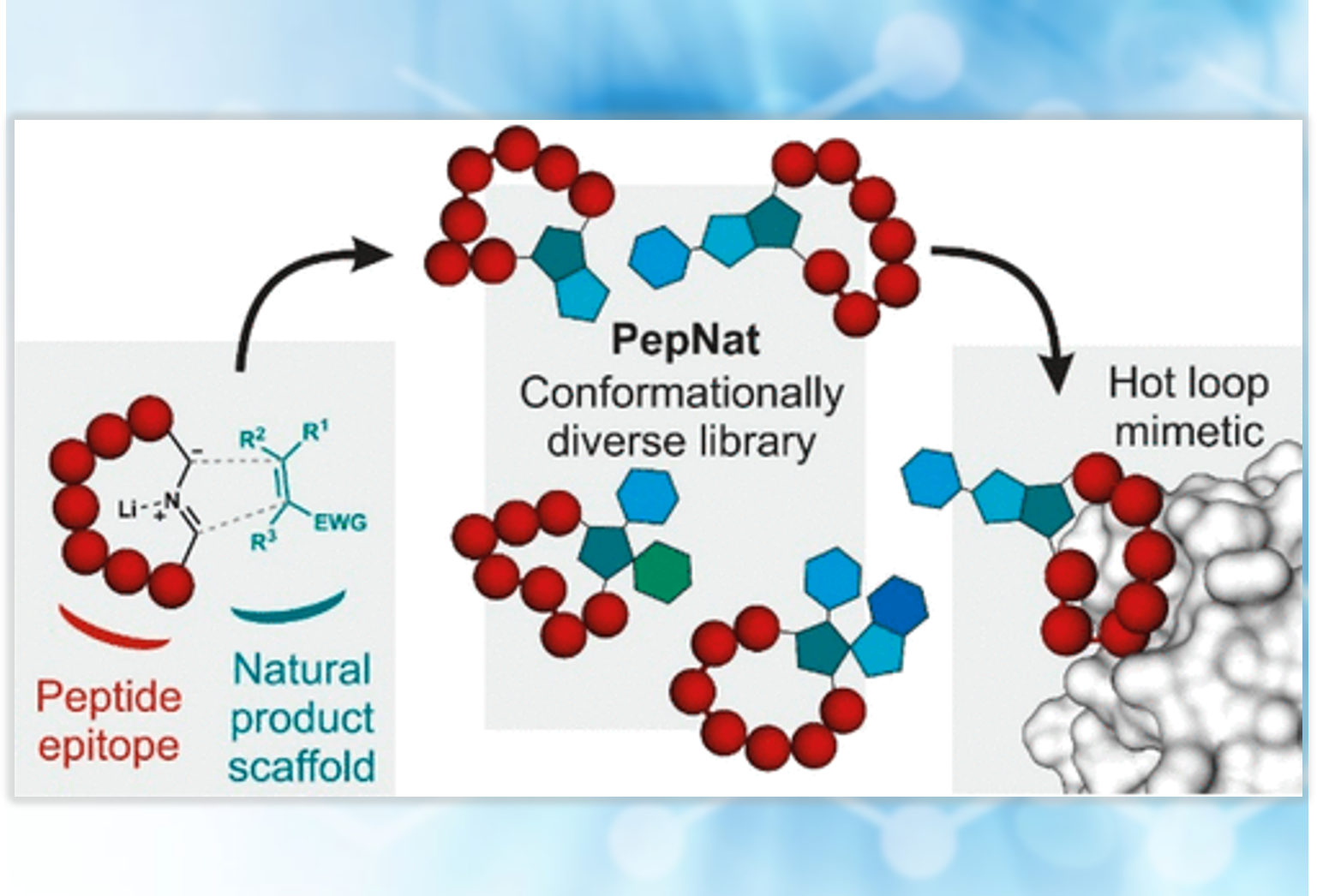
Reflecting recent work in the Waldmann lab
Guéret and colleagues describe a versatile method for inserting chiral motifs between the ends of omega loops. Peptides are synthesized using traditional SPPS...
Coupling Agent Hazards
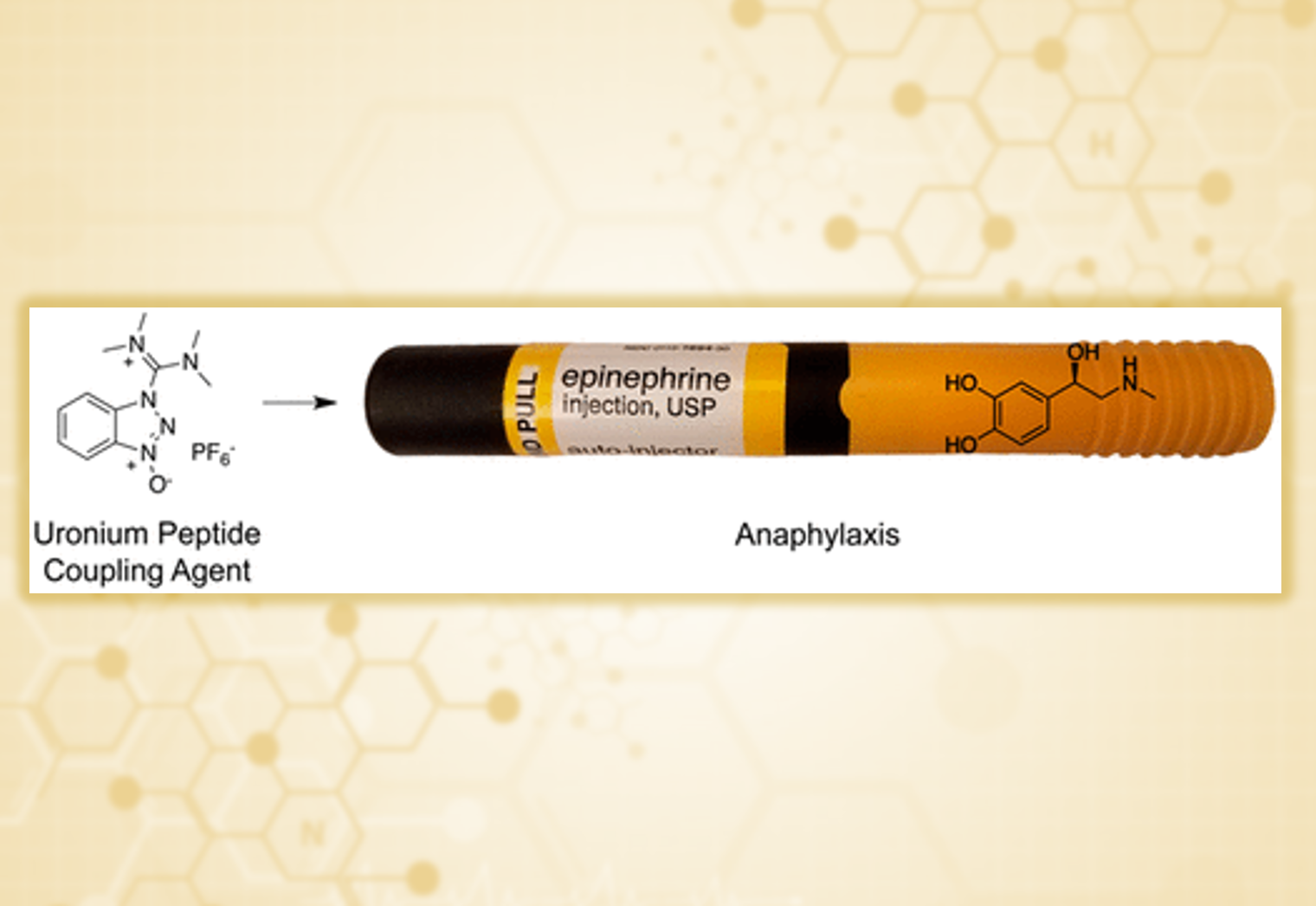
Reflecting recent work in the Nowick lab
This case study of anaphylaxis induced by three uronium coupling agents, HATU, HBTU, and HCTU, is a cautionary note for researchers who handle peptide coupling agents frequently...
Molecular Transporters

Reflecting recent work in the Parang lab
In this collaborative study, researchers have designed a new generation of peptides based on previously designed cyclic cell-penetrating peptides. They have evaluated their cytotoxicity as well as uptake behavior...
C1B1 Inhibition

Reflecting recent work in the Pearce lab
In this recent publication, Puhl et al. have employed random peptide phage display to screen and select peptides that bind to the calcium and integrin binding protein 1 (CIB1)...
Aqueous SPPS

Reflecting recent work in the Kolmar lab
The growing interest in synthetic peptides has prompted the development of viable methods for their sustainable production. Currently, large amounts of toxic solvents are required for peptide assembly...
Cyclotide Uptake

Reflecting recent work in the Wang lab
In this study, the recently developed chloroalkane penetration assay was combined with established assays to characterize the cellular uptake and cytosolic delivery of the prototypic cyclotide, kalata B1...
Cyclotide Production
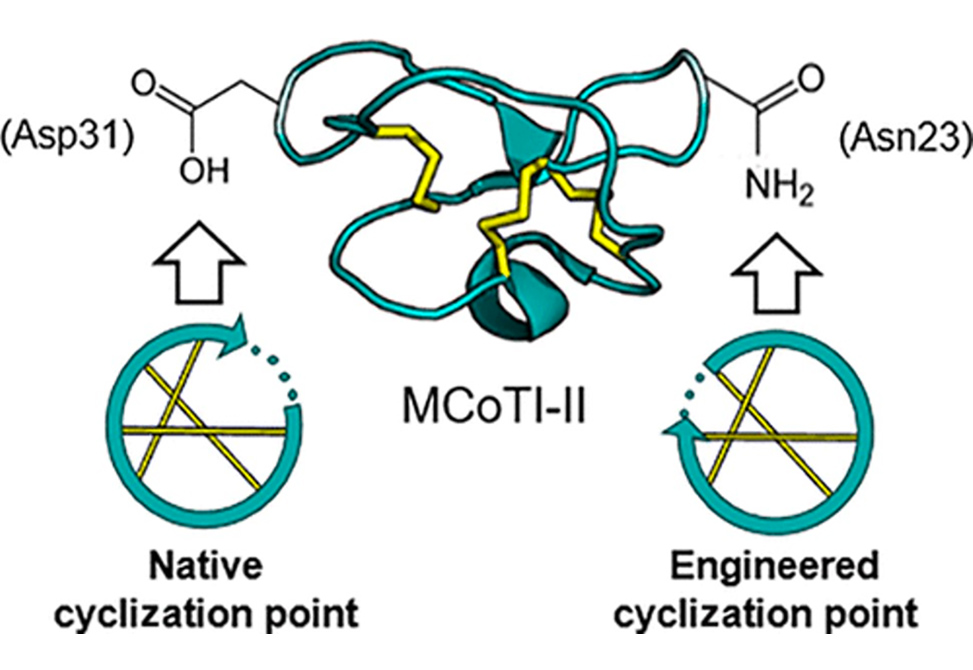
Reflecting recent work in the Craik lab
In this manuscript researchers in Dr. Craik's lab describe a strategy to improve the production of cyclotides, which are usually produced and cyclized synthetically at a high cost and environmental impact for large scale.
Improved Thiol Protection
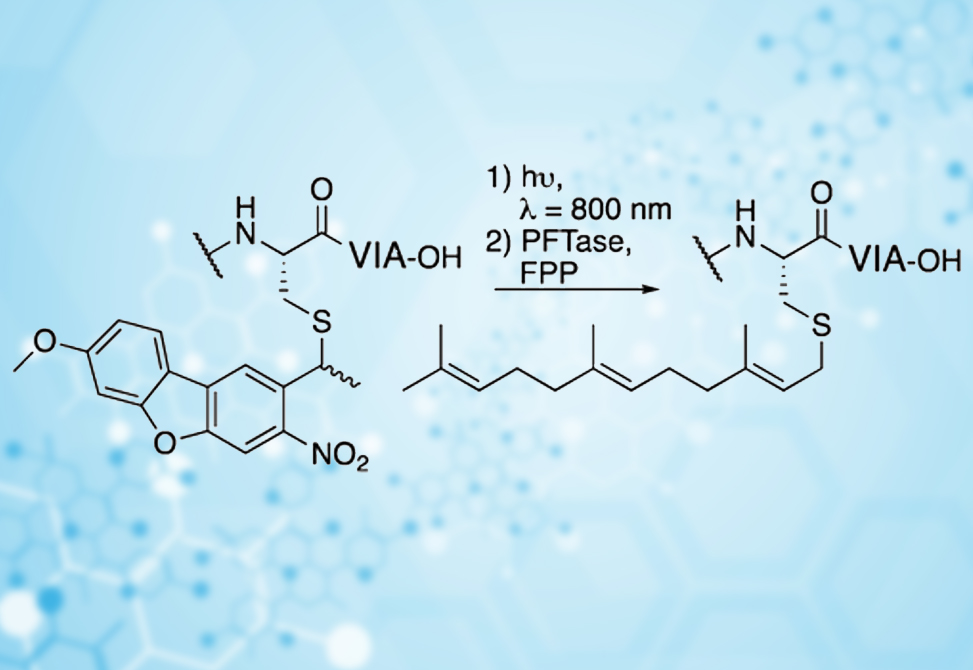
Reflecting recent work in the Distefano lab
Photoremovable caging groups are useful for biological applications because the deprotection process can be initiated by illumination with light without the necessity of adding additional reagents...
Peptide Self Assembly
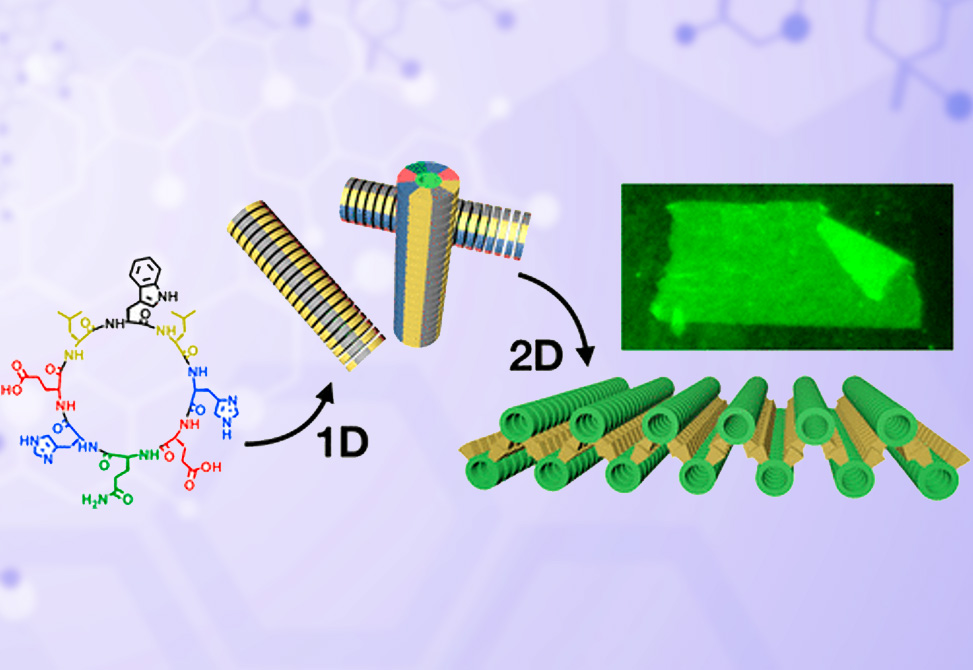
Reflecting recent work in the Montenegro lab
Despite recent developments in two-dimensional self-assembly, most supramolecular 2D materials are assembled by tedious methodologies, with complex surface chemistry and small sizes...
Peptide Mimics

Reflecting recent work in the Liu lab
Peptides have important biological functions. However, their susceptibility to proteolysis limits their applications...
γ-Amino Acids Elongation

Reflecting recent work in the Suga lab
Because γ-amino acids generally undergo rapid self-cyclization upon esterification on the carboxyl group, for example, γ-aminoacyl-tRNA, there are no reports of the ribosomal elongation...
Nanosheet Fabrication
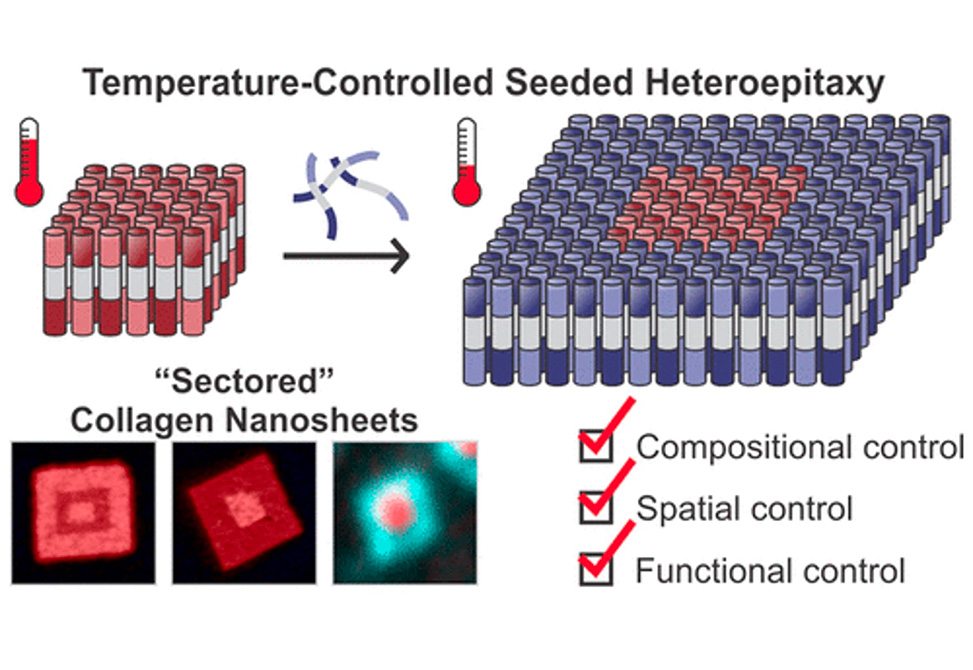
Reflecting recent work in the Conticello lab
Engineering free-standing 2D nanomaterials with compositional, spatial, and functional control across size regimes from the nano- to mesoscale represents a significant challenge....
Hydrophobic Moieties

Reflecting recent work in the Wennemers lab
Trans amide bonds and fast cis–trans isomerization of Xaa-Pro bonds are crucial for the stability and folding rate of collagen, the most abundant protein in mammals...
Platinum Nanoparticles

Reflecting recent work in the Wennemers lab
Hepatocellular carcinoma, HCC, is the sixth most frequent cancer and the second leading cause of death from cancer worldwide. Sorafenib is the most commonly used FDA‐approved systemic...
Ice Nucleators

Reflecting recent work in the Derda lab
In a manuscript published in Langmuir, Yuki Kamijo and Ratmir Derda from the, University of Alberta, describe a screening system that employs the difference...
Ghost Peptides
Reflecting recent work in the Raines lab
A major hurdle in chemical biology is the delivery of native proteins into the cytosol of mammalian cells. Published in ACS Chemical Biology, and presented...
Octreotide Analogs

Reflecting recent work in the Papini lab
Somatostatin, SS, is a cyclic tetradecapeptide able to inhibit the release of growth hormone, GH, mainly through the binding to two G‐protein coupled...
Enzyme Sequestration
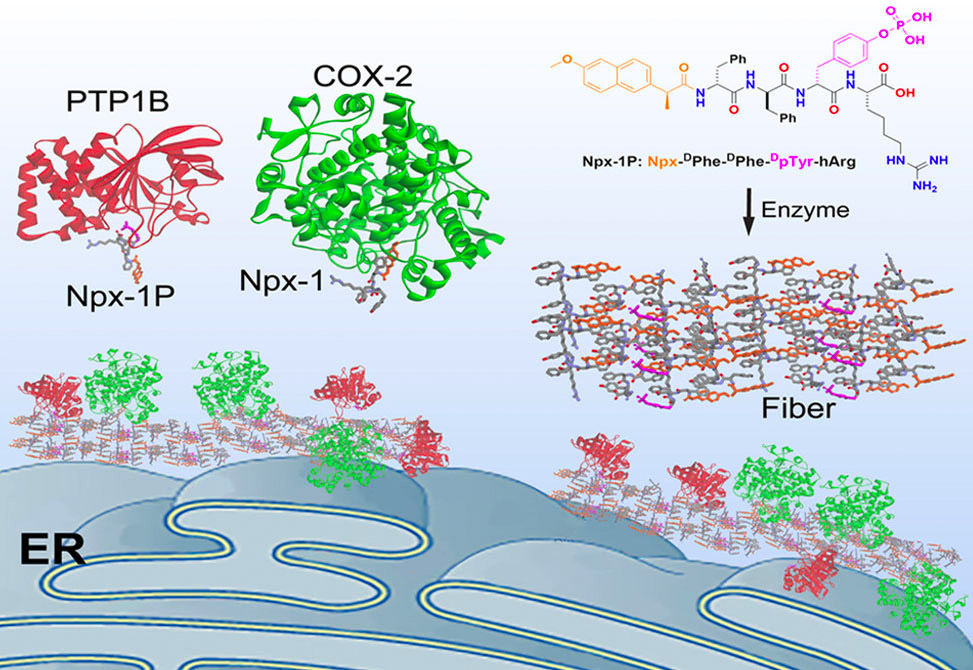
Reflecting recent work in the Xu lab
Liquid-like droplets of biomacromolecules are emerging as a fundamental mechanism of cellular signaling, but designing synthetic mimics to form such...
Short Peptides
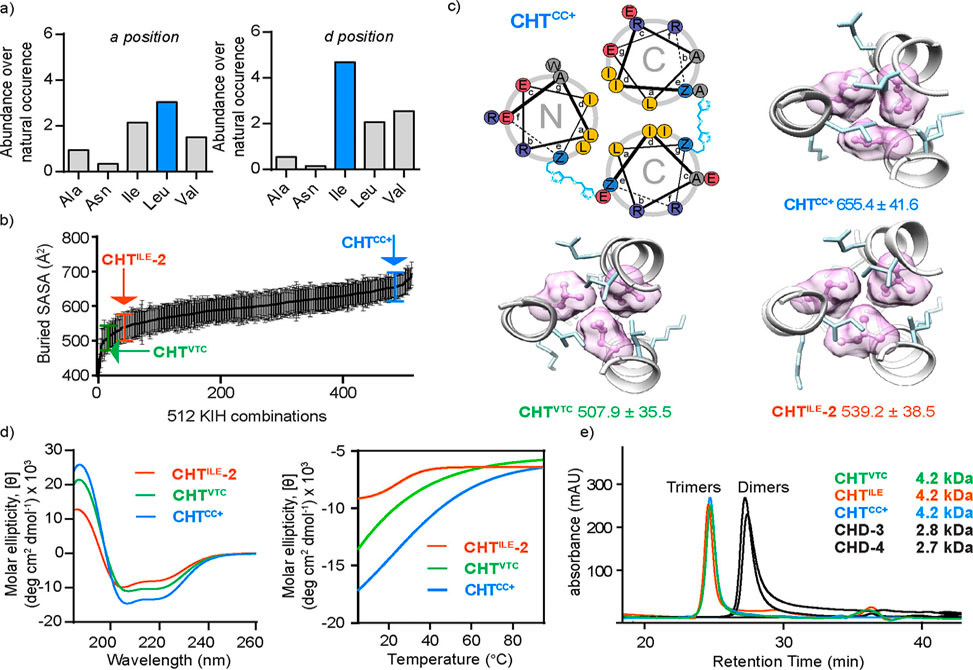
Reflecting recent work in the Arora lab
Helical secondary and tertiary motifs are commonly observed as binding epitopes in natural and engineered protein scaffolds. While several strategies...
Roads to Rome

Reflecting recent work in the Schmidt lab
Ribosomally synthesized and post-translationally modified peptides, RiPPs, are ubiquitous natural products. Bioactive RiPPs are produced from a precursor...
Azapeptide Libraries

Reflecting recent work in the Lubell lab
Aza‐propargylglycine, azaPra, peptides are branching points for the synthesis of azapeptide libraries. Researchers in the Lubell Lab, published in...
Unprotected Peptides

Reflecting recent work in the Yoshiya lab
Ring-closing metathesis, RCM, is an attractive reaction for the preparation of artificially designed peptides. Until now, RCM has been used for fully or partially protected...